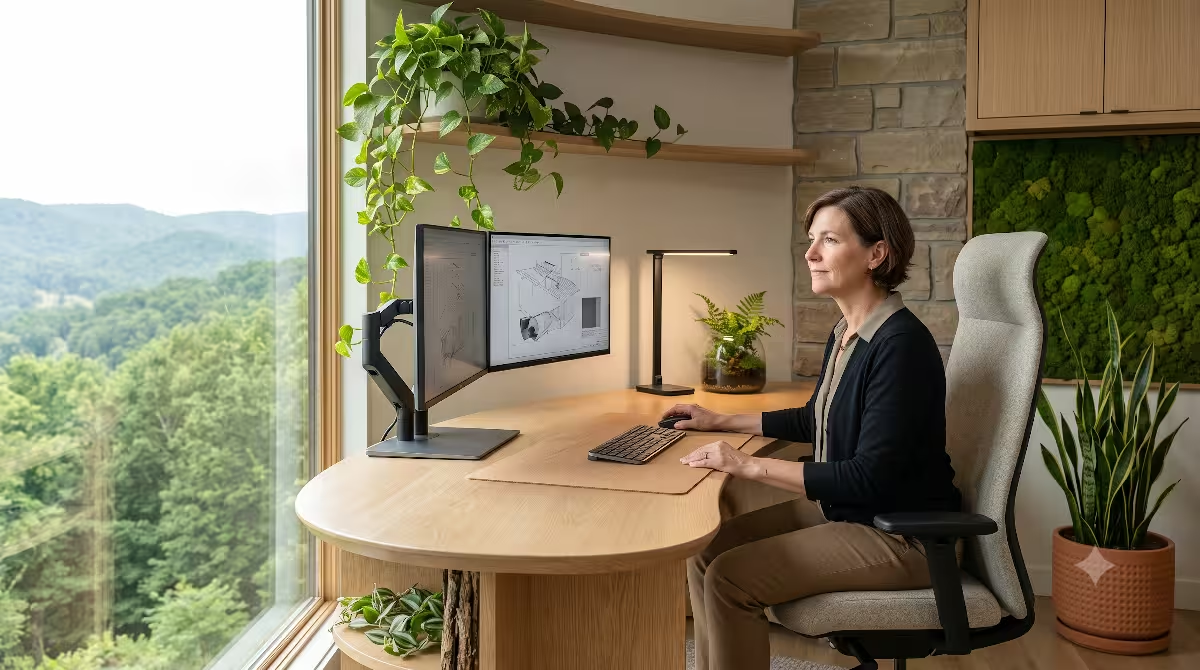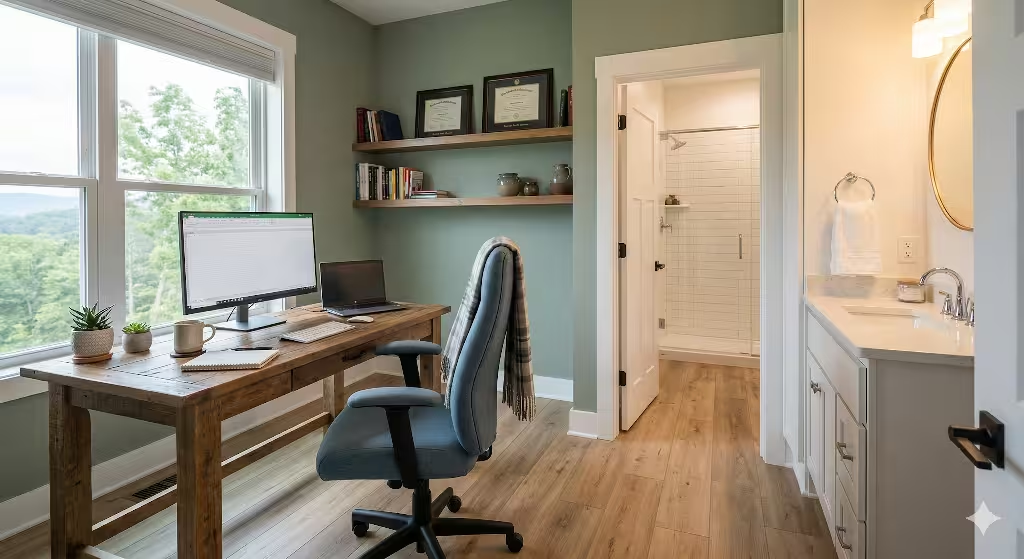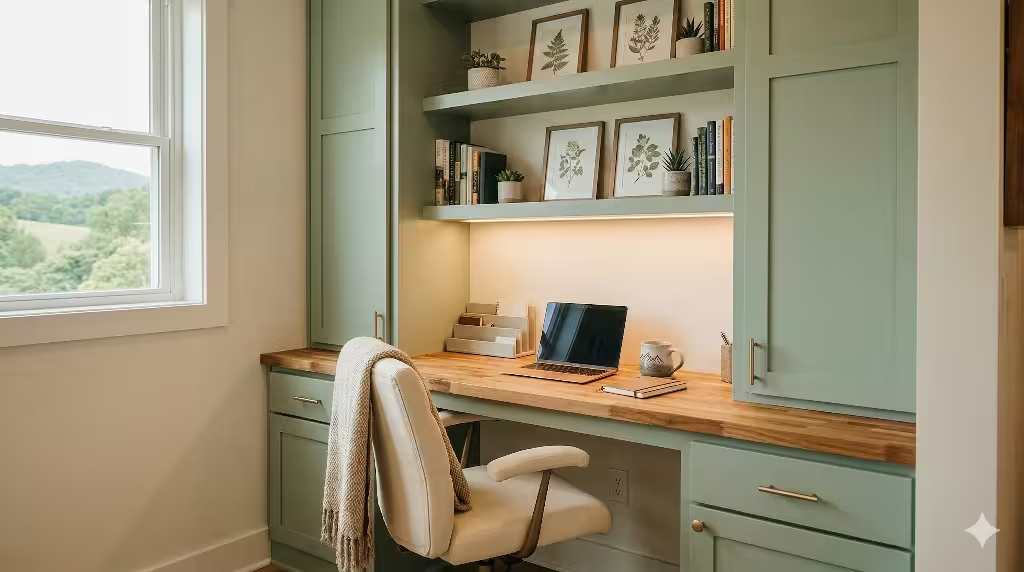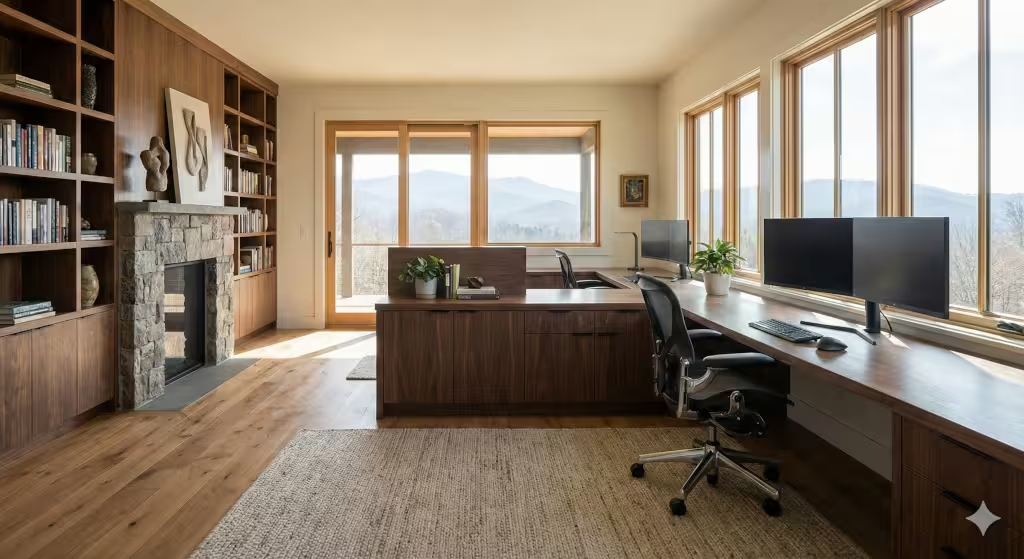


The way we use our homes has fundamentally changed over the last several years. What was once just a place to rest and spend time with family has now also become our school, our gym, and for many, our full-time workplace. The demand for a dedicated workspace, no matter how small, is higher than it has ever been. This is where the concept of the pocket office comes into its own. It’s a compact, highly functional workspace that is cleverly carved out of a home’s existing floor plan.
A successful pocket office is about much more than just putting a small desk in a closet. It’s about smart, intentional design from the ground up. When planned correctly, a pocket office adds immense value and daily utility to a home, creating a dedicated zone for focus and productivity. This guide will walk you through everything you need to know, from the critical planning stages to the inspiring design ideas that can transform any wasted nook into your new favorite spot in the house.
What Exactly is a Pocket Office?
Essentially, a pocket office is a micro-office; a small, dedicated workstation located in a “pocket” of a home that might otherwise go unused. Think of the space under a staircase, a wide hallway, a section of a kitchen, or the classic closet conversion. Its main purpose is to provide a functional spot for work-related tasks, managing household bills, or for children to do their homework, all without requiring a full, separate room.
The key difference between a pocket office and a traditional home office is scale and scope. A dedicated home office is a room with a door, ample space for a large desk, multiple monitors, filing cabinets, and client seating. A pocket office, on the other hand, is defined by its efficiency and integration into another space. It’s for the person who needs a place to concentrate for a few hours a day or a central hub for family organization.
So, why are they so popular right now? The trend is driven by several factors. First, the ongoing rise of remote and hybrid work means more people need a professional-looking and quiet space for video calls and focused tasks. Second, in an age of open floor plans, creating small zones with specific purposes helps to organize our lives and mentally separate work from relaxation. A well-designed pocket office provides a psychological boundary. When you are sitting at that desk, you are working. When you leave it, you are done. This small separation can have a big impact on work-life balance, even if it’s just a few steps away from the living room.
The Foundation: Planning Your Pocket Office Before You Build or Renovate
This is the single most important phase, and it’s where my experience as a builder comes into play. Thinking through the details before the drywall goes up, or before you start a renovation, will save you immense trouble and expense later. A truly great pocket office feels like it was always meant to be there, and that comes from careful planning of its location and, most importantly, its utilities.
Location, Location, Location
Where you decide to place your pocket office will determine how you use it. Each potential location has its own set of benefits and challenges.
- The “Cloffice” (Closet Office): This is the most common approach for a reason. Most homes have an underused closet that can be converted. The biggest advantage is that you can simply close the doors and hide any work-in-progress clutter. The main challenges are often a lack of natural light and poor air circulation, which we will address in the utility section. This is a perfect pocket office solution for those who need to completely disconnect from work at the end of the day.
- The Stair Nook: The awkward, angled space under a staircase is prime real estate for a built-in pocket office. It uses an area that is often difficult to furnish and turns it into a visually interesting and highly functional feature. This option almost always requires custom-built components, like a triangular desk and shelving, to perfectly fit the space.
- The Kitchen Command Center: For many families, the kitchen is the hub of the home. Integrating a small desk area into the cabinetry is a fantastic way to create a central spot for paying bills, sorting mail, managing schedules, or keeping an eye on kids as they do homework. A well-designed kitchen pocket office should feel like a seamless part of the overall kitchen design.
- The Hallway or Landing Hideaway: A wide hallway or an open landing at the top of the stairs can be an excellent spot for a shallow pocket office. The key here is to use furniture and built-ins with a minimal depth to avoid blocking the walkway. Floating desks and wall-mounted shelving are your best friends in this scenario.
Critical Utility Planning (The Builder’s Insight)
This is the part that often gets overlooked in design magazines but is crucial for function. A beautiful pocket office with no power is just a shelf.
- Electrical: Do not rely on a messy and potentially hazardous extension cord. During construction or renovation, plan for electrical outlets to be installed directly into your pocket office space. I recommend a minimum of a quad outlet (four plugs). This gives you enough space for a computer, a monitor, a lamp, and a phone charger without needing a power strip. Think about where your equipment will sit and place the outlets just above the desk surface or discreetly below it for a cleaner look.
- Data: While Wi-Fi is standard everywhere, a hardwired ethernet connection is always faster and more reliable. If you do a lot of video conferencing or handle large file transfers, having a dedicated data port installed in your pocket office is a game-changer. It provides a stable connection that won’t drop during an important meeting, giving you peace of mind.
- Lighting: This is absolutely non-negotiable for a functional and comfortable workspace. A single, dim overhead light will cause eye strain and decrease productivity. A great pocket office lighting plan has three layers:
- Ambient Light: This is the general, overall light for the space. In a closet or nook, this can be a single, bright recessed can light or a stylish flush-mount fixture on the ceiling.
- Task Light: This is focused light directed exactly where you need it for working. The most popular and effective solution is under-cabinet or under-shelf LED strip lighting. It illuminates your entire desk surface without taking up any space. A slim desk lamp can also work well.
- Accent Light: This layer adds style and a softer glow. A pair of small, wall-mounted sconces on either side of the desk can make a pocket office feel more like a custom library nook and less like a closet
- Ventilation: This is especially important if you are converting a closet with a door. A closed-off space with heat-generating electronics like a computer and monitor can get stuffy and warm very quickly. If possible, consider having a transfer grille installed in the door or a small vent connected to the home’s HVAC system to ensure proper air circulation. This keeps you comfortable and is better for your electronics in the long run.
15 Small Pocket Office Design Ideas for Every Style
Now for the fun part. Once you have the location and utilities planned, you can focus on the design. Here are fifteen distinct ideas to inspire your own unique pocket office.
- The Minimalist Modern: This style is all about clean lines and a clutter-free environment. To achieve this look for your pocket office, use a simple floating desk made from a sleek material like white laminate or a light wood veneer. Keep storage to a single floating shelf above the desk for a few essential items. The key is aggressive cable management. Use wall-mounted channels or drill a hole in the desk to feed wires through for an ultra-clean setup.
- The Traditional Built-In: For a timeless and high-end look, a fully custom built-in pocket office is the ultimate solution. This involves cabinetry, shelving, and a desk surface that are all built to match the home’s existing trim, millwork, and style. This approach makes the pocket office feel like an intentional, architectural feature of the house. Integrated lighting and hidden wire management are standard here.
- The Rustic Nook: Create a warm, cozy, and slightly rugged pocket office with a rustic design. The centerpiece is often a thick desk slab made from live-edge wood. Pair this with dark, moody paint colors like navy or charcoal gray on the walls inside the nook. Add industrial touches with metal pipe shelving and accent the space with a comfortable leather stool or chair.
- The Scandinavian Cloffice: This design philosophy is perfect for a small “cloffice” because it emphasizes brightness, simplicity, and natural materials. Use light-colored woods like birch, maple, or pale oak for the desk and shelving. Paint the walls a crisp white to reflect light and make the small space feel larger. A large pegboard wall organizer is a hallmark of this style, providing flexible and visually appealing storage.
- The Industrial Corner: This look takes inspiration from old factories and warehouses. It’s a no-fuss style that is both durable and stylish. A simple desk with a reclaimed wood top and metal legs sets the tone. Use open shelving made from metal pipes and wood planks. An exposed-bulb pendant light or a metal cage sconce provides task lighting and completes the industrial vibe of this pocket office.8
- The Glamorous Hideaway: For a touch of elegance and luxury, design a glamorous pocket office. A great way to do this is by installing an antiqued mirror on the back wall of the nook. This adds depth and reflects light, making the space feel bigger and brighter. Choose a desk with slender, metallic legs in a gold or brass finish. A chic table lamp and a comfortable chair upholstered in velvet or faux fur add the final touch.
- The Color-Pop Surprise: This is a fun and easy way to add personality to your home. Keep the surrounding room in a neutral color palette, but paint the interior walls of your pocket office nook in a bold, vibrant, and unexpected color. A bright yellow, deep teal, or energetic coral can turn a simple workspace into a joyful design statement. When the closet doors are open, it’s a burst of fun. When they are closed, it disappears.
- The Command Center: This pocket office is less about long-form work and more about maximum organization for a busy family. The entire back wall is a functional surface. Install a large corkboard for pinning up schedules and reminders, a magnetic whiteboard for notes and lists, and wall-mounted file slots for mail, homework, and important documents. The desk surface itself can be narrower, as it’s mainly for short tasks.
- The Under-Stair Triangle: This pocket office design is entirely dictated by its unique shape. It requires custom-cut components to be truly successful. A triangular desk fits perfectly into the deepest corner under the stairs. Follow the angle of the staircase with a series of floating shelves that get progressively smaller as they go up. This creates a striking geometric look that is both beautiful and functional.
- The Murphy Desk: If you are extremely short on space, a Murphy-style fold-down desk is an ingenious solution. These units are mounted to the wall and look like a shallow cabinet when closed. When you need to work, you simply fold the front panel down, and it becomes your desk surface. Many models even have small shelves and cubbies inside. This gives you a functional pocket office that has almost zero footprint when not in use.
- The Double-Duty Laundry Room: Modern front-loading washers and dryers make it easy to install a solid countertop across the top of them. This creates a perfect surface for folding clothes and, with a comfortable stool, doubles as a spacious desk. The laundry room is often a quiet, low-traffic area, making it a surprisingly effective location for a pocket office where you can focus without interruption.
- The Bookshelf Office: Integrate your workspace seamlessly into a living room or study by building it into a larger wall of bookshelves. Instead of one of the middle shelves, install a deeper desktop surface at the proper height. This makes your pocket office feel like part of the furniture. You can even install a pull-out keyboard tray to keep the surface clear when you are not working.
- The Vertical Vision: When your floor space is limited, the only way to go is up. This design focuses on drawing the eye upward to create a sense of height and provide maximum storage. Install shelving that goes from the desk surface all the way to the ceiling. This provides ample space for books, binders, and decorative items. This approach to a pocket office makes a strong visual statement.
- The Concealed Workspace: The beauty of many pocket office locations is the ability to hide them. This is crucial for maintaining a tidy look in an open-plan home. You can use a pair of classic bifold doors, a trendy sliding barn door that adds rustic charm, or even a simple, heavy curtain on a ceiling-mounted track to conceal the entire workspace when your day is done.
- The Window Nook: If you are lucky enough to have a small, secondary window in a room, don’t cover it up with a bulky piece of furniture. Instead, build a shallow desk directly in front of it. This creates a pocket office that is flooded with natural light, which is proven to boost mood and productivity. The view outside provides a welcome break for your eyes during a long workday.
Answering Your Top Questions

When homeowners are considering adding a pocket office, they often have a few key questions. Here are detailed answers to the most common ones.
How do you make a small pocket office functional?
Functionality in a tiny space comes down to smart choices. First, prioritize ergonomics. Your desk should be at a comfortable height, typically 29-30 inches from the floor, and you need to have enough clear space for your knees. Second, think vertically for storage. Wall-mounted shelves, cabinets, and organizers keep your desk surface free. Third, integrated lighting is essential. As we discussed, under-shelf LED lighting is far more effective and space-saving than a bulky desk lamp. Finally, choose technology wisely. An all-in-one printer and scanner combo, or a laptop connected to a wall-mounted monitor, can save a significant amount of desk space in your pocket office.
What is the minimum size for a pocket office?
From a practical, building-code standpoint, there is no official minimum size. However, for a pocket office to be comfortable and usable, you need to follow some ergonomic guidelines. I recommend a minimum width of 30 inches, with 36 inches being much more comfortable. This gives you enough elbow room to type and use a mouse. For depth, the absolute minimum is about 20 inches, which is enough for a laptop. A depth of 24 inches is much better, as it allows you to have a laptop and a separate keyboard or space to write in a notebook. Any smaller, and the space functions more like a charging station than a true pocket office.
How do you hide a desk in a small space?
Hiding your work is one of the main appeals of a pocket office, especially a cloffice. There are several effective ways to do it. Standard closet doors, whether bifold or sliding, are the most common and completely conceal the space. A sliding barn door is a more stylish option that adds a design element to the room, but be aware that it needs clear wall space to slide onto. For a softer and more affordable solution, a heavy fabric curtain on a ceiling-mounted track can hide the nook while adding texture and color to the room. Lastly, you can choose furniture with a built-in hideaway function, like a classic secretary desk.
Is a pocket office a good idea?
For most homes, the answer is a resounding yes. The pros are significant. A pocket office is incredibly space-efficient, adds valuable functionality to your home, creates a much-needed designated zone for work or study, and can even increase your home’s appeal to future buyers. The cons, however, are worth considering. A small pocket office can feel cramped if not designed properly with good lighting and organization. Depending on its location, it may lack privacy for important phone calls, and it requires you to be disciplined about keeping it tidy to prevent clutter from spilling into the main living area.
Conclusion: A Small Space with a Big Impact
In today’s world, a home needs to be more flexible than ever. The pocket office is a brilliant solution to the modern need for a dedicated workspace, proving that you don’t need a spare room to be productive. A well-designed pocket office is a strategic and valuable addition to any home, providing a powerful combination of functionality and clever design. It’s a small space that makes a big impact on your daily life.
My final piece of advice is to plan ahead. Whether you are building a new custom home in Johnson City or renovating a classic house in Kingsport, think about these small but crucial details early in the process. Discuss the electrical and lighting needs with your builder or electrician before the walls are closed up. That forethought is the true key to transforming a simple nook into a seamless, stylish, and highly productive pocket office that you will appreciate for years to come.