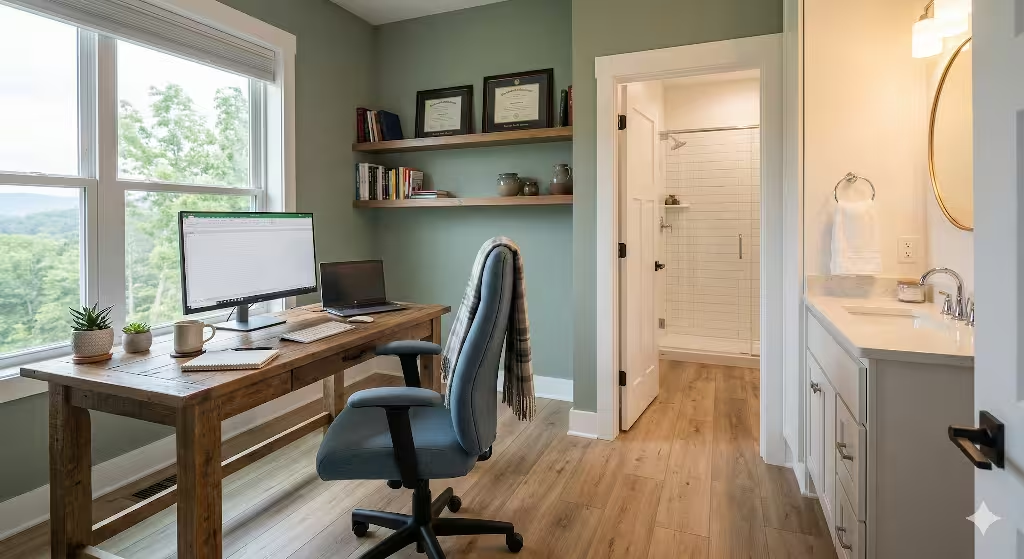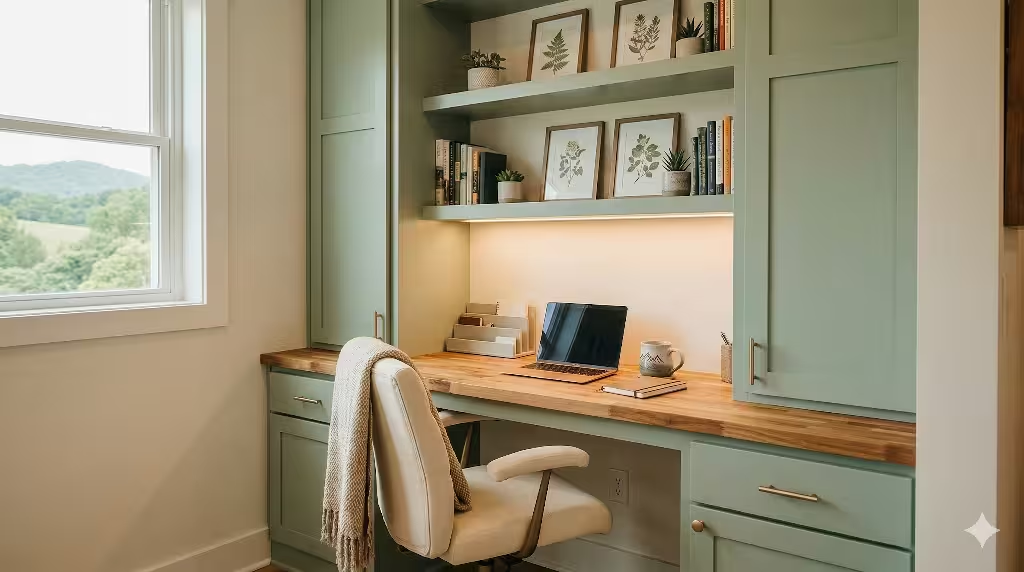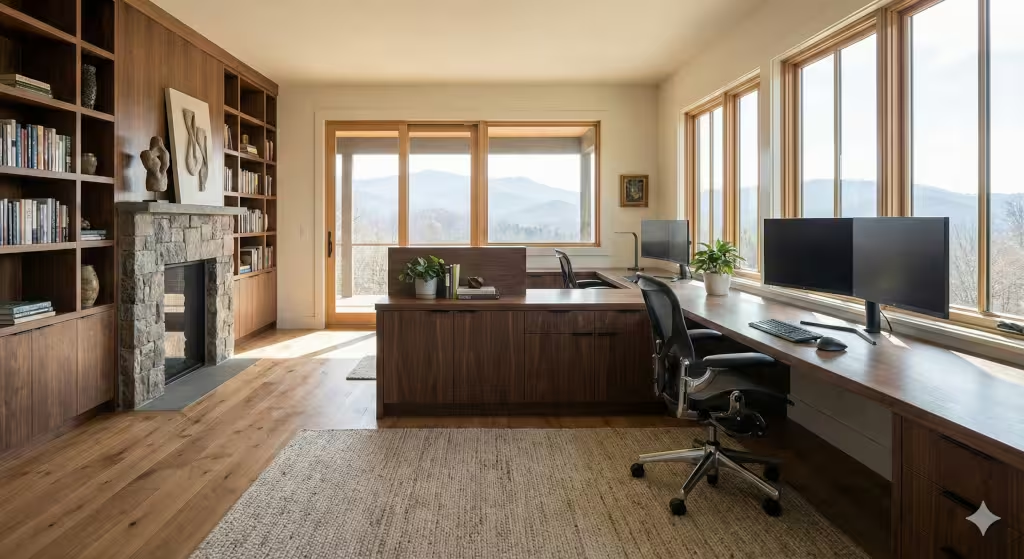

Today, remote-working women face a unique mix of professional demands and household responsibilities. Designing a healthy home office flow goes far beyond placing a plant on a desk. It requires an engineered indoor setup that supports your nervous system, lowers stress hormones, and keeps your mind clear during long workdays.
+-----------------------------------------------------------------------+
|                    THE TRI-ZONE HOME OFFICE FLOW                      |
+-----------------------------------------------------------------------+
|  [TRANSITION ZONE]  --->  [FOCUS ZONE]       --->  [REFUGE ZONE]      |
|  Entryway / Buffer        Primary Desk Anchor      Restorative Nook   |
|  Noise control            Solar azimuth alignment  Soft fascination   |
|  Work-life boundary       Prospect-refuge view     Cognitive recovery |
+-----------------------------------------------------------------------+
Our region in East Tennessee provides ideal natural elements for this work. The Tri-Cities region, including Johnson City, Kingsport, and Bristol, sits within the Southern Appalachian ridge and valley landscape. We are surrounded by lush forests, rolling hills, and distinct seasonal light patterns. This regional environment gives us a rich set of natural tools to build a great home office flow. When you align your indoor workspace with the outside environment, your body responds naturally. Your heart rate stabilizes, your focus improves, and your workday feels more manageable.
A well-designed home office flow balances three main elements. First, it organizes physical movement so you can transition smoothly between tasks. Second, it shapes sightlines so your eyes can rest on natural views. Third, it manages air, light, and natural materials to keep your energy steady. For remote-working women in the Tri-Cities, establishing a balanced home office flow protects against mental exhaustion. It turns an ordinary room into an inspiring personal space that nurtures health and productivity.
Spatial Mechanics and Spatial Flow: The Tri-Zone Layout Model

To build an effective home office flow, we must look closely at spatial mechanics. In design terms, spatial mechanics refers to how physical structures affect human movement, sensory experience, and mental focus. A smooth home office flow prevents physical bottlenecks and visual distractions. It allows you to shift from deep analytical tasks to creative thinking without breaking concentration.
+-------------------------------------------------------------------------+
|                  TRI-ZONE SPATIAL RELATIONSHIP MATRIX                   |
+-------------------------------------------------------------------------+
| Zone            | Key Function              | Core Biophilic Element    |
+-----------------+---------------------------+---------------------------+
| Focus Zone      | Deep work, calls, computer| Prospect-refuge layout    |
| Refuge Zone     | Reading, break, recovery  | Non-rhythmic movement     |
| Transition Zone | Entry, exit, work boundary| Physical boundary controls|
+-----------------+---------------------------+---------------------------+
For remote-working women, home spaces often serve multiple roles at once. Without clear physical boundaries, work stress bleeds into daily personal life. We solve this problem by organizing your workspace around the Tri-Zone Layout Model. This model establishes three distinct areas within your office to reinforce a healthy home office flow.
1. The Focus Zone (The Spatial Anchor)
The Focus Zone is the main engine of your daily work routine. It holds your primary desk, computer screens, and task tools. To optimize your home office flow in this zone, we apply the Prospect-Refuge Theory. This psychological concept shows that humans feel most comfortable when they have a secure back (refuge) and an open view ahead (prospect).
- Place your desk so your back faces a solid wall rather than an open door or a high-traffic hallway.
- Angle your primary screen perpendicular to nearby windows. This arrangement preserves outdoor views while blocking harsh screen glare.
- Keep essential work tools within easy arm reach to maintain a steady home office flow during busy hours.
When your body feels secure in its physical space, your brain releases less cortisol. You can direct your full mental energy toward your professional goals.
2. The Refuge Zone (The Restorative Nook)
Continuous screen focus drains your mental energy over time. A successful home office flow requires a dedicated place to recharge without leaving the room. The Refuge Zone is a quiet corner fitted with a comfortable armchair, a small side table, and direct access to soft natural elements.
- Use this area for reading printed documents, taking phone calls, or practicing short breathing exercises.
- Position this zone near natural indoor greenery or a window overlooking outdoor gardens.
- Avoid placing digital screens or work files in this area so your mind recognizes it as a place of rest.
Stepping into the Refuge Zone for even five minutes creates a mental break. This small pause resets your attention and keeps your home office flow balanced throughout the day.
3. The Transition Zone (Boundary Control)
The Transition Zone acts as a physical buffer between your work life and your domestic life. In many Tri-Cities homes, home offices open directly into bedrooms, kitchens, or living rooms. This arrangement disrupts your home office flow by introducing household distractions.
- Use architectural items like sliding wooden panels, fabric curtains, or tall bookshelf units to mark the entrance.
- Set up a small table near the doorway to store your work keys, notebooks, and devices at the end of the day.
- Create a simple end-of-day routine in this zone to signal that your professional responsibilities are finished.
By establishing a clear physical threshold, you protect your personal living spaces from work-related stress. This intentional layout builds a supportive home office flow that honors both your career and your home life.
Biomorphic Forms and Regional Tactile Materiality
The materials and shapes inside your workspace directly influence how you feel while working. Modern homes often rely on synthetic plastics, metal alloys, and sharp rectangular angles. These cold surfaces can trigger mild stress responses over time. Incorporating natural shapes and regional materials restores balance to your home office flow.
+-------------------------------------------------------------------------+
|                  APPALACHIAN MATERIAL SPECIFICATIONS                    |
+-------------------------------------------------------------------------+
| Material        | Regional Source           | Biophilic Benefit         |
+-----------------+---------------------------+---------------------------+
| White Oak       | East Tennessee Forests    | Tactile warmth, low VOCs  |
| Black Walnut    | Local Sustainable Mills   | Deep tones, sensory grounding
| TN Limestone    | Regional Quarries         | Acoustic mass, thermal stability
+-----------------+---------------------------+---------------------------+
Biomorphic design uses shapes, curves, and patterns patterned after natural structures. When we bring these organic curves into furniture and room trim, the nervous system settles. Smooth, rounded edges feel safer and more inviting than sharp corners, helping maintain a calm home office flow.
Utilizing Local Appalachian Hardwoods
The forests surrounding Johnson City, Kingsport, and Bristol produce some of the finest hardwoods in North America. Using local timber supports our regional economy while bringing natural beauty indoors.
- White Oak (Quercus alba): White oak offers clean grain patterns and light golden tones. A custom solid oak desk creates a sturdy, smooth writing surface that elevates your home office flow.
- Black Walnut (Juglans nigra): Black walnut provides rich dark brown colors with unique grain figures. Using walnut for shelving or accent trims adds visual depth to your working environment.
Unvarnished or low-VOC oil finishes allow you to feel the true texture of the wood grain. Touching real wood surfaces lowers heart rate and supports a peaceful home office flow.
Integrating Local Stone Elements
East Tennessee limestone and sandstone offer rich textures and excellent acoustic properties. Hard wall surfaces often bounce sound around the room, causing acoustic strain during video calls. Placing a natural stone feature wall or a small desktop stone display absorbs harsh sound waves.
The weight and cool texture of natural stone provide a sensory anchor. This physical grounding reinforces an easy, steady home office flow throughout a long workday.
Applying Curved Geometries
Sharp 90-degree angles rarely exist in natural environments. Replacing boxy furniture with gently curved pieces creates a softer visual atmosphere.
Linear & Boxy Furniture Shape    --> Higher visual tension & stress
Soft Biomorphic Curved Shapes  --> Lower sympathetic nervous system activity
Select desks with contoured front edges, chairs with rounded backs, and soft oval rugs. These natural shapes guide your eye gently through the room, reinforcing an uninterrupted home office flow.
Dynamic Lighting and Appalachian Solar Alignment
Light controls human circadian rhythms, energy levels, and sleep patterns. In East Tennessee, our mountain terrain and seasonal light shifts shape how natural light enters our homes. A well-designed home office flow uses both sunlight and supportive electric lighting to keep your energy consistent.
+-------------------------------------------------------------------------+
|                   CIRCADIAN LIGHTING TIMELINE (2700K-6500K)             |
+-------------------------------------------------------------------------+
| Time of Day   | Color Temperature | Intensity   | Biological Goal       |
+---------------+-------------------+-------------+-----------------------+
| 8:00 AM       | 4000K - 5000K     | High        | Suppress melatonin    |
| 12:00 PM      | 5000K - 6500K     | Peak        | Maximum alertness     |
| 3:00 PM       | 3500K - 4000K     | Medium      | Sustained focus       |
| 5:00 PM       | 2700K - 3000K     | Soft/Low    | Prepare for rest      |
+---------------+-------------------+-------------+-----------------------+
Harnessing Natural Daylight
Sunlight is the most effective natural driver of healthy circadian function. Aligning your workspace with local solar patterns enhances your daily home office flow.
- East-Facing Windows: Morning sunlight provides bright, blue-enriched light that stops melatonin production and wakes up your brain. Placing your desk near an east-facing view gives you an energetic start to the workday.
- South-Facing Windows: South-facing openings offer steady, balanced light throughout the afternoon. Use sheer linen curtains to soften direct glare while keeping your space bright.
- North-Facing Windows: North light stays cool and even all day. It works well for creative tasks, reading, and detail-oriented work.
Positioning your desk to make the most of natural daylight keeps your home office flow aligned with natural biological rhythms.
Smart LED Lighting and Color Temperature
When natural light falls short, dynamic electric lighting bridges the gap. Modern smart LED systems can adjust color temperature across the day to match natural sun patterns, preserving your home office flow.
- Morning (8:00 AM – 11:00 AM): Set light fixtures to a cool 4000K-5000K range to boost alertness and mental clarity.
- Midday (11:00 AM – 3:00 PM): Keep light output bright at 5000K-6500K to support deep focus during peak work hours.
- Late Afternoon (3:00 PM – 5:00 PM): Lower color temperature down to a warm 2700K-3000K. This signals to your brain that the workday is winding down, ensuring a smooth transition out of your home office flow.
Preventing Visual Glare
Direct glare on monitors causes eye strain, headaches, and physical fatigue. These issues interrupt your focus and damage your daily home office flow.
- Angle screens 90 degrees away from large glass windows.
- Use matte display screen protectors to catch stray light reflections.
- Install adjustable desktop task lights with diffused covers so light spreads evenly across your work area.
Botanical Selection and Air Quality for Tri-Cities Micro-Climates
Indoor plants play a central functional role in a healthy workspace. They clean the air, balance room humidity, reduce room noise, and provide continuous visual connection to nature. Choosing the right plant species ensures your green additions thrive and support a steady home office flow year-round.
+-------------------------------------------------------------------------+
|                     BOTANICAL SELECTION MATRIX                          |
+-------------------------------------------------------------------------+
| Plant Species     | Ideal Location    | Functional Purpose              |
+-------------------+-------------------+---------------------------------+
| Golden Pothos     | High Shelving     | VOC filtration, cascading green |
| Snake Plant       | Floor/Corner      | Nighttime O2, structural height |
| Christmas Fern    | Desk/Side Table   | Regional touch, moisture control|
| Sheet Moss Wall   | Reflection Wall   | Acoustic damping, visual depth  |
+-------------------+-------------------+---------------------------------+
Our region experiences hot, humid summers and cool, dry winters. This seasonal variation alters indoor air quality and humidity levels. Selecting adaptable indoor plants stabilizes your indoor micro-climate and keeps your home office flow performing at its best.
High-Performance Air Purifying Plants
indoor air can trap airborne dust, volatile organic compounds (VOCs) from synthetic furnishings, and excess carbon dioxide. Poor indoor air triggers fatigue and brain fog, slowing down your home office flow.
- Golden Pothos (Epipremnum aureum): Pothos grows quickly and handles variable light levels with ease. It removes formaldehyde and benzene from indoor air. Hang pothos on high shelves so its leafy vines cascade downward, creating a relaxing green canopy above your work zone.
- Snake Plant (Sansevieria trifasciata): Snake plants feature bold, vertical leaves that fit neatly into tight office corners. They absorb carbon dioxide and release fresh oxygen continuously, keeping your air crisp and supporting your home office flow.
Bringing Native Appalachian Flora Indoors
Adding native plant species strengthens your local connection to the surrounding East Tennessee landscape. This sense of place, known as topophilia, helps establish a deeply relaxing home office flow.
- Christmas Fern (Polystichum acrostichoides): This native fern features rich green fronds that retain their color all year long. Place it on a desk corner or side table away from direct sunlight.
- Maidenhair Fern (Adiantum pedatum): Maidenhair ferns feature delicate leaf patterns and thin dark stems. They thrive in small terrariums or near gentle room humidifiers, adding refined detail to your desktop environment.
Acoustic Management Using Vertical Moss Walls
Hard drywall surfaces easily bounce noise around an office, disrupting video calls and breaking concentration. Preserved vertical moss walls offer a stylish, space-saving solution that boosts your home office flow.
Hard Flat Drywall  --> Bounces sound waves --> Distracting echoes on calls
Preserved Moss Wall --> Absorbs sound frequencies --> Clear, calm acoustics
Panels made from preserved sheet moss or Sphagnum moss absorb high-frequency sound waves. Mounting a moss wall behind your computer monitor provides a soft acoustic backing and a stunning visual focal point.
Frequently Asked Questions about Home Office Flow
To build a comprehensive resource, we must answer common questions about workspace optimization. Here are clear, practical answers that address real-world home office flow challenges.
+-------------------------------------------------------------------------+
|                       FREQUENTLY ASKED QUESTIONS                        |
+-------------------------------------------------------------------------+
| Q: What are the core principles of biophilic design?                    |
| A: Direct nature, indirect nature, and spatial conditions.              |
|                                                                         |
| Q: How does layout reduce stress for remote-working women?              |
| A: By lowering cortisol and HRV through continuous sensory contact.     |
|                                                                         |
| Q: How can I implement biophilic flow on a budget?                      |
| A: Rearrange daylight, use clay pots, and collect natural elements.     |
+-------------------------------------------------------------------------+
What are the core principles of biophilic home office design?
Biophilic home office design centers on three core pillars: direct connection to nature, indirect connection to nature, and natural spatial conditions.
- Direct connections include real sunlight, fresh airflow, live plants, and water features.
- Indirect connections involve natural wood materials, stone textures, earth color palettes, and curved biomorphic shapes.
- Spatial conditions focus on creating open view sightlines (prospect) alongside secure, cozy seating areas (refuge).
Integrating these three elements establishes an organized, health-focused home office flow that supports deep focus and daily emotional balance.
How does a biophilic home office layout improve productivity and reduce stress for women working remotely?
A biophilic workspace layout lowers physiological stress by reducing sympathetic nervous system activity. Looking at natural greenery, feeling natural wood textures, and receiving balanced sunlight lowers heart rate variability and cortisol levels.
For remote-working women balancing complex schedules, this continuous connection to natural elements reduces brain fatigue. A stress-free environment leads to better creative problem-solving, improved memory recall, and a consistent, productive home office flow throughout the day.
What are budget-friendly ways to implement biophilic flow in small Tri-Cities spaces?
You can build a rich biophilic home office flow without spending a lot of money.
- First, rearrange your existing desk to face toward natural daylight sources.
- Second, introduce easy-to-grow plant cuttings in simple terracotta clay pots.
- Third, replace synthetic accessories with natural items like wooden trays, wool desk pads, or small river stones gathered from local streams.
- Fourth, play soft natural water sounds through a background speaker during deep work sessions.
These low-cost adjustments immediately refresh your workspace and improve your home office flow.
Step-by-Step Implementation Protocol for Tri-Cities Homeowners
Transforming your current workspace into an efficient natural sanctuary requires an organized, practical approach. Follow this step-by-step protocol to build an outstanding home office flow tailored to your lifestyle.
+-----------------------------------------------------------------------+
|                    STEP-BY-STEP WORKFLOW PROTOCOL                     |
+-----------------------------------------------------------------------+
|  STEP 1: AUDIT  -->  STEP 2: CLEAR  -->  STEP 3: ANCHOR --> STEP 4: LAYER |
|  Solar/Spatial       Synthetic Clutter   Focus Desk         Sensory Depth |
+-----------------------------------------------------------------------+
Step 1: Audit Solar Angles and Spatial Layout
Begin by studying how light and space function in your home office over a full day.
- Track where sunlight enters your room at 9:00 AM, 12:00 PM, and 4:00 PM.
- Identify annoying glare points on your computer screens and wall surfaces.
- Note main traffic pathways and potential noise disruptions coming from adjacent rooms.
Use these simple observations to choose the ideal desk placement for a seamless home office flow.
Step 2: Clear Out Synthetic Friction and Unnecessary Clutter
Visual clutter creates mental friction, breaking your focus and disrupting your day.
- Remove synthetic plastic organizers, damaged cabling, and unused paper stacks.
- Replace worn synthetic laminate furniture with real wood or powder-coated metal pieces.
- Clean window panes thoroughly to maximize incoming natural light.
Clearing physical clutter opens up physical room for an organized home office flow to take shape.
Step 3: Establish Your Core Anchor Points
Arrange your main furniture pieces to match the Tri-Zone model described earlier.
Wall Surface  <-- [Desk Chair] <-- [Primary Desk] <-- Open Sightline to Window
(Refuge Back)                                          (Prospect View)
- Position your primary work desk so your back stays protected by a solid wall.
- Set up a quiet reading chair in a separate corner to create your Refuge Zone.
- Place a small side table or low screen near the doorway to mark your Transition Zone.
Establishing these clear activity zones keeps your home office flow structured and easy to maintain.
Step 4: Layer In Multi-Sensory Natural Elements
Finish your space by building rich layers of natural texture, plant life, and quality light.
- Add high-performance air-purifying plants on open shelves and desk corners.
- Lay down a natural wool or woven cotton area rug to quiet footsteps and reduce room echoes.
- Install warm, adjustable smart light bulbs in overhead fixtures and desk lamps.
- Set up a small cedarwood or pine natural diffuser to add subtle forest scents to your air.
This layered approach creates a soothing, beautiful environment that protects your health and elevates your daily home office flow.
The Long-Term Health and Professional Benefits of Biophilic Flow
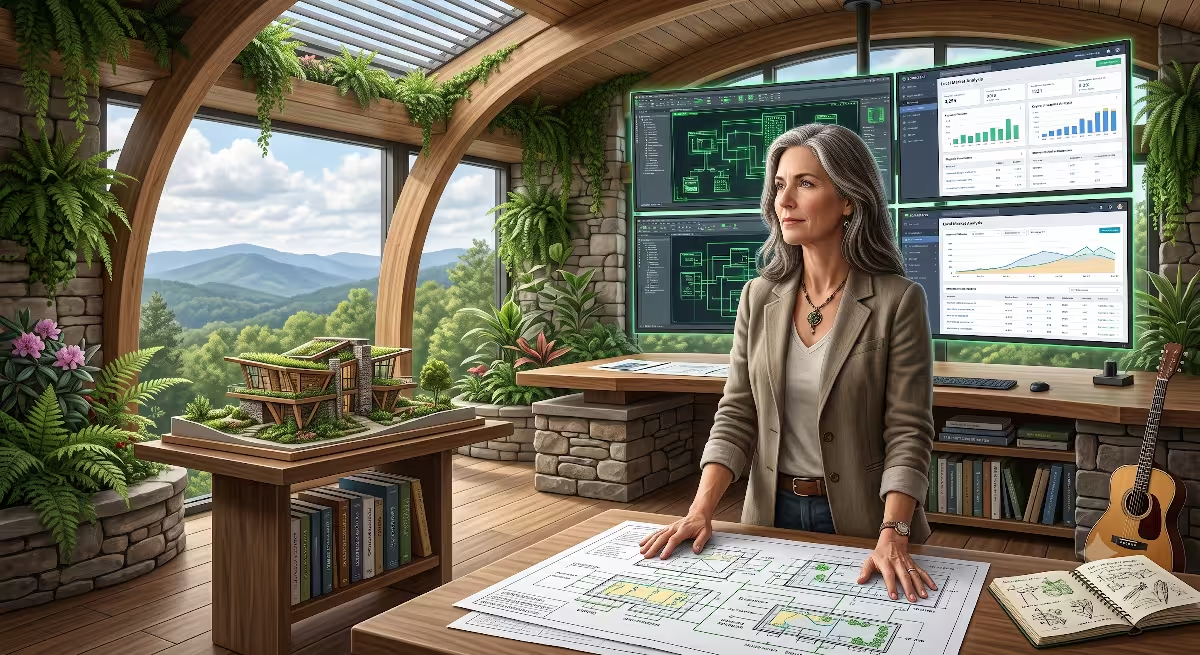
Investing time in your home office setup yields major long-term health and career rewards. Remote-working women who adopt a biophilic workspace report consistent improvements in daily energy, reduced neck and eye fatigue, and higher overall job satisfaction.
+-------------------------------------------------------------------------+
|                  LONG-TERM HEALTH & PERFORMANCE MATRIX                  |
+-------------------------------------------------------------------------+
| Area of Impact     | Traditional Office       | Biophilic Home Office   |
+--------------------+--------------------------+-------------------------+
| Daily Stress       | High Cortisol / Fatigue  | Balanced HRV / Calm     |
| Mental Focus       | Frequent Distractions    | Sustained Attention     |
| Sleep Quality      | Disrupted Blue-Light     | Aligned Circadian Cycle |
| Long-term Health   | Sedentary / Eye Strain   | Active / Ergonomic Flow |
+--------------------+--------------------------+-------------------------+
When your physical environment supports your biology, daily work tasks feel lighter. You handle complex problems with greater patience and keep your creative energy high throughout the week. Aligning your indoor space with the rich landscape of East Tennessee builds a healthy home office flow that serves you for years to come.
Detailed Zone Setup Guide for Regional Tri-Cities Homes
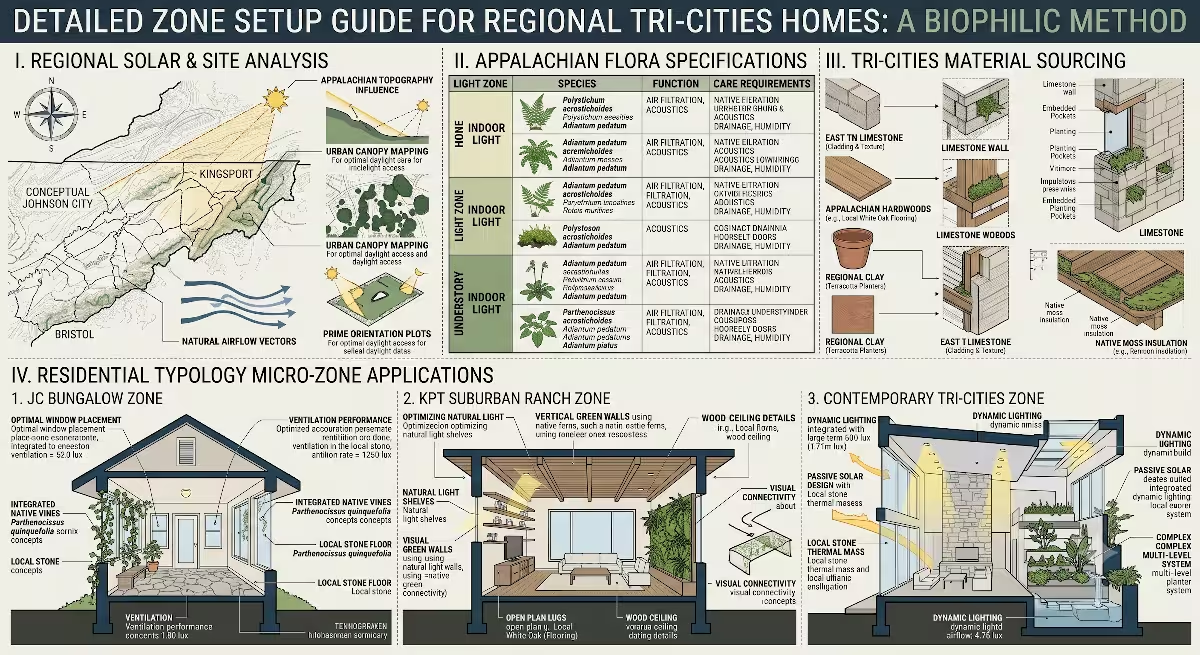
Different housing types across Johnson City, Kingsport, and Bristol require distinct spatial setups. Below is a practical guide tailored to common home styles in our region to help you maintain an effective home office flow.
+-------------------------------------------------------------------------+
|                  HOUSING TYPE FIT MAPPING MATRIX                        |
+-------------------------------------------------------------------------+
| Home Style        | Unique Challenge          | Biophilic Solution      |
+-------------------+---------------------------+-------------------------+
| Historic Bungalow | Narrow rooms, dark wood   | South light, pothos     |
| Modern Suburb     | Open plans, high drywall  | Moss panels, zones      |
| Mountain Cabin    | Heavy timber, dark corners| High-CCT LEDs, ferns    |
+-------------------+---------------------------+-------------------------+
Historic Tree-Streets Bungalows (Johnson City)
Bungalow homes feature charm and character, but they often have narrower room dimensions and lower natural light levels.
- Place your focus desk near front-facing windows to catch early morning light.
- Use light-toned oak finishes to reflect light across small spaces and maintain a light home office flow.
- Hang cascading plants near window frames to bring greenery inside without taking up floor space.
Suburban Single-Family Homes (Kingsport & Bristol)
Modern suburban homes offer larger floor plans, but they frequently suffer from open-concept noise and dry air from HVAC systems.
- Use tall wooden bookshelves or freestanding moss walls to create clear boundaries for your home office flow.
- Install a cool-mist humidifier to keep room air comfortable for both your lungs and your plants.
- Set up a generous Refuge Zone with a full armchair and floor lamp to maximize large room footprints.
Mountain-Side Cabins and Ridge Properties
Elevated ridge homes receive intense direct sun exposure and showcase grand mountain views.
- Use sheer linen window shades to cut direct glare while preserving scenic mountain sightlines.
- Position your desk parallel to large window spans to maintain a balanced home office flow without blinding screen glare.
- Balance dark interior log beams with light-colored stone accents and bright foliage plants.
Seasonal Maintenance Routines for Biophilic Spaces
To preserve an effective biophilic home office flow year-round, you must adapt your workspace maintenance routine to match changing East Tennessee seasons.
+-------------------------------------------------------------------------+
|                     SEASONAL MAINTENANCE TIMELINE                       |
+-------------------------------------------------------------------------+
| Season    | Environmental Shift     | Core Action Required              |
+-----------+-------------------------+-----------------------------------+
| Spring    | High pollen, high sun   | Clean glass, rotate plants        |
| Summer    | High humidity, warmth   | Air airflow, trim dense foliage   |
| Autumn    | Shorter daylight hours  | Increase artificial CCT light     |
| Winter    | Dry air, low sunlight   | Add humidifiers, move plants close|
+-------------------------------------------------------------------------+
Spring Maintenance
Spring brings high pollen counts and rapidly increasing daylight across the Appalachian region.
- Wipe down window panes and display screens weekly to remove fine pollen dust.
- Move plants closer to windows to capture soft spring sunlight and kickstart new plant growth.
- Open windows on clean, low-pollen days to flush fresh mountain air through your workspace and refresh your home office flow.
Summer Maintenance
East Tennessee summers are hot and humid, placing higher demands on air cooling systems.
- Keep indoor humidity levels between 40% and 60% using air conditioning or dehumidifiers.
- Trim dense trailing plants so air moves freely around leaf clusters.
- Use lightweight cotton desk coverings to keep tactile surfaces cool to the touch, supporting a comfortable home office flow.
Autumn Maintenance
Autumn days shorten rapidly as the sun drops lower across southern mountain ridges.
- Adjust smart LED schedules to turn on cool lighting earlier in the afternoon.
- Clean natural hardwood surfaces with low-VOC organic oils to prepare wood for drier winter conditions.
- Bring any outdoor potted plants inside well before the first mountain frost hits.
Winter Maintenance
Winter brings dry indoor heating air and reduced daylight hours across the Tri-Cities.
- Run a quiet room humidifier near your botanical focus area to prevent leaf browning and dry skin.
- Position plants closer to south-facing windows to capture scarce winter sun.
- Increase warm accent lighting in your Refuge Zone to maintain a cozy, uplifting home office flow on dark days.
Biophilic Engineering Metric Self-Assessment
Use this simple self-assessment checklist to measure the quality of your current workspace design and identify simple ways to improve your home office flow.
+-------------------------------------------------------------------------+
|                  BIOPHILIC FLOW SELF-ASSESSMENT MATRIX                  |
+-------------------------------------------------------------------------+
| Design Element            | Target Condition          | Score (1-5 Stars)|
+---------------------------+---------------------------+-----------------+
| Solar View Alignment      | Unobstructed nature view  | [ ]             |
| Tactile Material Quality  | Real wood/stone surfaces  | [ ]             |
| Air Freshness & Quality   | Live plants present       | [ ]             |
| Spatial Layout Security   | Back protected by wall    | [ ]             |
| Acoustic Comfort          | Soft sound absorbing mats | [ ]             |
+---------------------------+---------------------------+-----------------+
Assessment Scoring Breakdown
- 21 – 25 Stars: Outstanding biophilic setup. Your workspace provides excellent natural connection, biological balance, and a seamless home office flow.
- 15 – 20 Stars: Good baseline design. Your space handles fundamental tasks well, but adding natural materials or improving plant placement will boost your daily home office flow.
- 5 – 14 Stars: High-stress setup. Your room relies on too many synthetic materials, harsh lights, or rigid layouts. Follow the step-by-step protocol above to rebuild your home office flow and protect your daily health.
Materials & Plant Care Quick Reference Sheet
Keep this quick reference guide handy near your workspace to manage your natural office elements effortlessly.
+-------------------------------------------------------------------------+
|                   PLANT & MATERIAL CARE DIRECTORY                       |
+-------------------------------------------------------------------------+
| Item             | Ideal Light         | Watering / Care Frequency      |
+------------------+---------------------+--------------------------------+
| Golden Pothos    | Medium / Indirect   | Water when top inch is dry     |
| Snake Plant      | Low to Bright       | Water every 2-3 weeks          |
| Christmas Fern   | Medium / Shaded     | Keep soil damp, mist foliage   |
| White Oak Desk   | Away from hot sun   | Wipe with damp cloth, oil semi-|
|                  |                     | annually                       |
| Preserved Moss   | Indirect / No Sun   | No water; dust lightly with air|
+------------------+---------------------+--------------------------------+
Taking proper care of your workspace materials keeps your indoor environment healthy, attractive, and balanced. A clean, well-cared-for natural space reinforces a smooth home office flow day after day.
Final Thoughts
Creating a healthy home office flow is one of the most rewarding home improvements you can make. As remote work becomes a permanent part of life for many women in the Tri-Cities, our living spaces must evolve to support our physical and mental health. By using natural local woods, welcoming native Appalachian plant life, aligning lighting with solar patterns, and setting up smart spatial zones, you build a room that fuels your career while protecting your health.
Building an ideal home office flow does not require remodeling your home overnight. Start small by adjusting your desk alignment toward natural light, adding a hearty pothos plant, or replacing a plastic accessory with smooth local oak. Each small natural addition lowers stress, sharpens focus, and transforms your workday into a healthier, more refreshing experience.
If you live in Johnson City, Kingsport, or Bristol, step outside today and look closely at our natural Appalachian landscape. The peace, strength, and beauty of our regional forests belong inside your workspace. Bringing those natural qualities into your office creates an ideal home office flow that helps you thrive every single day.