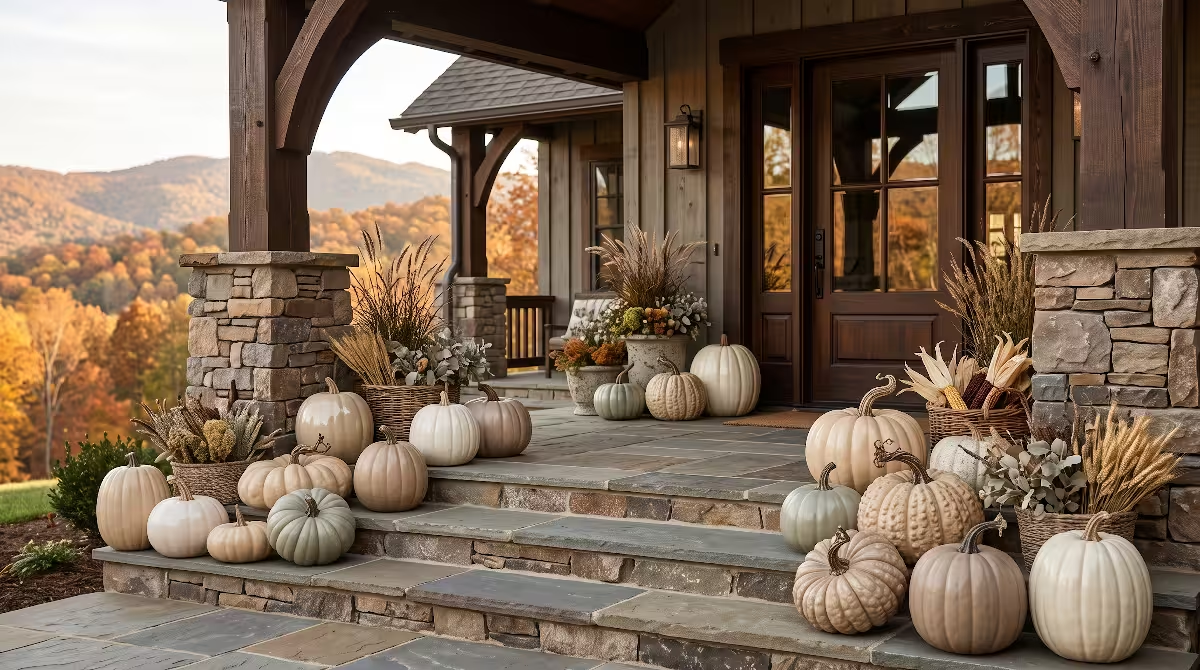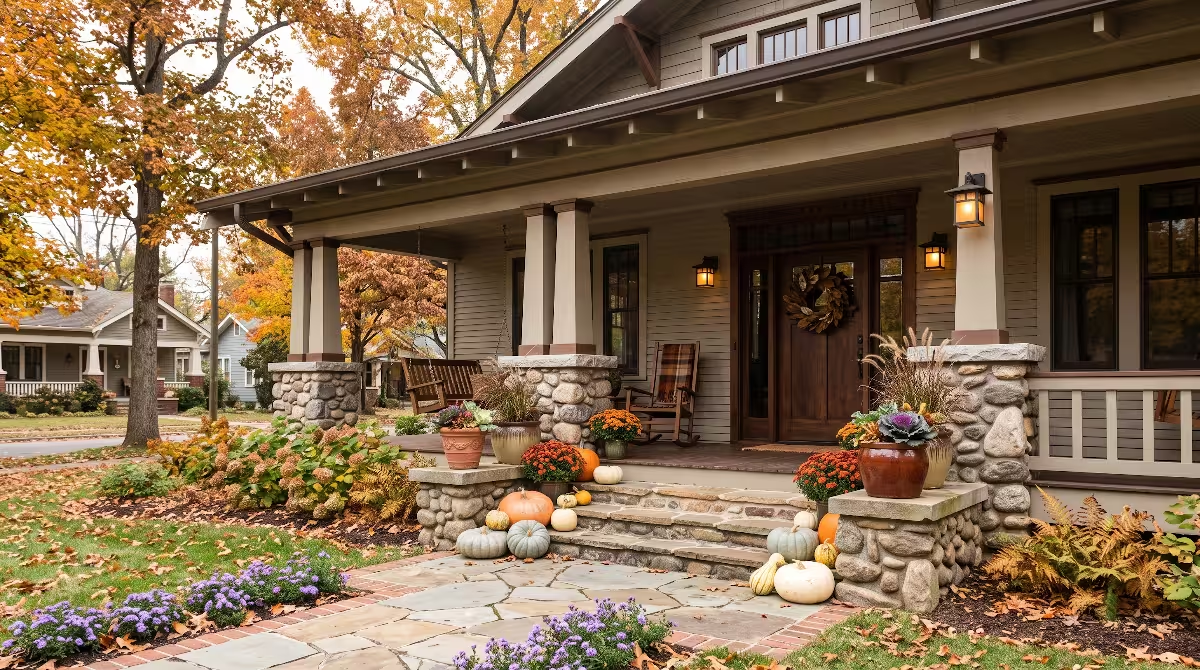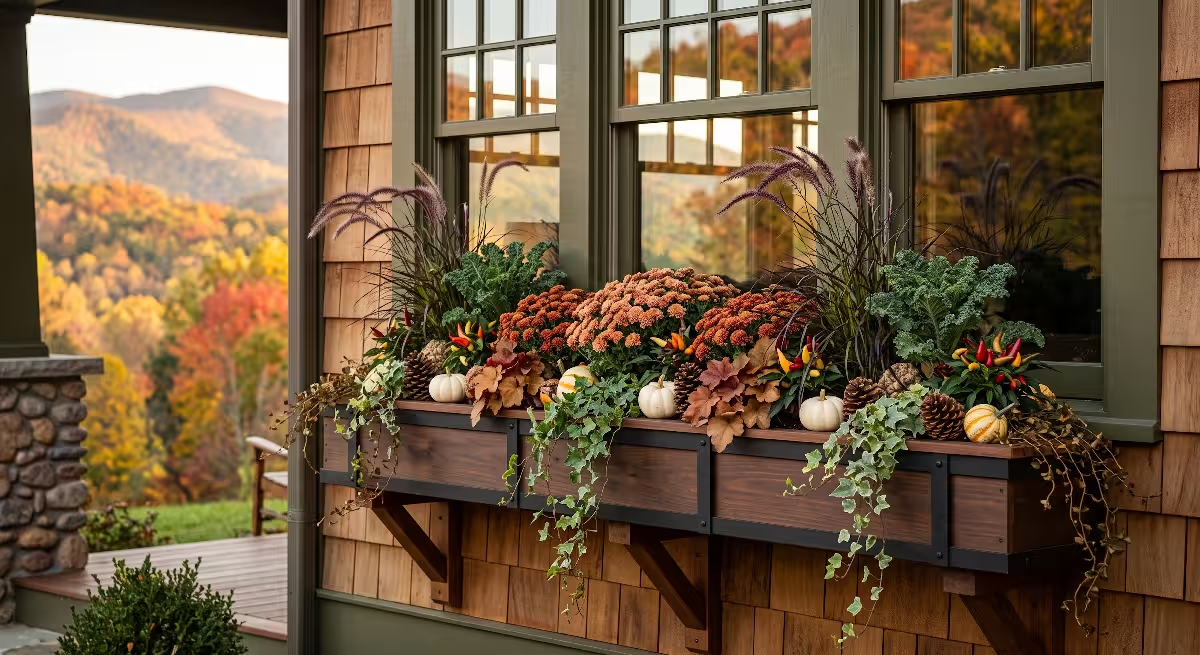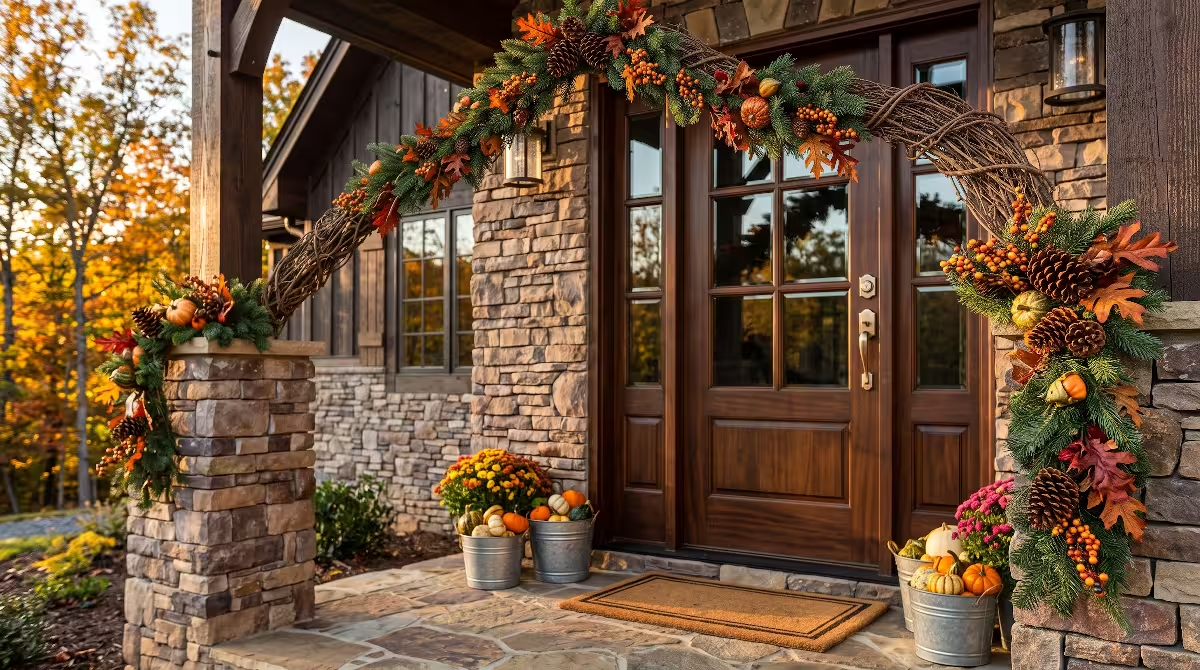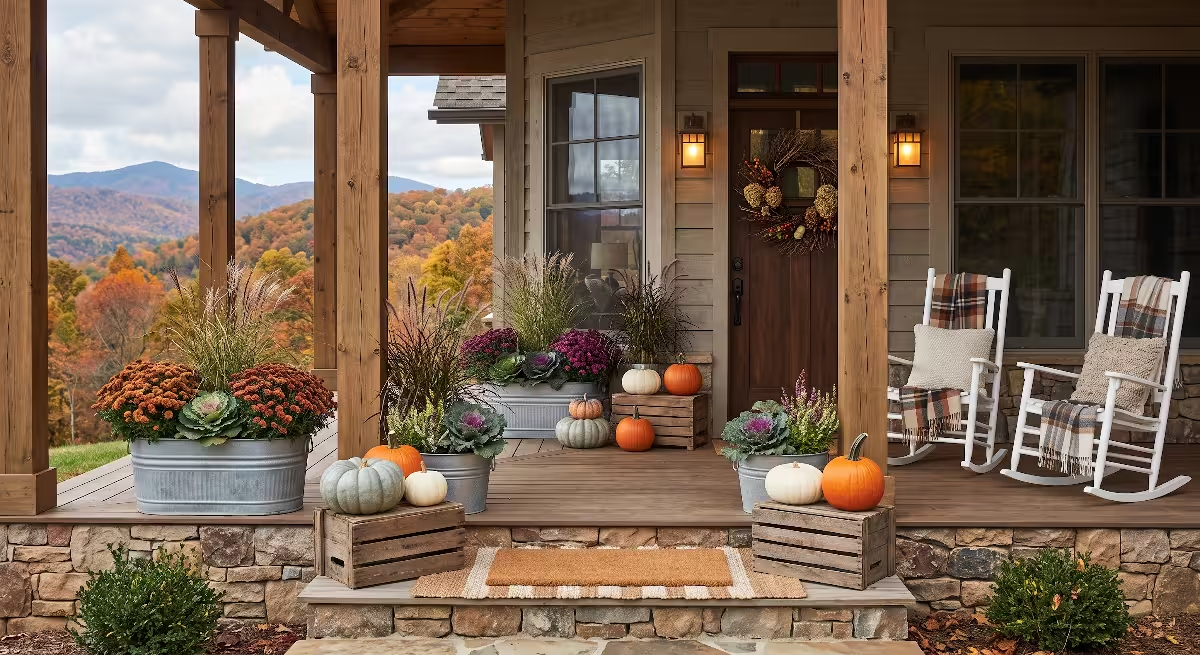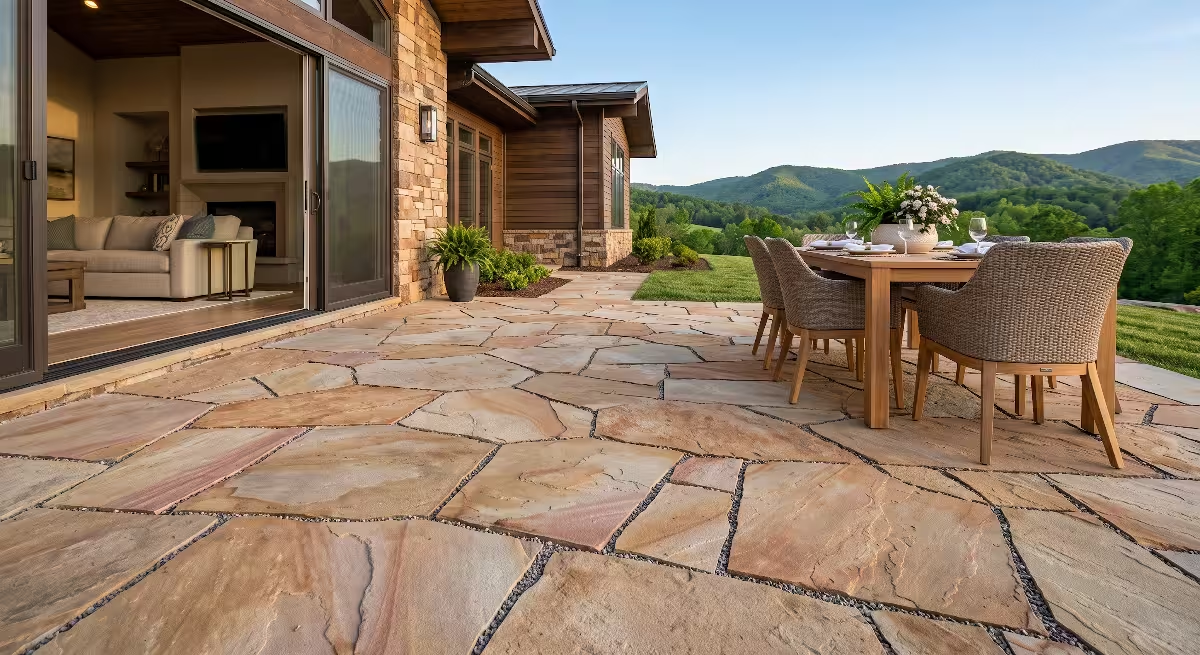
Welcome to fall in East Tennessee. When the air turns crisp across Johnson City, Kingsport, and Bristol, our entryways become the focal point of the home. As a residential builder and engineer, I look at an entryway with both an eye for design and a respect for structural function. The front stoop is the threshold of your sanctuary. It greets your guests, shelters deliveries, and sets the tone for your interior living spaces.
Seasonal decorating brings energy to our neighborhoods every autumn. When planning your curb appeal, the central choice comes down to styling direction. Many homeowners find themselves weighing Halloween front stoop staging: spooky vs. harvest aesthetic. Both styles bring charm to an entrance, but they rely on different visual rules, materials, and lifespans.
This comprehensive guide breaks down how to execute both styles with professional precision. We will examine structural layout, material choices, lighting safety, step-by-step assembly, and seasonal transitions. Whether you prefer harvest warmth or dramatic holiday theater, thoughtful planning ensures your porch looks stunning, functions smoothly, and keeps every visitor safe.
Architectural Foundations of the Front Stoop
Every great design begins with structural awareness. Before purchasing a single pumpkin or strand of lights, you must understand the physical space of your entrance. A front stoop is not merely a display shelf. It is an active transit corridor governed by foot traffic, door clearances, and weight limits.
Defining the Footprint
Start by assessing the actual dimensions of your stoop. Measure the width and depth of the landing pad outside your front door. Note the depth of each stair tread and the rise between each step. Many builders construct landings that are four to five feet wide, with steps having an eleven-inch tread depth and a seven-inch riser height.
+-----------------------------------------------------------+
|                      HOUSE EXTERIOR                       |
|                                                           |
|             +-------------------------------+             |
|             |          FRONT DOOR           |             |
|             |   (36" Door Swing Arc)        |             |
|             +-------------------------------+             |
|                                                           |
|  [Flanking Zone]      [36" Clear Corridor]    [Flanking]  |
|  Tall planters,       Egress path for safe    Tiered      |
|  cornstalks,          walking and package     pumpkins    |
|  lighting             deliveries              and decor   |
|                                                           |
|===========================================================|
|                     STAIR TREADS                          |
|  - Keep center clear                                      |
|  - Push decor to outer 6 inches against stringers         |
|  - Maintain solid footing on all steps                    |
+-----------------------------------------------------------+
When you calculate this footprint, map out the door swing. If your front door opens outward, your usable staging footprint changes dramatically. Even with standard inward-swinging doors, screen doors and storm doors open outward across the landing. Mark the arc of that swing. Never place decorative items inside that radius. If a visitor cannot open the storm door without nudging a ceramic jug or a pumpkin, the layout needs adjustment.
Next, observe sightlines from the curb. Walk down to the street and view your entrance from multiple angles. Notice where your driveway connects to the walkway, where the mailbox sits, and how streetlamps cast light on your porch. A low-lying cluster of small gourds might look charming from two feet away, but from the street, it can look like scattered clutter. Effective exterior staging requires bold, legible forms that read clearly from thirty feet away.
The Female Homeowner’s Lens
Female homeowners often approach exterior staging with an integrated perspective that blends hospitality, personal sanctuary, and practical daily use. An entryway must feel warm and welcoming to friends, neighbors, and returning family members. It reflects the care and comfort waiting on the other side of the front door.
At the same time, practical demands never stop. Groceries must be carried inside through the front entrance. Packages from online orders arrive daily and need clean, dry, sheltered placement away from rainwater and footpaths. Staging should never make daily routines harder.
When you design your layout, plan dedicated resting spots for packages near the door frame. Choose colors and organic textures that soothe the senses after a long commute. A balanced porch welcomes guests with beauty while supporting the functional rhythm of family life.
Safety and Structural Integrity
Safety is the absolute baseline of good residential design. An entrance must accommodate every visitor safely, including children in bulky costumes, elderly grandparents, delivery couriers, and individuals using mobility aids.
Keep these core guidelines in mind during your staging process:
- Clear Egress Corridor: Maintain a continuous walking path at least thirty-six inches wide from the walkway, up the stairs, and across the landing to the door handle.
- Tread Stability: Never stage decor in the center of stair treads. Place items strictly along the outer edges against railings or stringers, leaving ample foot placement space.
- Weight Distribution: Large glazed ceramic planters filled with wet soil and dense heirloom squash can weigh over seventy-five pounds each. On wood porches, distribute heavy items directly over support joists rather than spanning unsupported deck boards.
- Fastener Protection: Avoid driving permanent steel nails or screws through vinyl siding, composite decking, or stone mortar joints. Moisture intrusion behind pierced siding creates wood rot and mold inside the wall assembly over time.
The Harvest Aesthetic: Warmth, Texture, and Longevity
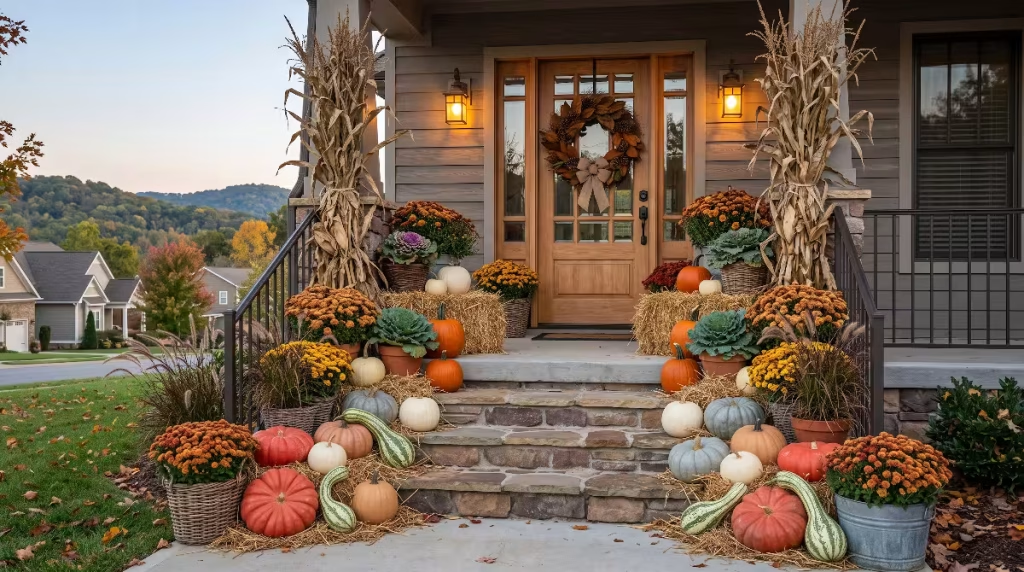
The harvest aesthetic is grounded in nature, agricultural heritage, and biological seasonality. It relies on the rich, warm colors of changing leaves, the earthy scent of straw, and the soft textures of field grasses. For homeowners who value longevity and natural beauty,
       HARVEST AESTHETIC DESIGN COMPOSITION

              +-------------------+
              |    FRONT DOOR     |
              |  [Grapevine Twig  |
              |   & Magnolia Wreath]
              +-------------------+
             /                     \
      +-------------+        +-------------+
      | Cornstalks  |        | Cornstalks  |
      | & Fountain  |        | & Broom Corn|
      |   Grasses   |        |   Bundle    |
      +-------------+        +-------------+
             |                      |
      +-------------+        +-------------+
      | 12" Bronze  |        | 12" Terracotta
      | Mum Planter |        | Mum Planter |
      +-------------+        +-------------+
             |                      |
      +-------------+        +-------------+
      | Cinderella  |        | Fairytale   |
      | Pumpkin     |        | Squash      |
      | (Flat base) |        | (Muted Tan) |
      +-------------+        +-------------+
             \                      /
        +--------------------------------+
        |   Steps: Alternating Gourds    |
        |   (White Ghost & Striped Cushaw)|
        +--------------------------------+
Visual Philosophy
The harvest look celebrates abundance and transition. As trees shed their leaves across the hills, the harvest porch reflects the landscape outside your door. The palette embraces deep russet, burnt orange, golden ochre, muted sage, creamy linen, and warm cider tones.
Rather than relying on symmetry, harvest styling shines with organic balance. Nature rarely produces identical twins. Pairing items with complementary textures, shapes, and weights creates an inviting, lived-in feel. The overall visual tone is grounded, hospitable, and timeless.
Key Design Elements and Biological Specifiers
Choosing living botanicals and authentic field produce creates visual depth that artificial decor cannot replicate. Understanding the plant varieties helps you select materials that remain vibrant for weeks.
Botanicals and Florals
Complement your mums with structural botanicals:
- Ornamental Flowering Cabbage and Kale: Varieties like ‘Redbor’ or ‘Osaka’ feature ruffly leaves with deep magenta and creamy centers that intensify in color as night temperatures drop.
- Ornamental Grasses: Dwarf fountain grass (Pennisetum setaceum) and bronze sedge (Carex comans) add upward movement and gentle rustling sounds in the autumn breeze.
- Trailing Ivy or Lysimachia: Let English ivy or creeping Jenny spill over the edges of your planters to soften the hard corners of stone and concrete steps.
Heirloom Gourds and Pumpkins
Move beyond standard round orange carving pumpkins. Heirloom cultivars bring refined architectural shapes and soft color palettes to your entryway:
- Cinderella Pumpkins (Rouge Vif d’Etampes): Flattened, heavily ribbed French heirloom squash in deep reddish-orange tones that serve as ideal, stable pedestals for stacking.
- Fairytale Pumpkins (Musquee de Provence): Wide, deeply lobed squash that ripen from dark green to an elegant matte buckskin tan.
- White Ghost Pumpkins (Lumina or Valenciano): Smooth-skinned ivory squashes that provide clean, bright contrast against dark brick or stone siding.
- Jarrahdale Pumpkins: Slate blue-gray Australian squash with ribbed skin, introducing a striking cool tone that balances warm orange and yellow flowers.
- Cushaw Squashes: Curved, green-and-white striped necks that add playful height and organic movement to stair displays.
Natural Textures and Planters
Container materials play a big role in grounding the harvest look:
- Terracotta and Clay: Porous, unglazed pots that bring natural earth tones and weight to anchor displays against fall winds.
- Woven Water Hyacinth and Rattan: Textured baskets that soften concrete steps. Always set plastic plant saucers inside to prevent water damage to the basket fibers.
- Galvanized Steel and Copper: Weathered metal tubs and buckets that add light reflection and vintage farmhouse appeal.
- Straw Bales and Corn Stalk Bundles: Dense, dried fiber elements that provide vertical framing along door trim and support varied staging heights.
Durability and Climate Management
Living displays require attentive care to withstand autumn weather patterns. Fluctuating temperatures, dry afternoon winds, and damp mountain mornings affect biological materials differently.
To preserve raw pumpkins and squash:
- Clean Surfaces: Wash gourds in a mixture of ten parts water to one part household vinegar or mild castile soap to eliminate surface bacteria and fungal spores.
- Moisture Barriers: Never place untreated pumpkin flesh directly onto porous, damp concrete. Concrete pulls moisture from the air and transfers it into the pumpkin base, accelerating bottom rot. Set each pumpkin on a thin, unobtrusive cedar shingle, a hidden circle of plastic corrugated sheeting, or a bed of dry straw.
- Hydration Control: Water potted mums from the bottom by pouring water into their saucer or directly into the root zone beneath foliage. Getting water on dense mum blossoms can cause crown rot and fungal mildew.
- Wildlife Deterrence: Squirrels, mice, and deer often view front porch pumpkins as an autumn buffet. Spray the skin of decorative squash with an eco-friendly mix of water, peppermint oil, and a dash of cayenne pepper extract. This keeps curious pests away without harming family pets or children.
The Spooky Aesthetic: Drama, Contrast, and Narrative
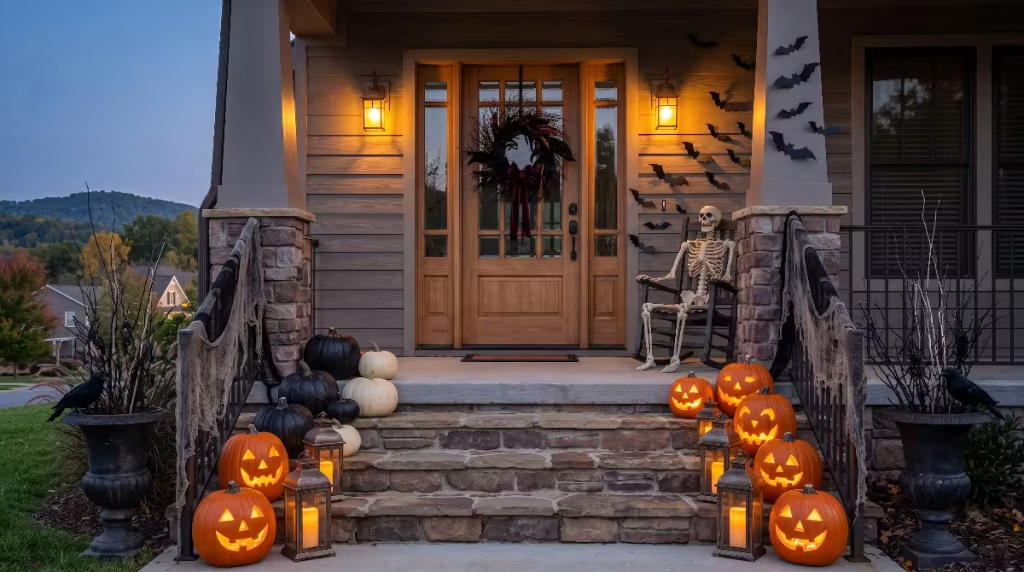
If the harvest aesthetic represents the gentle calm of the season, the spooky aesthetic brings drama, excitement, and creative storytelling. When executed with design discipline, Halloween front stoop staging: spooky vs. harvest aesthetic shifts from plain orange plastic to a refined gothic experience.
       SPOOKY AESTHETIC DESIGN COMPOSITION

              +-------------------+
              |    FRONT DOOR     |
              |  [Matte Black     |
              |   Feather Wreath] |
              +-------------------+
             /                     \
      +-------------+        +-------------+
      | Flying Bat  |        | Flying Bat  |
      | Swarm Wall  |        | Swarm Wall  |
      | Silhouette  |        | Silhouette  |
      +-------------+        +-------------+
             |                      |
      +-------------+        +-------------+
      | Poseable    |        | Black Urn   |
      | Anatomical  |        | with Bare   |
      | Skeleton    |        | Willow Twigs|
      +-------------+        +-------------+
             |                      |
      +-------------+        +-------------+
      | Distressed  |        | Jack-o'-    |
      | Cheesecloth |        | Lantern with|
      | Riser Drapes|        | 2200K LED   |
      +-------------+        +-------------+
             \                      /
        +--------------------------------+
        |  Steps: Amber Caged Lanterns   |
        |  (Low-voltage path illumination|
        +--------------------------------+
Visual Philosophy
The spooky aesthetic relies on shadow, high contrast, and architectural drama. It borrows elements from historical Victorian mourning decor, old library study spaces, and gothic architecture.
The color story narrows into an intentional, high-impact palette:
- Matte Midnight Black: Absorbs light and creates sharp silhouettes against vinyl siding, painted wood, or light mortar.
- Bone Ivory and Bleached White: Draws the human eye directly to anatomical shapes, skulls, and web patterns.
- Deep Oxblood Plum and Poison Burgundy: Adds velvety depth through wreaths, ribbons, or floral accents.
- Aged Pewter and Tarnished Brass: Introduces metallic patina through vintage candle holders, caging, and chains.
The visual narrative should feel cohesive. Rather than mixing cartoon witches, alien heads, and gory props, choose a single, refined storyline. A haunted conservatory, an ancient raven roost, or a friendly gathering of friendly spirits gives your porch a tailored, designer appearance.
Key Design Elements and Staging Hardware
Executing a sophisticated spooky entrance requires durable, high-quality materials and secure mounting hardware.
Architectural Wall Accents
One of the most popular and eye-catching spooky elements is the ascending bat swarm. Using three-dimensional plastic bats with pre-creased wings, stage them as if they are flying out from your bushes, swooping up the siding, and passing over the front door header.
To install wall accents safely without drilling:
- Brick and Stone Surfaces: Use spring-steel brick clips that grip the top and bottom of exterior masonry mortar joints without adhesive or drilling.
- Vinyl and Hardie Plank Siding: Use stainless steel siding hooks that slide securely under siding laps without penetrating the weather barrier.
- Exterior Doors: Hang wreaths and high garlands using heavy-duty magnetic hooks (for steel-core doors) or felt-padded over-the-door hooks.
High-Density Textiles and Figures
Inexpensive string webbing often catches in shrubs, snags on clothing, and harms local songbirds. Instead, use high-grade cotton cheesecloth (Grade 40 or 50). Dip the cloth in a bath of diluted black tea, gray acrylic paint, or charcoal water to break its stark factory brightness. Cut small slashes into the fabric and pull it gently along its bias grain to produce realistic, shredded antique draping.
For figures, choose posable anatomical skeletons made of durable matte resin rather than shiny hollow blow-molds. Position your skeleton with natural human body language. Place it casually in an existing porch rocking chair holding a leather-bound book, or sit it beside a cluster of black planters. Grounding figures in realistic postures creates an engaging, lifelike story.
Balancing Theatrical Drama and Sophistication
Striking the right tone is essential when styling a spooky entryway. Neighborhoods are shared community spaces filled with toddlers, dogs, and neighbors out for evening walks.
Here is how to strike that balance:
+----------------------------------------------------------------------+
|                    SPOOKY DESIGN SPECTRUM                            |
|                                                                      |
|  [CARTOON KITSCH]  <--->  [GOTHIC ELEGANCE]  <--->  [EXTREME GORE]   |
|  - Neon colors            - Matte black bats        - Blood splatters|
|  - Inflatables            - Natural ravens          - Severed limbs  |
|  - Plastic spiders        - Aged brass lanterns     - Jump scares    |
|                           - Carved heirloom squash                   |
|                                                                      |
|  * Best for young tots    * Best for balanced,      * Avoid on       |
|                            neighborhood curb         residential     |
|                            appeal                    front stoops    |
+----------------------------------------------------------------------+
Focus on atmosphere rather than shock value. Use natural organic materials in dark shades, such as dried black eucalyptus, purple calla lilies, coiled grapevine wreaths, and deep charcoal ceramic planters. This keeps the look elevated, dramatic, and fun for all ages.
Side-by-Side Comparison: Spooky vs. Harvest
To help clarify your styling decisions, this side-by-side comparison outlines the practical differences between both approaches:
| Design Dimension | Harvest Aesthetic | Spooky Aesthetic |
| Dominant Color Palette | Russet orange, ochre yellow, sage green, cream, warm cider, chocolate brown | Matte black, bone ivory, slate gray, oxblood plum, aged pewter |
| Primary Materiality | Living flora, terracotta, woven basketry, raw straw, untreated heirloom squash | Matte resin, tattered cotton cheesecloth, powder-coated iron, painted foam |
| Effective Seasonal Lifespan | Long duration: Early September through late November (Thanksgiving) | Short duration: October 1st through November 1st (4 weeks maximum) |
| Weekly Maintenance | Moderate to High: Watering botanicals, deadheading mums, monitoring squash skin | Low: Occasional cord checks, wind anchoring, wiping rainwater from resin |
| Environmental Resilience | Sensitive to early hard freezes, excessive dampness, and woodland pests | Resistant to cold temperatures; sensitive to high wind gusts and UV bleaching |
| Curb Appeal Tone | Hospitable, grounded, timeless, calming, neighborhood-wide warmth | Theatrical, witty, dynamic, playful, mysterious architectural mood |
| Storage Demands | Minimal: Most elements compost or biodegrade naturally at season end | Moderate: Requires storage bins for skeletons, bats, textiles, and hardware |
The Hybrid Approach: “Spooky Harvest”
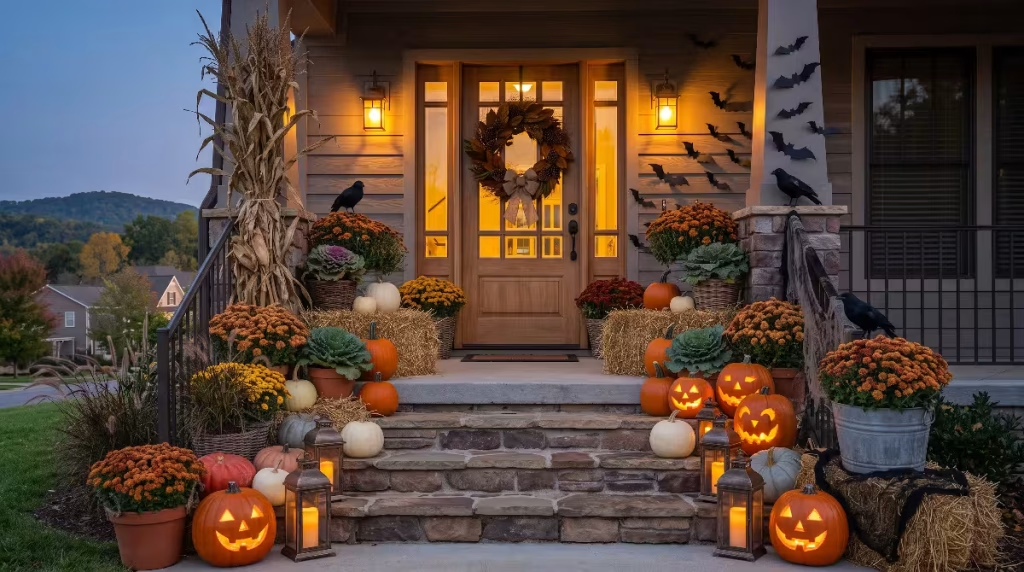
You do not have to choose strictly between these two paths. Many homeowners love the long-lasting warmth of harvest botanicals but still want the festive fun of Halloween for their families. The ideal solution is a staged, two-phase concept we call the “Spooky Harvest.”
+-------------------------------------------------------------------------+
|                  THE SPOOKY HARVEST CALENDAR ROADMAP                    |
|                                                                         |
|  PHASE 1: SEPTEMBER 1 - OCTOBER 15                                      |
|  [Install Harvest Foundation]                                           |
|  - Terracotta and stoneware pots with mums                              |
|  - Bundles of cornstalks along trim                                     |
|  - Display of raw heirloom squash (Cinderellas, Fairytales)             |
|                                                                         |
|  PHASE 2: OCTOBER 16 - OCTOBER 31                                       |
|  [The 14-Day Spooky Overlay]                                            |
|  - Snap magnetic bats onto existing metal trim and siding               |
|  - Add matte black metal lanterns with flicker bulbs                    |
|  - Carve two heirloom pumpkins into smiling Jack-o'-lanterns            |
|  - Drape tattered black tea-dyed cheesecloth over planter rims          |
|                                                                         |
|  PHASE 3: NOVEMBER 1 - THANKSGIVING                                     |
|  [The 30-Minute Reset]                                                  |
|  - Pack bats, skeletons, and black textiles into holiday bins           |
|  - Compost carved Jack-o'-lanterns                                      |
|  - Rotate remaining intact heirloom squash forward                      |
|  - Add fresh magnolia leaves or pinecones to planters                   |
+-------------------------------------------------------------------------+
Phase One: The Base Foundation (Early Autumn)
Begin in early autumn by assembling a sturdy, warm harvest framework. Place large planters filled with bronze or gold mums, ornamental kale, and tall cornstalks on both sides of the entrance. Arrange uncarved heirloom pumpkins and squashes along the step edges.
Because you leave the squash whole and uncarved, they remain solid and fresh through weeks of cool weather. Your stoop displays rich, welcoming curb appeal throughout September and into October.
Phase Two: The Two-Week Spooky Layer (Mid-October)
Two weeks before Halloween, introduce temporary spooky overlays directly on top of your harvest foundation:
- Perch Accents: Nest realistic faux black ravens directly inside your potted mum foliage.
- Textile Drapes: Swatch shredded black cheesecloth gently over the corners of your straw bales and around the handles of galvanized tubs.
- Wall Motion: Mount your bat swarm sweeping across the siding above your tall cornstalk bundles.
- Jack-o’-Lantern Carvings: Carve two or three simple, smiling faces into orange carving pumpkins and tuck them among your uncarved heirloom squash.
- Lantern Glow: Swap your standard entryway bulbs for warm, flickering flame-effect LED lamps.
Phase Three: The Easy November Reset
When November 1st arrives, packing up requires only thirty minutes.
Simply remove the cheesecloth, pack away the faux ravens and bats, compost your carved Jack-o’-lanterns, and return your lighting to soft amber. Your foundational mums, flowering kale, cornstalks, and uncarved heirloom squashes remain intact. Your entryway instantly returns to a clean, elegant Thanksgiving presentation without starting over from scratch.
Illuminating the Stoop: Electrical Planning and Lighting
Exterior lighting brings your autumn display to life after sundown. Lighting also serves as an essential safety feature for family members and visiting trick-or-treaters navigating concrete stairs.
+--------------------------------------------------------------------------+
|                       LIGHTING TEMPERATURE GUIDE                         |
|                                                                          |
|  2200K - 2400K       2700K - 3000K       4000K - 5000K       VIOLET/GREEN|
|  [Candle Warmth]     [Warm White]        [Cool Daylight]     [Spectral]  |
|                                                                          |
|  - Flickering flame  - Standard porch    - Harsh on porch    - Spooky    |
|    bulbs               sconces             surfaces            accent    |
|  - Lanterns          - Architectural     - Avoid for fall      uplighting|
|  - Welcoming glow      downlights          displays          - Washes    |
|                                                                          |
|  * Best for Harvest  * Best for Steps    * Avoid             * Best for  |
|    and Jack-o'-        and Walkways                            Haunted   |
|    lanterns                                                    Effects   |
+--------------------------------------------------------------------------+
Kelvin Color Temperatures
The color temperature of light is measured in Kelvins (K). Choosing the proper Kelvin rating determines whether your stoop feels cozy, harsh, or eerie:
- 2200K to 2400K (Candle Glow): Produces a deep, warm amber tone. This range captures the historic look of gas lanterns and matches the flickering glow inside carved pumpkins. It complements harvest displays beautifully.
- 2700K to 3000K (Warm White): The standard residential range for exterior step lighting and overhead sconces. It reveals true architectural paint colors and textures while maintaining a welcoming ambiance.
- 5000K+ (Daylight White): A cool, blue-white light that feels clinical and harsh on autumn porches. Avoid using cool daylight bulbs in decorative fall fixtures.
- Monochromatic Saturated Color (Violet, Emerald, Blood Red): Saturated colors work well for theatrical Halloween lighting. For the best effect, use these colors as low-lying accent washes pointed up at walls or branches, rather than as overhead illumination.
Electrical Safety and Building Codes
Moisture, foot traffic, and exterior wiring require careful safety management. When setting up electrical elements on your porch, follow these residential best practices:
- GFCI Outlets: Always plug temporary outdoor decor into a ground-fault circuit-interrupter (GFCI) protected outlet. Test the outlet button before plugging in extension cords to ensure it trips properly if exposed to water.
- Outdoor-Rated Hardware: Use cords and power strips with clear UL or ETL wet-location ratings. Look for thick rubber jackets labeled SJTW, which resist sunlight, rain, and foot traffic.
- Cord Placement: Never run an extension cord across the main walking corridor or across stair treads. Secure wiring flat against the building wall or beneath step overhangs using insulated cable clamps or removable outdoor gaffer tape.
- Smart Timers: Connect your lighting system to an outdoor smart plug or a dusk-to-dawn astronomical timer. Setting your lights to turn on automatically at sunset and off at bedtime saves energy and preserves bulb life.
Lighting Angles: Up-Lighting vs. Down-Lighting
Where you place your lights is just as important as the bulbs you select:
- Down-Lighting: Casts light downward from overhead fixtures, sconces, or porch ceiling soffits. This provides functional task lighting that illuminates stair edges and door handles clearly, keeping steps safe for guests.
- Up-Lighting: Positions low-voltage spotlights at the ground level, directing beams upward toward architectural columns, cornstalk bundles, or wall silhouettes. Up-lighting creates long, dramatic shadows and highlights textures on siding and brick.
- Shielding and Glare: Shield all accent light sources so bulbs do not shine directly into visitors’ eyes as they climb your stairs. Direct glare temporarily blinds people on dark walkways, creating a trip hazard.
Frequently Asked Questions about Halloween Front Stoop Staging
Homeowners frequently ask practical questions when designing fall entryways. Here are clear answers to the most common concerns.
How do I transition my front stoop from Halloween to Thanksgiving without starting over?
Build your display around a durable harvest base. Use large pots of cold-tolerant flowering kale, uncarved heirloom squash, woven baskets, and tall cornstalks. In mid-October, add temporary spooky items like bat silhouettes, cheesecloth draping, and carved pumpkins. On November 1st, simply remove those Halloween accents. Your remaining natural botanicals and heirloom squash provide an instant, elegant display that lasts through Thanksgiving dinner.
What are the best methods to protect heirloom pumpkins from rotting on concrete stoops?
Concrete acts like a hard sponge, drawing moisture from rain and morning humidity and trapping it against the bottom of your squash. To stop premature rot, wash the pumpkin skin in a mild bath of ten parts water and one part white vinegar, then let it dry thoroughly. Never set pumpkins directly on bare concrete. Rest them on thin wood shims, breathable straw, or small plastic rings cut from plant saucers to allow air circulation beneath the fruit.
How can I hang exterior Halloween decor without damaging brick, stone, or composite siding?
Preserve your home’s exterior envelope by avoiding mechanical anchors like screws, concrete anchors, or steel nails. For brick and stone with recessed mortar joints, install spring-steel brick clips that grip the masonry without drilling. For vinyl or fiber-cement siding, slide stainless steel siding hooks beneath the lap seams. On steel front doors, heavy-duty rubber-coated neodymium magnetic hooks provide up to twenty-five pounds of hanging strength without scratching paint.
How do I light my front steps safely for trick-or-treaters while maintaining a dark, moody ambiance?
Layer your lighting across two distinct zones. Keep stair steps and the immediate walking corridor illuminated with warm white down-lighting (2700K) at a functional brightness of at least fifty lumens per tread. Create your moody, theatrical ambiance along the vertical surfaces flanking the path. Direct low-wattage amber or violet spotlights up into wall displays, cornstalk bundles, and decor. This keeps the walking path safe while delivering dramatic visual depth.
Practical Action Guide: 5-Step Stoop Staging Protocol
Follow this structured staging checklist to build an organized, safe, and balanced autumn display.
+---------------------------------------------------------------+
|             5-STEP STOOP STAGING PROTOCOL                     |
|                                                               |
|  [STEP 1: SURVEY & CLEAR]                                     |
|  Sweep porch, test GFCI outlet, map 36" walking corridor      |
|                               |                               |
|  [STEP 2: ANCHOR PERIMETER]                                   |
|  Set tall planters, cornstalks, and large lanterns at edges   |
|                               |                               |
|  [STEP 3: TIER THE STAIRS]                                    |
|  Place mums and heirloom squash using the "Rule of Three"     |
|                               |                               |
|  [STEP 4: LAYER THE DOORWAY]                                  |
|  Hang wreath and frame door without impeding latch operation  |
|                               |                               |
|  [STEP 5: DUSK AUDIT]                                         |
|  Check nighttime illumination, eliminate glare, test cords    |
+---------------------------------------------------------------+
Step 1: Survey and Clear the Foundation
Begin with a clean slate. Sweep away summer cobwebs, pollen, and debris from steps, ceiling corners, and siding. Inspect your exterior GFCI outlet to make sure it functions properly. Take a tape measure and mark your thirty-six-inch walking path from the bottom step to the door handle. Keep this central corridor completely free of decor throughout the entire staging process.
Step 2: Anchor the Perimeter Boundaries
Set your largest, heaviest items first. Place large planters, tall cornstalk bundles, or topiary urns against the outer edges of the porch and on either side of the front door frame. Positioning these structural anchors first creates vertical boundaries that frame the entrance and draws the eye upward toward your architecture.
Step 3: Tier the Steps Using the Rule of Three
Decorate your steps using natural clusters based on the design “Rule of Three.” Group items in odd numbers with varying heights, textures, and diameters:
- Back Tier: A medium potted chrysanthemum or flowering kale in a terracotta vessel.
- Middle Tier: A broad, flattened Cinderella or Fairytale squash providing a solid base.
- Front Tier: A smaller, contrasting white Ghost pumpkin or striped cushaw resting beside it.
Keep all groupings strictly along the outer edges of the stairs, pressed neatly against railings or side walls, to maintain safe foot placement on every tread.
Step 4: Layer the Doorway and Vertical Spaces
With the ground composition set, focus on your vertical and wall surfaces. Center your primary wreath on the front door using a padded, non-damaging hook. Ensure the wreath does not interfere with the latch, deadbolt, or house key access.
If using a spooky aesthetic, attach your bat swarms or cheesecloth overlays along the siding and door headers using non-marring siding hooks or brick clips.
Step 5: Perform the Dusk Lighting and Safety Audit
Once the sun sets, walk down to the street to conduct a thorough evening inspection:
- Walking Path Check: Walk up the steps without your phone flashlight. Are all step edges easily visible?
- Glare Assessment: Do any spotlight fixtures shine directly into your eyes as you climb the stairs? If so, angle them downward or shield the bulbs.
- Cord Security: Check that all electrical cords lie flat against baseboards and away from foot paths.
- Curb Visibility: Look at your entrance from thirty feet away. Are the forms and colors clear, balanced, and visually appealing from the street?
Balancing Form, Function, and Seasonality
Your front stoop is the public face of your home. It connects your private living space to your community and neighborhood. In weighing Halloween front stoop staging: spooky vs. harvest aesthetic, remember that both styles can look beautiful when planned with care.
The harvest approach offers enduring warmth, celebrated textures, and low-waste transitions from early autumn through Thanksgiving. The spooky approach brings joyful family excitement, theatrical contrast, and creative storytelling to chilly October evenings.
By grounding your staging in solid structural design, respecting clear walking paths, choosing weather-resistant materials, and installing safe lighting, you create an entrance that looks stunning from the street and welcomes every guest with comfort and safety.
Happy decorating this autumn season. If you ever have questions about structural renovations, exterior upgrades, or home design in our beautiful Tri-Cities region, our team is always here to guide you home.