At its most basic a house is a structure that must work with the environment. When we talk about building in East Tennessee, we have to look at the soul of our landscape. This brings us to a very important concept called vernacular architecture. This is not just a fancy term for old buildings. It is a set of design principles that focuses on using what we have around us to build homes that last. In the Tri-Cities, our rugged hills and our four different seasons tell us exactly how we should build.
Building with the land is an engineering must. If you ignore the land, the land will eventually ignore your house. We are going to look at how these traditions help us create custom homes that feel like they have always belonged right here in our mountains.
The Basic Pillars of Vernacular Architecture Design Principles
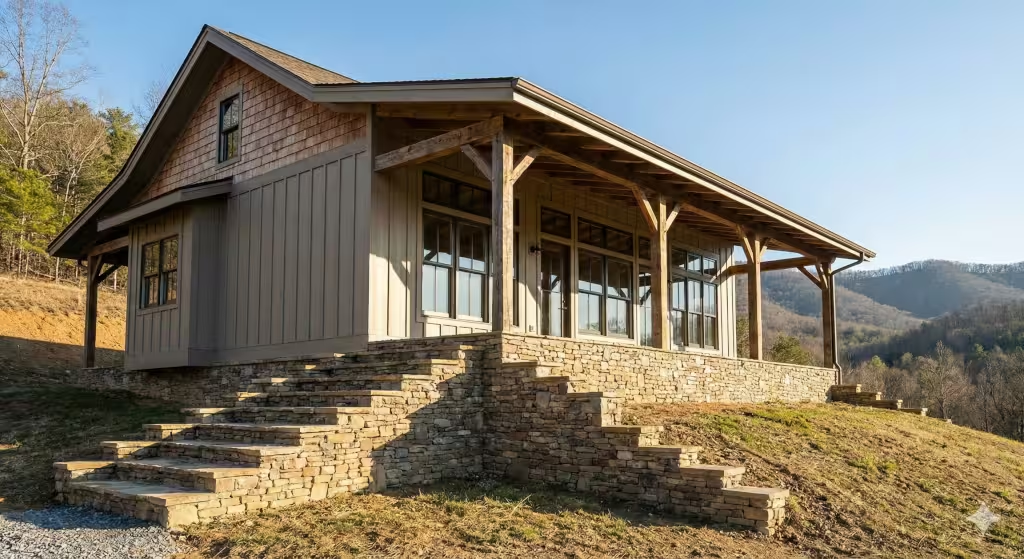
The “pillars” of vernacular architecture are the difference between a house that fights the Tennessee weather and one that leans into it. Many homes are built from “cookie-cutter” plans designed for Florida or Texas. They just don’t work here in E Tennessee. To build with integrity, we have to look at the three main pillars that make a home truly Appalachian.
1. Climate-Responsive Design: Working with the Four Seasons
In the Tri-Cities, our weather is a bit of a moving target. We have high humidity in the summer and sharp, biting winds in the winter. Vernacular architecture is all about being “bioclimatic.” This is a fancy way of saying the house is smart enough to handle the weather without you constantly touching the thermostat.
The most important part of this is Passive Solar Orientation. When I’m looking at a lot in Johnson City, the first thing I do is check where the sun rises and sets. We want the long side of your home facing south. Why? Because in the winter, the sun stays low in the sky. If you have big windows on the south side, that sunlight hits your floors and warms them up for free. In the summer, the sun is high and hot. We use wide porches and deep roof overhangs to shade those same windows. It’s like wearing a wide-brimmed hat on a sunny day at South Holston Lake, it keeps you cool without any extra effort.
2. Locally Sourced Materials: The Earth’s Own Palette
When we talk about vernacular architecture, we have to talk about what’s under our feet. Using local materials isn’t just a style choice; it’s an engineering win. Here in East Tennessee, we are blessed with an abundance of limestone, white pine, and cedar.
Tennessee Limestone: This is some of the toughest rock you’ll find. Using it for your foundation or your hearth means the house is chemically “used” to our soil. It doesn’t crack or wear down like imported stone might.
White Pine and Cedar: These trees grow all over our ridges. They are naturally resistant to the bugs and rot we deal with in our damp climate.
When you use these materials, your home has a lower “embodied energy.” That means we didn’t burn thousands of gallons of diesel fuel trucking in marble from Italy or cedar from Canada. It’s a more competent way to build because it supports our local economy in Kingsport and Bristol while ensuring the house looks like it belongs in the woods.
3. Topographic Integration: Dancing with the Slopes
If you’ve ever driven through the Tri-Cities, you know we don’t have much flat land. Most people see a hill and think “problem.” In vernacular architecture, we see a hill and think “opportunity.”
Instead of “cut and fill,” which is when a builder brings in a bulldozer to flatten a site, we prefer to integrate the house into the slope. Flattening a site ruins the natural drainage of the land and can lead to wet basements later on. Instead, we might design a “walk-out” lower level. This allows the back of the house to be tucked into the earth, which acts as natural insulation (keeping you warm in winter and cool in summer), while the front opens up to those beautiful mountain views. It takes more precision in the planning stage, but it results in a house that is much more stable and permanent.
Building this way shows a deep respect for the land. It means your custom home isn’t just sitting on the ridge; it’s part of the ridge. That is the true heart of vernacular architecture.
Iconic Tennessee Vernacular Forms and Entities
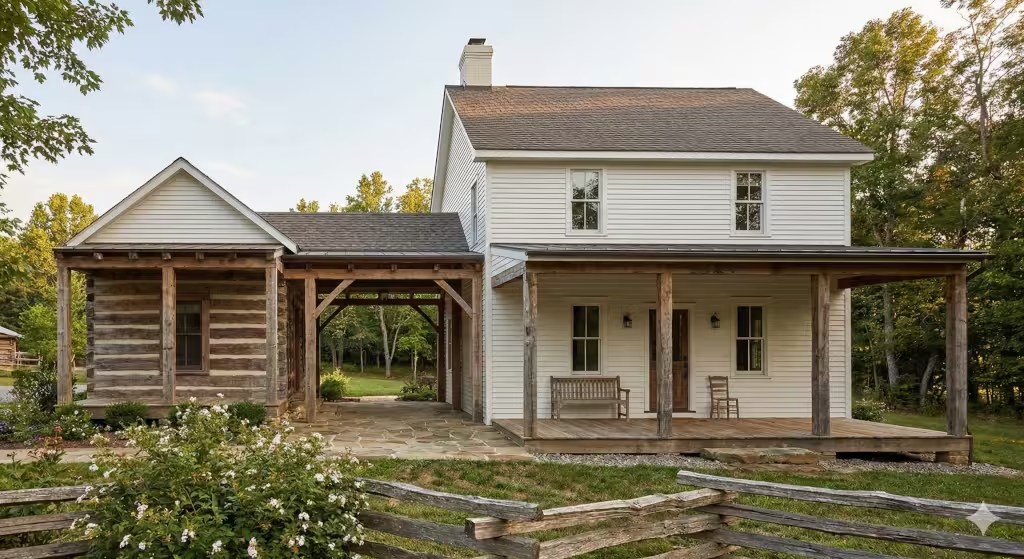
It is interesting how our ancestors built homes that were both beautiful and incredibly smart. When we talk about vernacular architecture, we are talking about “tried and true” forms. These aren’t just styles you pick out of a magazine; they are solutions to the specific problems of living in the Appalachian mountains.
In the Tri-Cities, we have a few specific “entities,” or building types, that have stood the test of time. If you are building a custom home today, understanding these forms is the best way to ensure your house feels like a true Tennessee home.
The Dogtrot House: The Original Air Conditioner
If you drive through the rural areas around Bristol or Johnson City, you might still see an old cabin with a big open hole right through the middle. That is a dogtrot. This is one of the most brilliant examples of vernacular architecture in the South.
The design is simple: two separate log cabins (we call these “pens”) under one continuous roof. The open space in the middle is the “breezeway.” In the days before electric fans, this was a lifesaver. Because of the way air pressure works, the breeze gets pulled into that narrow hallway and speeds up. It creates a natural cooling effect for the rooms on either side.
When I work with buyers today, we often adapt this idea for modern life. We might put the kitchen and living room in one “pen” and the bedrooms in the other, connecting them with a glass-enclosed hallway. It keeps the spirit of vernacular architecture alive while giving you a home that is incredibly energy efficient. It also provides a wonderful “outdoor room” where you can sit and watch the rain without getting wet.
The Tennessee I-House: A Symbol of Success
As settlers in the Tri-Cities became more established and successful, they wanted homes that looked a bit more formal. This led to the “I-House.” It got its name because it became so popular in states starting with “I,” like Indiana and Illinois, but we have our own version right here in East Tennessee.
An I-House is usually two stories tall, at least two rooms wide, but only one room deep. From the front, it looks like a big, imposing manor. From the side, it looks quite thin. This shape wasn’t just for show; it was about “cross-ventilation.” Because the house is only one room deep, every room has windows on at least two sides. In our humid Tennessee summers, being able to open those windows and get a breeze moving through the whole house was essential.
This is a great example of vernacular architecture because it uses a simple geometric shape to solve a climate problem. It’s precise, professional, and very practical. Many of the beautiful historic homes you see in downtown Jonesborough follow this I-House pattern.
The Appalachian Log Cabin to Timber Frame Evolution
We can’t talk about vernacular architecture in our neck of the woods without talking about logs. The early settlers used logs because the land was covered in trees that they had to clear anyway. They used “V-notches” or “dovetail joints” to lock the logs together without needing many expensive metal nails.
Today, we don’t usually build with raw logs as much, but we carry that tradition forward through Timber Framing. This uses large, heavy wood beams held together by wooden pegs. It’s a very competent way to build because the skeleton of the house is incredibly strong. When you walk into a custom home in the Tri-Cities and see those big, exposed oak or pine beams, you are seeing a direct descendant of the old log cabin.
It’s about showing the “bones” of the house. In vernacular architecture, we don’t try to hide how the building is made. We celebrate the craftsmanship and the materials. Whether it’s a hand-carved mantle or a stone chimney made from river rock, these elements tell a story of where the house came from.
Why These Forms Matter Today
You might wonder why we still care about 200-year-old house shapes. The reason is simple: they work. A house that follows these vernacular architecture principles will be easier to heat, easier to cool, and will sit more naturally on our rolling hills.
We should look to the past to build for the future. We can take the “breezeway” from a dogtrot and the “cross-ventilation” of an I-House and combine them with modern insulation and high-tech windows. That is how you create a home with true integrity—one that honors the Tri-Cities landscape while providing a comfortable place for a modern family to live.
Common Questions Answered on Vernacular Design
Many people ask about the specific rules of this style. People often want to know what the five principles of vernacular architecture are. While different experts might have different lists, it usually comes down to materials, climate, culture, tradition, and economy. It is about using what is cheap and local, making sure the house handles the weather, and making sure it looks like it belongs to the people who live there.
Another common question is whether vernacular architecture is sustainable. The answer is a big yes. Today, people talk about “green” building and getting special certificates. But the old ways were green before that was even a word. By using the sun for heat and the wind for cooling, these houses use less energy. By using local stone and wood, we don’t burn fuel moving materials across the country. It is a very efficient way to build a custom home.
People also wonder how these old ideas influence modern design. In places like Kingsport, we are seeing a rise in “Mountain Modern” homes. These houses use big glass walls and metal roofs, but they still follow the rules of vernacular architecture. They still use local stone. They still face the south. They still have big porches. It is a way to have a modern life while staying connected to our Tennessee roots.
Interior and Exterior Elements: The Technical Details
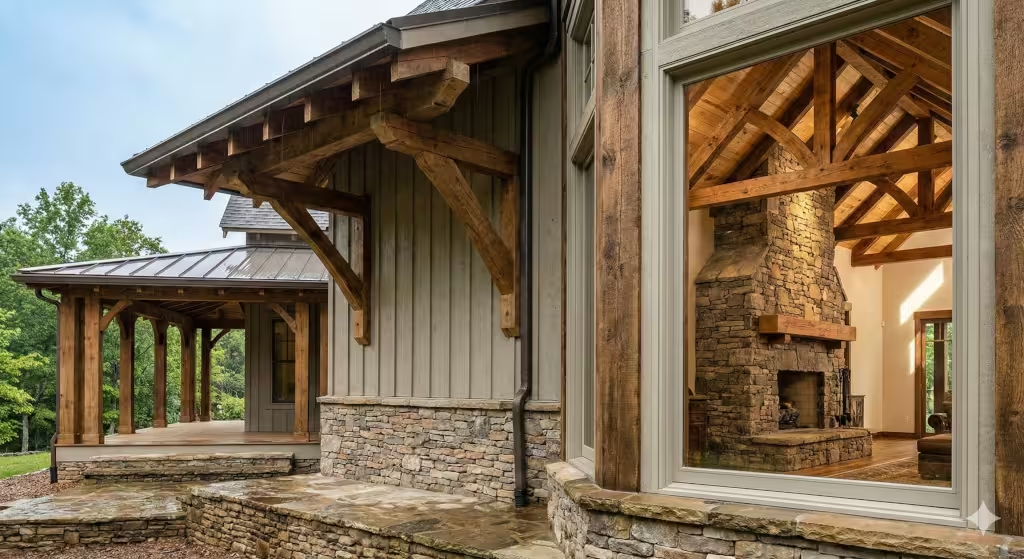
In vernacular architecture, the technical details aren’t just for show. Every beam, every stone, and every roof line has a job to do. When we build in the Tri-Cities, we are building for a place that gets a lot of rain, a fair amount of snow, and some very humid summer days.
If we want to build with integrity, we have to make sure the exterior protects the house and the interior makes it comfortable. Let’s look at the technical side of these vernacular architecture elements.
The Exterior: Protecting the House from Appalachian Weather
In East Tennessee, our biggest enemy is water. We live in a beautiful, lush area, but that green grass comes from a lot of rainfall. Vernacular architecture has developed specific ways to handle this over hundreds of years.
Deep Roof Overhangs and Eaves
If you look at an old farmhouse in Sullivan County, you’ll notice the roof sticks out quite a bit past the walls. This is a key part of vernacular architecture. Technically, this is called a “large eave overhang.” Its job is to act like an umbrella. By keeping the rain off the siding, we prevent rot and mold. It also shades the top of the walls in the summer, which keeps the house cooler. In my experience as a project manager, houses with small or no overhangs always end up with leaky windows and damaged wood much sooner than those built with these traditional principles.
The Wraparound Porch as a Thermal Buffer
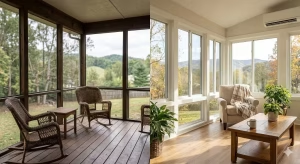
A porch in Tennessee is more than just a place to drink sweet tea. In vernacular architecture, the porch is a “thermal buffer zone.” Because the porch roof shades the main walls of the house, the sun never actually hits the siding. This keeps the inside of the house much cooler. Technically, it creates a pocket of shaded air that surrounds the living space. Also, because it’s covered, you can leave your windows open during a summer rainstorm to get that fresh mountain air without getting your floors wet.
Local Stone Masonry and Water Management
We use a lot of Tennessee limestone for the “wainscoting” or the bottom part of the exterior walls. This is because stone doesn’t rot when it gets splashed by rain hitting the ground. In vernacular architecture, we put the toughest materials where the most abuse happens. Using a stone foundation or a stone water table (the ledge where the stone meets the siding) is a very competent way to ensure the house lasts for a century or more.
The Interior: The Engineering of Comfort and Style
Inside the home, vernacular architecture focuses on showing how the house is built. We call this “honest construction.” We don’t try to hide the structure behind layers of plastic or drywall if we don’t have to.
Exposed Beams and Timber Joinery
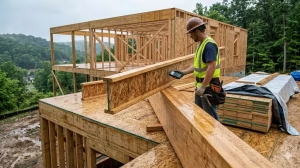
If you are building a custom home with a timber frame, you are using the ultimate form of vernacular architecture. We leave the big oak or pine beams visible. From an engineering standpoint, this is great because you can see the “load path,” you can see exactly how the weight of the roof is being carried down to the ground. We use “mortise and tenon” joints, where one piece of wood fits into a hole in another, held together by a wooden peg. It’s precise, it’s strong, and it looks beautiful because it shows the skill of the carpenter.
The Massive Stone Hearth
In the old days, the chimney was the only way to stay warm. In modern vernacular architecture, we still like a big central fireplace made of local stone. Technically, this acts as a “thermal mass.” The stone soaks up the heat from the fire (or even from the sun coming through the windows) and holds onto it. Then, at night when the temperature drops, the stone slowly releases that heat back into the room. It’s like a natural battery for heat. It keeps the house at a steady temperature, which is much more comfortable than a heater that clicks on and off all night.
Natural Ventilation and High Ceilings
Because heat rises, vernacular architecture in the South often uses high ceilings. This gives the hot air a place to go, keeping the “living zone” where you sit and sleep much cooler. We also align the doors and windows to create “clear sightlines.” This isn’t just for the view; it’s for the wind. If you can see straight through the house from the front door to the back window, the air can move straight through, too. That is the engineering of a breeze.
Why Precision Matters in the Details
When we talk about being precise, we mean that every one of these details has to be done right. If your roof overhang is too short, your walls get wet. If your stone hearth isn’t built with enough “mass,” it won’t hold the heat. Building a home using vernacular architecture means we are paying attention to the small things that make a big difference over forty or fifty years.
A competent builder understands that the climate in the Tri-Cities is different than the climate in Nashville or Memphis. We have our own way of doing things here because our land demands it.
Modern Application: Building Your Custom Home in the Tri-Cities
Building a home today is a bit different than it was 200 years ago. We have legal rules and zoning laws to follow. However, you can still use vernacular architecture design principles within those rules. As an expert, I help people navigate these trends. We want to make sure the house meets all the safety codes but still keeps its character.
We use precise engineering to blend the old with the new. For example, we might use modern insulation like spray foam to make the house airtight. But we still use the dogtrot shape to help with airflow when the windows are open. We might use solar panels, but we hide them on the back of a traditional roofline. This is how we bring integrity to the project.
It is also important to network with local craftsmen. Not every builder understands how to work with Tennessee limestone or how to hand-hew a timber. In the Tri-Cities, we have some of the best stone masons and carpenters in the world. Using these local experts is a key part of vernacular architecture. It keeps the money in our community and ensures the work is done right.
A Legacy Built to Last
When you choose to build using vernacular architecture, you are building a legacy. These homes are not just trends that will go out of style in ten years. They are built on principles that have worked for centuries. A home that fits the land will always be more valuable than one that looks like it was dropped there from a different state.
Building with integrity means we respect the mountains and the history of Kingsport, Johnson City, and Bristol. We create spaces that are comfortable, beautiful, and strong. It is about being competent in our craft and precise in our planning. If we follow these old ways, we create a future for the Tri-Cities that is as solid as the limestone under our feet.