Many families in Johnson City and Kingsport turn their extra rooms into something useful. One of the biggest shifts we have seen is that people want more than just a house. They want a place where they can take care of their health without driving across town. That is why so many folks are asking me about the cost to build out a dedicated home gym.
When you decide to put a home gym in your house, you are not just buying a few weights. You are making a choice to change how your home works. As an engineer with a degree from the University of Tennessee, I look at this from a technical side. I think about things like the strength of your floors and how the air moves in the room. I also think about it as a builder who cares about doing things right. You want a space that feels solid and professional.
In this guide, we am going to walk you through everything you need to know. We will look at the prices for 2026 and talk about the small details that many people miss. Our goal is to help you spend your money wisely so you get the best home gym possible. Whether you are in a new build in Bristol or an older home in Johnson City, these tips will help you plan your project with precision.
Average Cost Breakdown: What to Expect in 2026
If you want to know the cost to build out a dedicated home gym, you first have to decide what kind of gym you want. Not every space needs a full remodel. Some people just need a clean room with good mats, while others want a pro-level studio.
The most basic type of home gym usually costs between $2,000 and $5,000. In this price range, you are mostly looking at minor updates. You might take a spare bedroom and add some high-quality rubber mats. You would probably buy a few sets of dumbbells and maybe a basic bench. This is a great way to start if you do not want to change the structure of your house.
The mid-range home gym is where most people end up. These projects usually cost between $7,000 and $15,000. This is common for garage or basement conversions. At this level, you are doing more than just buying gear. You are likely adding better lighting and maybe some new electrical outlets for a treadmill. You will also spend more on mirrors and a better flooring system that covers the whole room.
If you want the best of the best, a high-end custom home gym can cost $25,000 or more. This is for the homeowner who wants a dedicated wing of the house or a fully finished outbuilding. This includes things like special heating and cooling systems, soundproof walls, and top-tier equipment. For this price, your home gym will look and feel better than most commercial health clubs.
Structural and Mechanical Needs: The Builder’s View
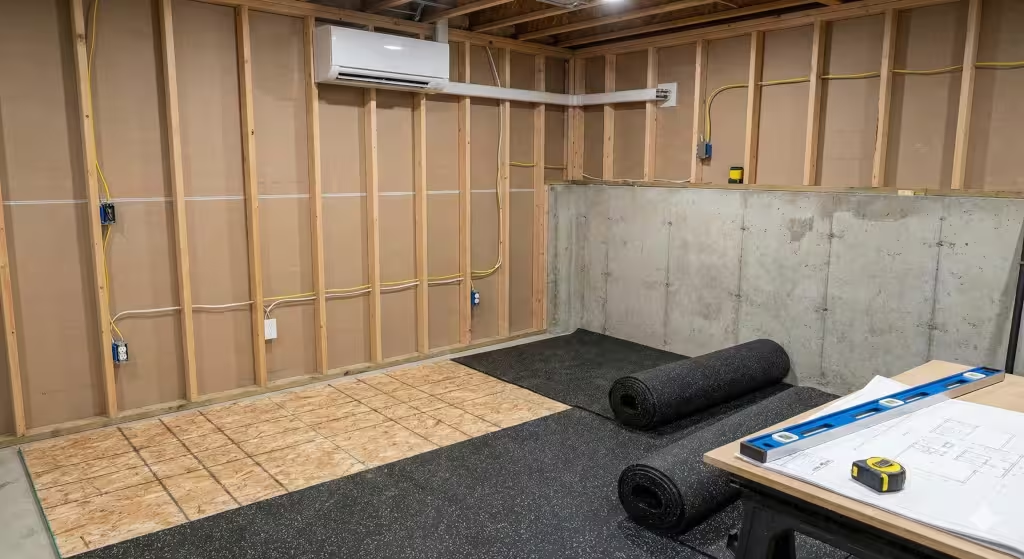
When I talk to clients about a home gym, I start with the parts you cannot see. With this we arre talking about the bones of the house. You cannot just put a thousand pounds of weights on a second-story floor without checking the math.
Standard house floors are usually built to hold about 40 pounds per square foot. That is fine for a bedroom with a bed and a dresser. But a home gym is different. If you have a heavy power rack and a set of weights, you might be putting a lot of pressure on just a few spots. If you are building a home gym on an upper floor, you might need to reinforce the floor joists. This keeps the floor from sagging or bouncing when you jump.
Air flow is another big thing to think about. When you work out in your home gym, you get hot and you breathe hard. This creates moisture in the air. If the room does not have good air flow, it will start to smell like a locker room. It can even lead to mold. I often suggest a mini-split HVAC system for a home gym. These units are great because they have their own thermostat. You can keep the rest of the house at one temperature and make your home gym nice and cool while you train.
Electrical power is also important. If you plan to have a big treadmill and a smart mirror or a large TV, you need to make sure your wires can handle it. Some high-power treadmills work best on their own circuit. This prevents them from tripping a breaker when you are in the middle of a run. In my work as a project manager, I always make sure the electrician knows exactly where the equipment will go.
Choosing the Right Materials for Your Space
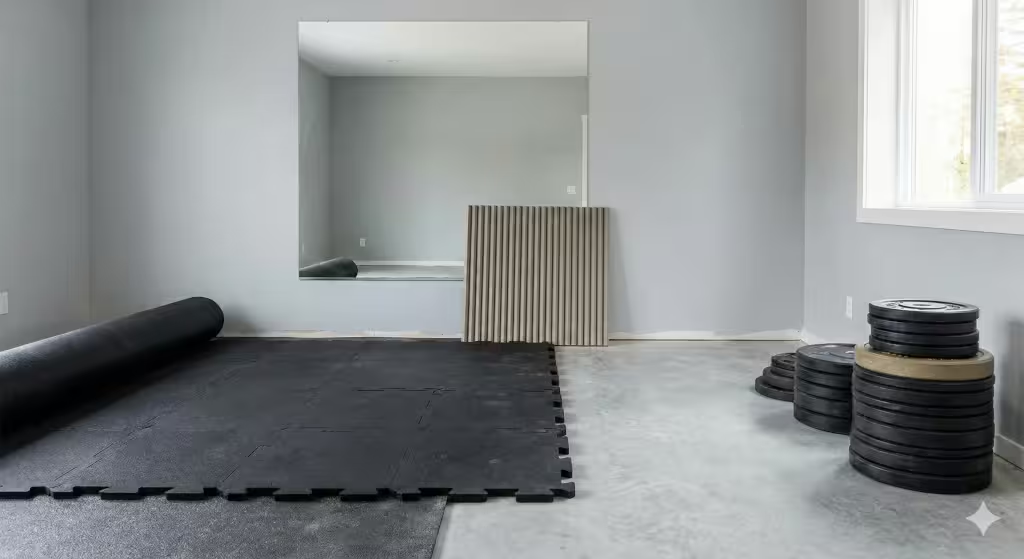
The materials you choose will make a big difference in how much you enjoy your home gym. The floor is the most important part. You want something that can take a beating and protect the house underneath.
Rubber flooring is the gold standard for a home gym. You can get it in tiles that lock together or in big rolls. Rolls are better for a dedicated room because they have fewer seams. This makes it harder for sweat or dirt to get under the mats. Good rubber flooring helps with sound, too. It muffles the noise of weights hitting the ground so you do not wake up the whole family.
For the walls, mirrors are more than just for looking at your muscles. In a home gym, mirrors help you keep your form correct so you do not get hurt. They also make a small room feel much bigger. I like to use thick, shatter-resistant mirrors that are bolted to the studs. This is much safer than just leaning a cheap mirror against the wall.
If you are worried about noise, you can use special drywall. There is a type called QuietRock that is much better at stopping sound than normal board. Using this in your home gym means you can blast your music or drop your weights without bothering people in the next room. It adds to the cost to build out a dedicated home gym, but most people find it is worth the money.
Picking the Best Equipment for Your Goals
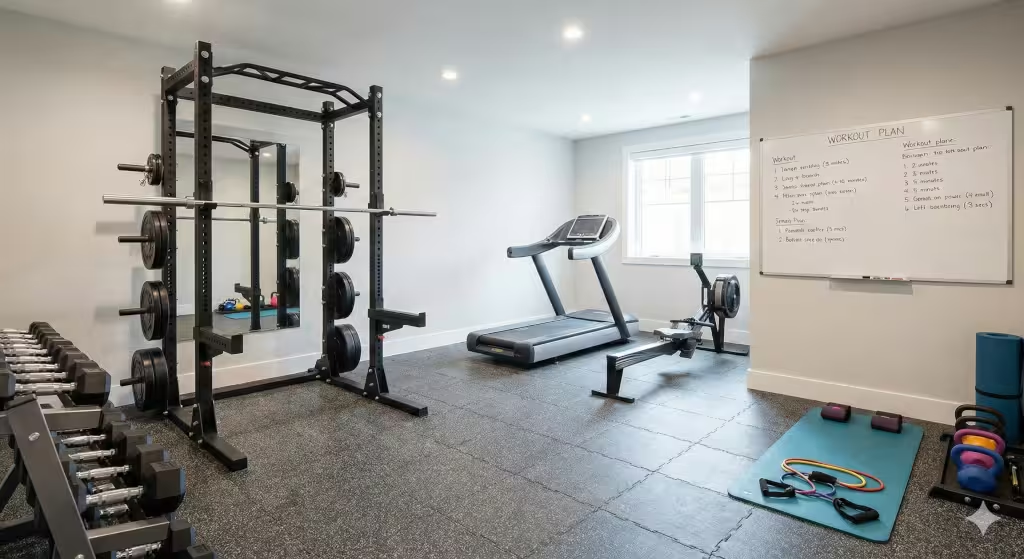
Once the room is ready, it is time to fill your home gym with gear. This is where the budget can really grow. In 2026, we have more choices than ever.
For strength training, a power rack is the centerpiece of many a home gym. It is a safe way to do squats and presses. You also need a high-quality barbell. As a builder, I always say that you should buy tools that last. A good barbell will never bend or rust if you treat it right. You can find used weights on places like Facebook Marketplace in Kingsport to save some money.
Cardio machines have changed a lot lately. Many people want smart machines like a Peloton or a high-tech rower. These are great for staying motivated in your home gym, but they often require a monthly fee for the classes. You should factor that into your long-term costs. If you prefer simple things, a high-end jump rope or a basic stationary bike can do the trick for much less money.
Do not forget about a recovery zone. A modern home gym often has a spot for stretching or even a small sauna. Many of my clients in Johnson City are now adding cold plunge tubs to their plans. These take up space and need a drain nearby, so it is best to plan for them early in the build.
Common Questions About Building a Home Gym
One of the most common questions I get is whether a home gym is cheaper than a gym membership. Let’s look at the numbers. If you pay $60 a month for a gym, that is $720 a year. If you spend $3,000 on a home gym, it takes about four years to pay for itself. But you also save money on gas and, more importantly, you save time. Most people find they work out more often when the gym is only twenty feet away.
Another question is how much space you really need. A small 10×10 bedroom can work for a basic home gym. If you want a full rack and a cardio machine, a 20×20 space like a two-car garage is much better. You want enough room to move around without hitting your head on the ceiling or tripping over a bench.
People also ask if a home gym adds value to their house. In our local market, a well-done home gym is a big plus. It shows that the house has been well-maintained and has modern features. However, it is important not to make it so custom that it cannot be turned back into a bedroom later. Using high-quality materials that look professional is the key to keeping your home’s value high.
Hidden Costs: Permits, Insurance, and Labor
When you are figuring out the cost to build out a dedicated home gym, do not forget the “hidden” fees. These are the things that do not show up on a store receipt.
If you are moving walls or adding new electricity, you will need a permit. In places like Johnson City or Kingsport, the city building office will want to see your plans. Permits can cost a few hundred dollars. They might seem like a pain, but they ensure your home gym is safe and built to code. This is very important when you go to sell your house later.
Insurance is another thing to think about. If you put $10,000 worth of equipment in your home gym, you should tell your insurance agent. You want to make sure your policy covers the new gear and any changes you made to the house. It usually does not cost much extra, but it gives you peace of mind.
Labor is often the biggest cost. If you hire a professional like me to manage the project, you are paying for expertise. A general contractor usually charges a percentage of the total job or an hourly rate. While you can do some things yourself, like painting, it is often better to hire a pro for the hard parts. A professional will make sure your home gym looks perfect and lasts for decades.
Planning Your Project for Success
Building a home gym is a big job, but it is very rewarding. As a builder with an engineering background, I always tell people to plan first and build second. Take the time to measure your space. Think about where your outlets need to be. Choose materials that are tough and easy to clean.
In the Tri-Cities, we value hard work and competence. We want things that are built to last. When you put that same spirit into your home gym, you end up with a space that inspires you every day. Whether you are doing a simple setup or a full-blown custom studio, doing it right the first time is the best way to save money.
Your home should be a place that helps you live your best life. A dedicated space for fitness is one of the best investments you can make. It saves you time, keeps you healthy, and adds a modern touch to your Tennessee home. I hope this guide has given you a clear picture of what it takes to get started.
Conclusion
The journey to your perfect home gym starts with a solid plan. By understanding the true cost to build out a dedicated home gym, you can avoid surprises and stay on budget. Remember to focus on the basics first, like flooring and air flow, before you buy the fancy equipment.
I have seen many people in Kingsport and Johnson City transform their lives by having a gym right at home. It removes all the excuses and makes health a priority. If you take your time and do the work with integrity, you will have a space you are proud of for years to come.
Bonus: A Budget Spreadsheet of Costs
As a professional home builder, I always say that a project is only as good as its budget. When you look at the cost to build out a dedicated home gym in 2026, you have to account for the rise in material prices and local labor rates here in the Tri-Cities.
Below is a detailed spreadsheet breakdown. I have divided this into three common project levels: a basic room conversion, a mid-range garage or basement transformation, and a high-end custom fitness suite. These prices reflect current 2026 estimates for the Johnson City, Kingsport, and Bristol markets.
2026 Home Gym Build-Out Budget (Tri-Cities, TN)
| Category | Basic Conversion (Spare Room) | Mid-Range Transformation (Garage/Basement) | High-End Custom Suite (Add-on/Full Reno) |
| Space Prep (Cleaning/Paint) | $300 – $600 | $800 – $1,500 | $2,500 – $5,000 |
| Flooring (Rubber/Specialty) | $600 – $1,200 | $1,500 – $3,500 | $4,500 – $8,000 |
| Electrical (Outlets/Circuits) | $200 – $500 | $800 – $1,800 | $2,500 – $4,500 |
| Lighting (LED/Task) | $150 – $400 | $600 – $1,200 | $2,000 – $4,000 |
| HVAC (Mini-Split/Ventilation) | $100 – $300 (Fans) | $3,500 – $5,500 (AC) | $6,000 – $10,000 (Full) |
| Wall Finishes (Mirrors/Sound) | $250 – $600 | $1,200 – $3,000 | $5,000 – $12,000 |
| Permits & Inspection Fees | $0 (Cosmetic) | $250 – $500 | $800 – $1,500 |
| Professional Labor/Fees | $0 (DIY mostly) | $2,000 – $5,000 | $8,000 – $15,000+ |
| Estimated Equipment Budget | $1,000 – $3,000 | $5,000 – $12,000 | $20,000 – $50,000 |
| TOTAL ESTIMATED COST | $2,600 – $6,900 | $15,650 – $34,000 | $50,800 – $110,000+ |
Detailed Breakdown of 2026 Costs
Understanding the Flooring Investment
In 2026, the price of rubber has remained high due to shipping and raw material costs. For a home gym in the Tri-Cities, we usually suggest 3/8 inch or 1/2 inch rubber rolls. In a basic setup, you might just buy a few 4×6 mats. But for a dedicated home gym, you want wall-to-wall coverage. This protects your concrete or wood subfloor. If you are doing a high-end build, we often install a “sleeper” floor system. This adds a layer of wood and foam under the rubber. It helps stop vibrations from traveling through the house when you drop a heavy barbell in your home gym.
Electrical and Smart Technology Requirements
Many people forget that a modern home gym is a high-tech space. If you want a smart treadmill, a rowing machine, and a wall-mounted “smart mirror” trainer, you are pulling a lot of power. A standard bedroom circuit is usually 15 amps. A high-end treadmill can pull almost that much by itself. If you turn on the treadmill and the lights at the same time, you might pop a breaker. For a mid-range or high-end home gym, I always include a new 20-amp dedicated circuit. This costs about $400 to $600 if your electrical panel is easy to reach.
HVAC and the Tennessee Climate
We live in a beautiful place, but our summers are humid. A home gym in a garage or basement will get very sticky without proper air care. A single-zone mini-split is the best choice for a home gym. It handles both the heat and the cooling. More importantly, it acts as a dehumidifier. This keeps your metal equipment from rusting. In 2026, a professionally installed Mitsubishi or Daikin unit in Johnson City will run you between $3,500 and $5,000 depending on the size of the room.
The Value of Professional Labor
While you can save money by doing the work yourself, a professional build adds a level of precision you cannot get otherwise. As a project manager, I make sure the mirrors are perfectly level and the floor seams are invisible. In the high-end tier, the cost includes architectural design and specialized acoustic engineering. This ensures that even if you are doing a heavy workout in your home gym, someone in the next room can sleep soundly.
Return on Investment (ROI) in the Tri-Cities
When we look at the local real estate market in 2026, a dedicated home gym is a major selling point. In neighborhoods like North Johnson City or the older parts of Kingsport, buyers are looking for homes that support a healthy lifestyle. A professional home gym conversion often sees a 60% to 70% return on the investment. This means if you spend $20,000, it might add $14,000 to the value of your home. But the real value is the time you save by not having to drive to a commercial health club every day.