Converting a screened porch to a four season room is one of the most rewarding projects you can undertake for your home. Here in East Tennessee, we have those beautiful spring days where the air smells like blooming dogwoods. We also have those humid July afternoons and those surprisingly chilly January mornings. For many of my neighbors, a screened porch is a lovely spot for about four or five months out of the year. But for the rest of the time, that screened porch just sits there, gathering dust and pollen.
If you are the heart of your home, you know how important every square inch of space is for your family. Maybe you need a quiet place to drink your coffee and watch the sunrise over the mountains. Perhaps you need a bright playroom for the kids where they can feel like they are outside without the mosquito bites. Or maybe you just want a cozy spot to read a book while the snow falls.
Our goal is to help you take that existing screened porch and turn it into a true four season room that feels like a natural part of your house. We are going to look at this through the lens of precision and care. We want to make sure your investment is handled with the same integrity we would use in my our own home. Let’s walk through how we can make this dream a reality for your family.
The Tri-Cities Lifestyle and Your Home
Living in the Tri-Cities area is a unique experience. We are surrounded by beauty, but we also deal with a lot of variety in our climate. A screened porch is a classic feature in many of our local neighborhoods. It offers a nice breeze and keeps the flies away during a summer barbecue. However, a screened porch has its limits. When the wind picks up or the rain blows sideways, the furniture gets wet. When the winter settles in, the screened porch becomes a cold, unused storage area.
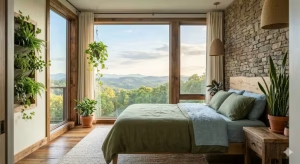
A four season room changes the way you live in your home. It is not just a porch with some windows. A true four season room is a fully conditioned living space. This means it has the same level of comfort as your living room or your kitchen. It is a place where you can sit in your pajamas in the middle of February and feel perfectly warm. It is a place where your plants can thrive all year long.
For a busy woman managing a household, having this extra sanctuary can be a lifesaver. It adds a sense of peace to the home. It also adds significant value. When we talk about home value in Tennessee, we look at “heated and cooled” square footage. By converting your screened porch, you are literally making your house bigger in the eyes of an appraiser.
Defining the Four Season Room
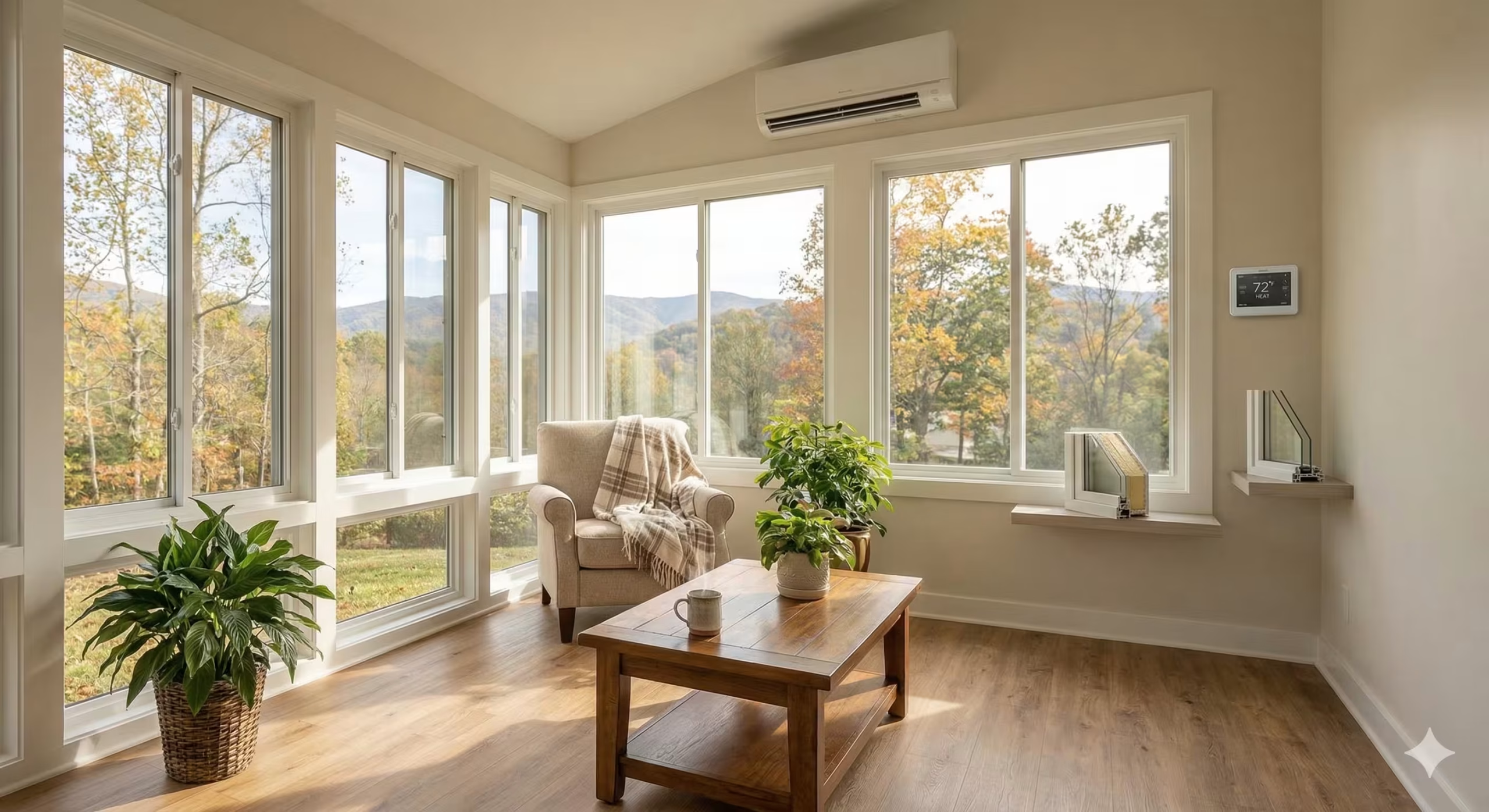
Before we pick up a hammer, we need to be very clear about what we are building. People often use terms like sunroom or three season room interchangeably with a four season room. From an engineering perspective, they are very different. A three season room is often built with single pane glass or even thick plastic. It might not be insulated, and it usually does not have a permanent heat source. It extends your porch season, but it will still be cold in the winter.
A four season room is a different beast entirely. It requires a full thermal envelope. This means the floor, walls, and ceiling must be insulated to meet modern building codes. It also must be integrated into your home’s heating and cooling system. When you step from your kitchen into your converted screened porch, the temperature should remain the same. This requires precision in how we seal the room and how we choose our materials. We are aiming for a space that is as sturdy and efficient as any other room in your house.
Evaluating the Engineering Foundation
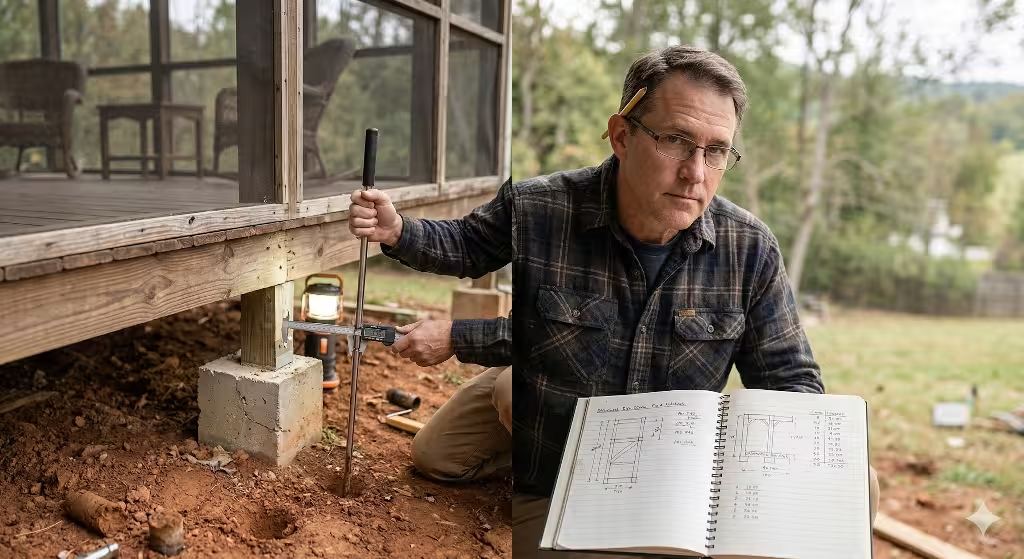
Everything in building starts with the foundation. Many people assume that since they already have a screened porch, the floor is ready for walls and glass. That is not always the case. A screened porch is a lightweight structure. It only has to support the weight of the roof, the screens, and maybe some patio furniture.
When you convert that screened porch into a four season room, you are adding a lot of weight. Double pane glass windows are heavy. Insulated wall frames and drywall add up quickly. We have to look at the footings under your porch. In Tennessee, footings must reach below the frost line to prevent the ground from shifting and cracking your new walls. If your screened porch was built on a simple concrete pad or light wooden piers, we might need to reinforce those areas. We want to make sure your new room does not sink or pull away from the main house over time.
Dealing with Moisture and the Floor
One of the biggest enemies of a comfortable home is moisture. Most screened porch floors are designed to let water run off. If it is a wooden deck style floor, there are gaps between the boards. If it is a concrete slab, it might be tilted slightly away from the house. When we seal this room up, we have to address this. We cannot simply build walls on top of a floor that lets cold air and dampness up from the ground.
If your screened porch is on a raised wooden frame, we need to install a vapor barrier on the ground underneath it. This prevents moisture from the soil from rising up and rotting your floor joists. We also need to insulate under the floorboards. Without floor insulation, your new room will always feel like an icebox in the winter. If your porch is on a concrete slab, we often build a “sleeper” floor on top of it. This involves laying down a moisture barrier, then small wooden strips, then insulation, and finally your subfloor. This creates a thermal break that keeps your feet warm.
Creating the Thermal Envelope
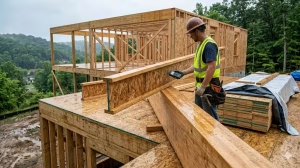
The thermal envelope is the barrier between your cozy indoor air and the outdoor weather. In a screened porch, there is no envelope. The air moves freely. To create a four season room, we have to build this barrier with great care. This starts with the framing. We take out the old screens and build traditional wall studs. This gives us a place to put insulation and run electrical wires.
Insulation is measured by something called R-value. The higher the R-value, the better the material resists heat flow. For our region in Tennessee, we want to make sure we are hitting the right numbers for walls and ceilings. Using high quality fiberglass batts or spray foam insulation is a must. If we skip this step or do it poorly, the room will be drafty. A drafty room is not a four season room; it is just an expensive closet. We want to be precise here so that your energy bills do not skyrocket once the room is finished.
Choosing the Right Windows
Since a four season room is usually mostly glass, the windows you choose are the most important part of the project. You want as much natural light as possible, but you do not want the room to turn into an oven in the summer. In the past, a screened porch just let the heat in. Now, we use technology to control it.
You should look for double pane windows with Low-E coating. Low-E stands for low emmissivity. It is a microscopically thin layer of metal on the glass that reflects heat. In the summer, it reflects the Tennessee sun away from your house. In the winter, it reflects your indoor heat back into the room. This keeps the temperature stable. You also want windows that are filled with argon gas between the panes. This gas acts as an extra layer of insulation. Choosing high quality windows is a point where I always tell my clients not to cut corners. It is the difference between a room you love and a room you regret.
Air Sealing and Integrity
Even with the best insulation and windows, a room can feel cold if air is leaking in. When we convert a screened porch, we have to pay extra attention to the corners and the joints. This is where the new walls meet the old house. We use professional grade sealants and flashing to make sure no air or water can get inside.
We like to think of this like a winter coat. If the coat is thick but the zipper is broken, you are still going to be cold. Air sealing is like fixing that zipper. We go around every window frame and every floor plate with caulk or expanding foam. This level of precision ensures that the room stays quiet and comfortable. It also keeps out the Tennessee dust and pollen that used to coat everything on your screened porch. For a woman who takes pride in a clean and healthy home, this is a major benefit.
Climate Control Strategies
Once the room is sealed and insulated, we have to decide how to keep it at the right temperature. You have a few options here. Some people choose to extend their existing home HVAC ductwork into the new room. This can work if your current system is big enough to handle the extra space. However, it can sometimes be difficult to run large metal ducts into a space that was once a screened porch without lowering the ceiling too much.
A very popular choice in our area is a ductless mini split system. This is a small unit that hangs on the wall and provides both heating and cooling. It has its own thermostat, so you can keep the four season room at a different temperature than the rest of the house. This is very efficient because you only heat or cool the room when you are using it. It is also very quiet, which is great if you plan to use the room for relaxing or as a home office.
Flooring and Comfort
The floor of your new room should be both beautiful and functional. Since this space was once a screened porch, the floor might be the coldest part of the room. I mentioned insulation earlier, but the finish material matters too. Many of my neighbors love the look of tile or stone. While these are durable, they can be very cold on the feet in the winter.
If you choose tile, we highly recommend installing a radiant heating system underneath it. These are thin electric mats that go under the tile and warm it up. There is nothing quite like stepping onto a warm floor on a snowy morning in Johnson City. If you prefer a softer feel, luxury vinyl plank or LVP is a great choice. It is water resistant, very durable, and feels much warmer than stone. It also comes in many styles that can match the rest of your home.
Interior Design and Aesthetics
Now we get to the fun part. Making the room look like it belongs. When a screened porch is converted, some people make the mistake of leaving the old exterior house siding on the inner wall. To make it a true four season room, we should cover that with drywall or beautiful wood paneling. This makes the space feel like an integral part of the home’s interior.
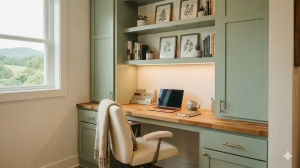
Think about how you want to use the space. Do you want built in bookshelves? Maybe a window seat where you can sit and watch the birds? You should also consider the trim and molding. By matching the baseboards and window casings to the rest of your house, the transition from the old space to the new space becomes seamless. It should not look like an add on. It should look like it was always meant to be there.
Lighting and Electrical Planning
Since your old screened porch probably only had one or two outlets and maybe a ceiling fan, we need to upgrade the electrical system. A modern four season room needs plenty of outlets for lamps, computers, and phone chargers. You should also think about your lighting layers.
Recessed “can” lights in the ceiling provide great general light. A stylish ceiling fan is still a good idea for those days when you want to move some air around. You might even want to add some wall sconces for a cozy evening glow. Precision in planning your electrical needs now will save you from having extension cords running across your beautiful new floor later. We also have to make sure everything is up to the current National Electrical Code for safety.
Exterior Integration
The outside of your home matters just as much as the inside. When we finish the conversion, the exterior of the new room should match your house perfectly. If your home has brick, we look for matching brick or a complementary stone. If you have siding, we find the exact color and profile.
The roofline is also a key factor. Most screened porch roofs are already tied into the house, but we may need to update the shingles or the metal roofing to match the rest of the home. We also look at the gutters and downspouts. We want to make sure water is being moved away from the new foundation effectively. A well integrated exterior tells the world that you care about the quality and integrity of your home.
Permitting in Sullivan and Washington Counties
This is a technical part of the job that many people overlook. In the Tri-Cities, whether you are in Kingsport, Johnson City, or Bristol, you need a building permit for this kind of work. Because you are changing the use of the space from a screened porch to a habitable room, the city or county wants to make sure it is safe.
They will want to see plans that show the foundation is strong enough. They will check to make sure the electrical work is done by a licensed pro. They will also verify that you have the right amount of insulation. While paperwork can be a headache, these codes are there to protect you and your family. Following the rules ensures that when you go to sell your home someday, the extra square footage is legally recognized and adds to your asking price.
Zoning and Setbacks
Before you start building, you also have to check on your property lines. Every lot has “setbacks,” which are areas where you are not allowed to build. Usually, a screened porch is already within these lines. However, if you plan to expand the footprint of the porch during the conversion, you have to be careful.
You should also check with your Homeowners Association or HOA if you have one. They often have specific rules about what materials you can use on the outside of your home. As an INTJ, I like to have all these facts lined up before we even buy the first piece of lumber. It prevents expensive mistakes and delays.
A Question Answered about Turning a Screened Porch to a Four Season Room
People often ask if it is cheaper to convert a screened porch or build a whole new addition. Generally, converting a screened porch is much more affordable. You already have the roof and the basic structure in place. This can save you a significant amount of money in labor and materials. You are basically finishing a space that is already there.
In terms of value, a four season room is a winner. A screened porch is a nice feature, but it doesn’t count toward your home’s total square footage in a formal appraisal. Once it is heated, cooled, and finished to the same standard as your house, it becomes living space. In our local market, adding 200 or 300 square feet of living space can add thousands of dollars to your home’s value. It is a smart financial move as well as a lifestyle one.
Managing the Construction Process
If you are overseeing this project, communication is your best tool. You want to work with a contractor who understands the precision required for a conversion. It is not just about “slapping some windows in.” Ask them about how they plan to handle the floor insulation and the moisture barrier. Ask them about the HVAC plan.
A good project manager will keep the site clean and respect your home. Since this work is happening right on the side of your house, there will be some noise and dust. However, because we are not doing a full “ground-up” build, the process is usually much faster. A typical conversion might take a few weeks rather than a few months.
Maintenance of Your New Room
Once your room is finished, it is very easy to take care of. Since it is now a sealed part of your home, you won’t have to power wash the floor or scrub pollen off the furniture every spring. You just clean it like any other room in your house.
The main thing to keep an eye on is the windows. Keeping the tracks clean will ensure they open and close smoothly for years. You should also change the filter on your mini split or HVAC system regularly. This keeps the air fresh and the equipment running efficiently. With a little care, your converted screened porch will stay beautiful for decades.
Choosing Furniture for a Four Season Room
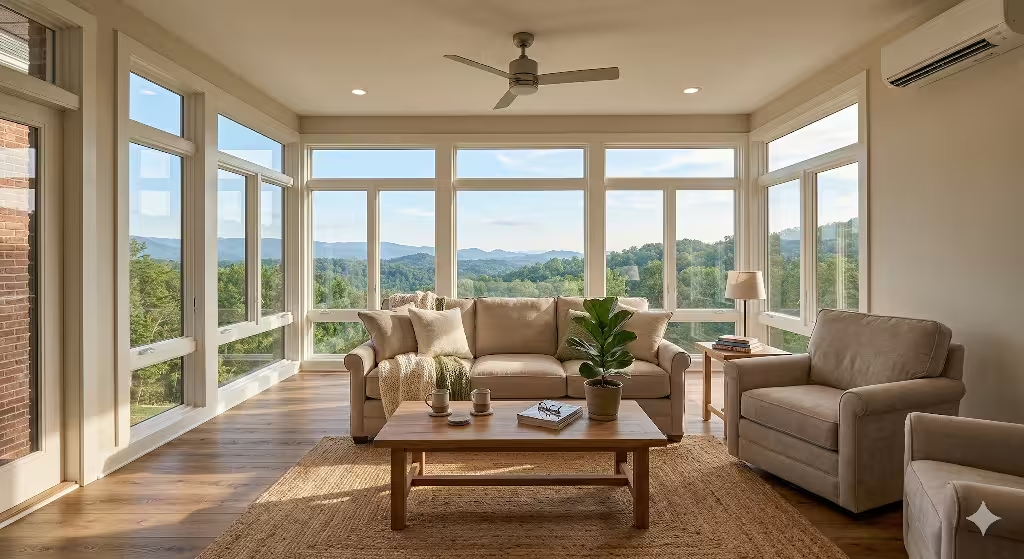
When you had a screened porch, you probably had to use outdoor furniture made of plastic, metal, or treated wood. Now that the room is protected from the weather, you can use anything you like. You can bring in comfortable fabric sofas, wooden coffee tables, and soft rugs.
Because the room has so many windows, you might want to choose fabrics that are resistant to fading from the sun. Even with Low-E glass, constant sunlight can be tough on dark colors. Light, airy colors often look best in these bright spaces. They make the room feel even larger and more connected to the outdoors.
The Importance of Professional Guidance
While some parts of a home project can be handled by a handy homeowner, converting a screened porch is a big task. Dealing with structural loads and electrical codes requires professional knowledge. I always suggest at least consulting with an engineer or a high quality builder before you begin.
They can spot potential problems with your foundation or roofline that you might miss. It is much cheaper to fix a plan on paper than it is to fix a mistake in wood and concrete. My value of competence means I believe in doing it right the first time. Your home is your biggest asset, and it deserves that level of respect.
A New Chapter for Your Home
Taking the step to convert your screened porch into a four season room is an exciting journey. It is about more than just construction; it is about creating a space where your family can grow and make memories. Whether you are in a historic home in Kingsport or a new development in Johnson City, this upgrade brings a touch of luxury and a lot of practical value.
By focusing on precision, choosing the right materials, and following local codes, you ensure that your new room will be a source of joy for a long time. You are turning a part-time porch into a full-time sanctuary. I hope this guide has given you the confidence and the information you need to start this process. Your home is the heart of your life, and making it more comfortable is always a worthy goal.