In the Tri-Cities of TN homes are more than just a place to sleep. They should be a place where your family feels safe and happy. Today, we want to talk about something very special. It is about a project that brings the whole family together, from the smallest toddlers to our most respected seniors. We are diving into how to choose the best plants for sensory gardens that serve both kids and seniors.
People often focus only on the kitchen or the master bedroom. But the land around your house is a big part of your living space. Creating sensory gardens is a wonderful way to make your property work for you. These spaces use plants and structures to wake up our five senses: sight, smell, touch, sound, and taste. For a grandmother who might be dealing with memory loss, the smell of a certain flower can bring back a happy memory of her own childhood. For a child, feeling the fuzzy leaf of a plant can spark a love for nature that lasts a lifetime.
We want to show you how to design these spaces right here in our climate. Whether you are building a new custom home or just want to make your current backyard more inviting, this guide will help. We will look at the best plants, how to keep everyone safe, and how to build paths that work for strollers and wheelchairs alike. Let’s look at how we can create a little bit of magic right in your own backyard.
The Power of a Multi Generational Sensory Garden
When we talk about sensory gardens, we are talking about a space that is built for people. Many gardens are just meant to be looked at from a window. A sensory garden is different. It is meant to be touched, smelled, and lived in. For our seniors, these areas can be a form of therapy. It helps with staying active and can even help with feelings of sadness or confusion. For children, it is like a giant, living classroom. They learn about how things grow and how to be gentle with living things.
In the Tri Cities area, we have a climate that allows for many different kinds of plants. We live in a place where we get all four seasons, which means sensory gardens can change and offer new things all year long. A good garden for both kids and seniors needs to be easy to get around and safe. It should have places to sit in the shade and paths that don’t have many bumps. By focusing on the five senses, we can make a garden that everyone loves.
Sight: A Feast of Color and Motion
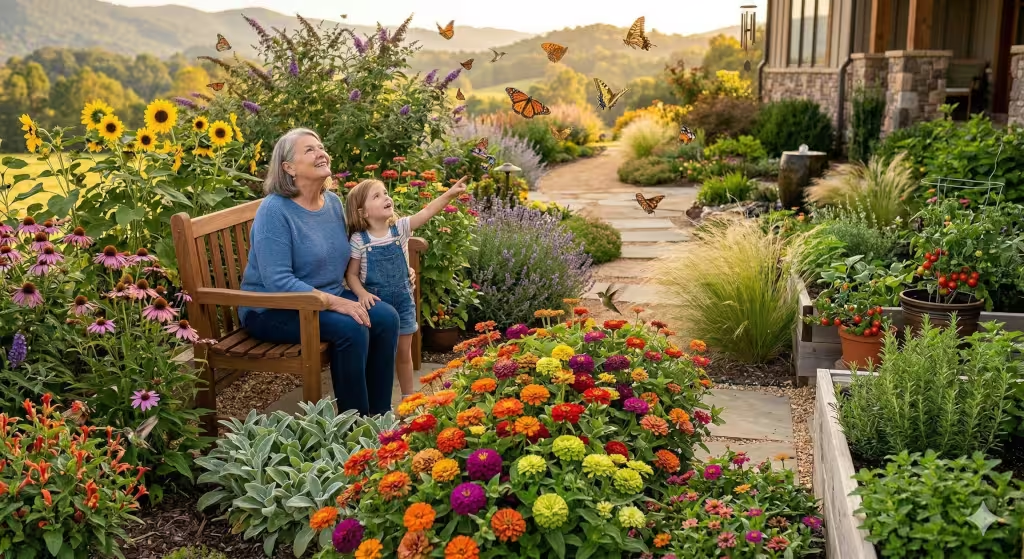
The first thing people notice in sensory gardens is what they see. For seniors who may have failing eyesight, bright and bold colors are best. Yellows, oranges, and bright reds stand out more than soft blues or purples. Sunflowers are a great choice for this. They grow tall and have huge, bright faces that follow the sun. Kids love them because they look like something out of a storybook.
We should also think about motion. Sensory gardens are not static. Planting things like Butterfly Bush or Milkweed will bring in butterflies. Watching a bright orange Monarch butterfly land on a flower is a visual treat for everyone. It gives the garden a sense of life. We can also use plants that change color with the seasons. Here in Tennessee, we can plant Red Twig Dogwood. In the winter, when everything else is brown, its bright red stems look beautiful against the snow or gray sky. This helps seniors keep track of the seasons, which is very helpful for those with memory issues.
Another trick for sight is to use contrast. Putting a dark purple plant next to a bright lime green one makes both of them pop. This makes the garden easier to navigate for someone who has trouble seeing where one plant ends and another begins. It also makes the space look professional and well designed.
Smell: Scent as a Time Machine
Smell is one of our strongest senses. It is linked directly to the part of the brain that holds onto memories. This is why sensory gardens are so powerful for seniors. The smell of a gardenia or a lilac can instantly take someone back to their wedding day or their mother’s kitchen. For kids, scents are just fun. They love plants that smell like things they know, like Mint or even “Chocolate” Cosmos, which really does smell a bit like cocoa.
When choosing plants for scent, we have to be careful not to make it too strong. Too many heavy smells in one small area can be overwhelming. It is better to spread them out. Put Lavender near a bench where someone can sit and relax. Lavender is known for helping people feel calm and sleepy, which is great for both a busy toddler and a senior who might feel anxious.
Interactive scents are the best for kids. These are plants that only smell when you rub the leaves. Scented Geraniums are perfect for this. You can find them in scents like lemon, lime, and even peppermint. It teaches kids to interact with the plants gently. In our area, Mock Orange is another great shrub. It smells like citrus and grows very well in our Tennessee soil.
Touch: Textures That Invite Interaction
A big rule in most gardens is “don’t touch.” In sensory gardens, the rule is “please touch!” This is where we choose plants with interesting textures. Lamb’s Ear is the number one choice here. Its leaves are thick and feel exactly like a soft, fuzzy ear of a lamb. Both kids and seniors find it very soothing to pet these leaves.
We can also look for plants that feel different. Strawflowers have petals that feel dry and papery, even when they are still growing. Silver Mound Artemisia feels like a soft, cool cloud. These different textures help children learn new words to describe what they feel. For seniors, it keeps their hands active and provides a tactile way to connect with the world.
Safety is very important when we talk about touch. We must avoid plants with thorns or prickly leaves. Even though roses are beautiful, they can be dangerous in sensory gardens for kids and seniors. If you really want roses, look for thornless varieties. We should also avoid plants that might irritate the skin. It is our job to make sure the garden is a soft and safe place to explore.
Sound: The Music of the Wind
We often forget about our ears when we think of a garden, but sound adds so much. Sensory gardens should have a “voice.” This can come from the plants themselves or from the things we add to the space. Ornamental grasses are wonderful for this. When the wind blows through the Tennessee valley, these grasses make a soft rustling sound that is very peaceful.
Bamboo is another plant that makes a great sound. When the stalks hit each other, they make a hollow, wooden clattering sound. However, be careful with bamboo, as it can spread very fast. It is best to keep it in a large pot. We can also plant things that attract birds. The sound of a chickadee or a cardinal singing is one of the best parts of living in the Tri Cities.
If the garden is near a noisy road, we can use sound to mask the traffic. A small water fountain or a bubbler can create the sound of running water. This “white noise” helps seniors focus on the garden and can be very calming for children who might be sensitive to loud noises. Even the sound of your feet on a gravel path is part of the experience. It tells your brain where you are and what you are doing.
Taste: The Edible Sensory Experience
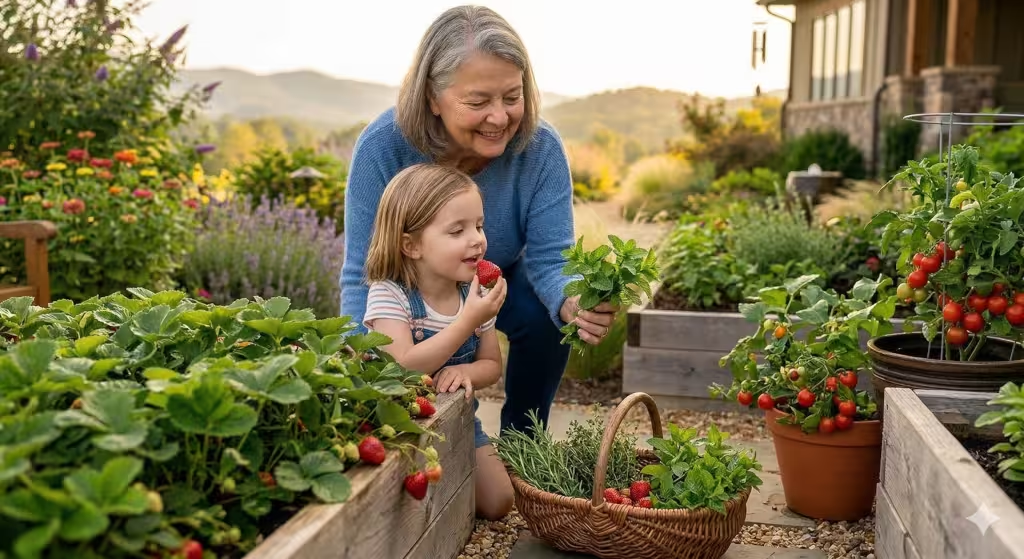
Nothing beats the taste of something fresh from the dirt. In sensory gardens, having an edible section is a big hit. For seniors, it might be the taste of a heritage tomato that reminds them of the gardens they kept years ago. For kids, it’s the magic of seeing a tiny seed turn into something they can eat.
Strawberries are perfect for the front of a garden bed. They are easy to reach and taste much better than the ones from the store. We can also plant herbs like Basil, Rosemary, and Chives. Rosemary is especially good because it has a strong smell and a unique texture, too. It’s a triple threat for the senses!
We must be very clear about what is safe to eat and what is not. In sensory gardens, I like to use different colored pots or specific raised beds for the “tasting zone.” This helps everyone know that they should only eat from that specific spot. It’s a good way to teach kids about safety while still letting them enjoy the “fruits” of their labor.
Designing for Seniors: Accessibility and Comfort
When I design homes for seniors, I think about how they move. The same goes for the outdoors. Sensory gardens for seniors need to be easy to use. This means the paths should be wide and flat. We want to avoid any tripping hazards like loose stones or roots. A width of at least five feet is good because it allows a wheelchair and a walking partner to move side by side.
One of the best layouts for seniors, especially those with dementia, is the figure-eight path. This design allows someone to keep walking without ever hitting a “dead end.” Dead ends can be confusing and frustrating for people with memory loss. A continuous path feels like a journey that always brings you back home.
Raised beds are also a must. We don’t want our seniors having to bend all the way down to the ground. Building beds that are about two to three feet high allows someone to garden while sitting in a chair or standing comfortably. We should also make sure there is plenty of seating. Sturdy benches with armrests are best because they make it easier for someone to sit down and stand back up.
Designing for Kids: Play and Discovery
For the little ones, sensory gardens are all about play. We want to create “rooms” or “secret spots” where they can explore. A “sunflower house” is a great idea. You plant sunflowers in a big circle, leaving a small gap for a door. Once they grow tall, the kids have a living fort to play in.
We should also think about the heights of the plants. Since kids are closer to the ground, we want to put the most interesting textures and smells where they can reach them. A “petting zoo” of plants like Lamb’s Ear and Moss is perfect for a low border.
Sensory gardens are also great for kids with special needs. For children with autism, the world can sometimes feel too loud or too bright. A garden can be a “reset” button. We can create “quiet zones” with soft colors and calming sounds where a child can go if they feel overwhelmed. It’s about giving them control over what they experience.
Safety First: Plants to Avoid in the Tri Cities
It is best to keep in mind that not all plants are friends. In sensory gardens, safety is our top priority. There are many plants common in Tennessee that can be toxic if eaten or can cause skin rashes. Since we want kids and seniors to interact with everything, we have to keep these out.
Avoid plants like Foxglove and Lily of the Valley. They are beautiful but can be very dangerous if a child decides to taste them. We should also stay away from Azaleas and Rhododendrons in the main interactive areas. While they are a staple of East Tennessee, they are toxic if swallowed.
I also suggest avoiding plants that attract a lot of bees right next to the seating areas. While we want pollinators in the garden, we don’t want someone getting stung while they are trying to relax. It’s all about balance. We can put the bee-loving flowers a little further away and keep the touchable, non-toxic plants right within reach.
Building the Garden
If you are thinking about adding sensory gardens to your property, start with a plan. Think about where the sun hits your yard during the day. Most of the plants we talked about like a lot of sun, but you also need shade for the people. Using a pergola or a large shade tree like a Red Maple can provide a cool spot to rest. Also keep in mind the deer.
Think about the water. You don’t want to be dragging a heavy hose all over the place. Installing a simple drip irrigation system or having water spigots close to your raised beds will make maintenance much easier. As we get older, we want to work smarter, not harder.
Lastly, consider the materials for your paths. In the Tri Cities, we have a lot of hills. If your yard isn’t flat, you might need to do some grading to make sure the paths are safe. Using a non-slip material like brushed concrete or tightly packed fine gravel is better than loose mulch, which can be hard for wheelchairs or walkers to push through.
The Mental Benefits of Sensory Gardens
We know that being outside is good for us, but sensory gardens take it a step further. Research shows that looking at green spaces can lower our heart rate and help us feel less stressed. For seniors, gardening can help maintain their strength and flexibility. It gives them a sense of purpose. Instead of being “cared for,” they are the ones “caring for” the plants.
For kids, it helps with “sensory integration.” This is a fancy way of saying it helps their brains learn how to handle all the information coming in from their eyes, ears, and hands. It builds confidence. When a child successfully grows a giant pumpkin or a beautiful flower, they feel like they can do anything.
In our fast-paced world, sensory gardens offer a place to slow down. There are no screens or loud noises. It is just you and the earth. This is something every family in Johnson City, Kingsport, and Bristol can benefit from. It brings us back to what is important: our health and our loved ones.
Seasonal Interest in Tennessee Sensory Gardens
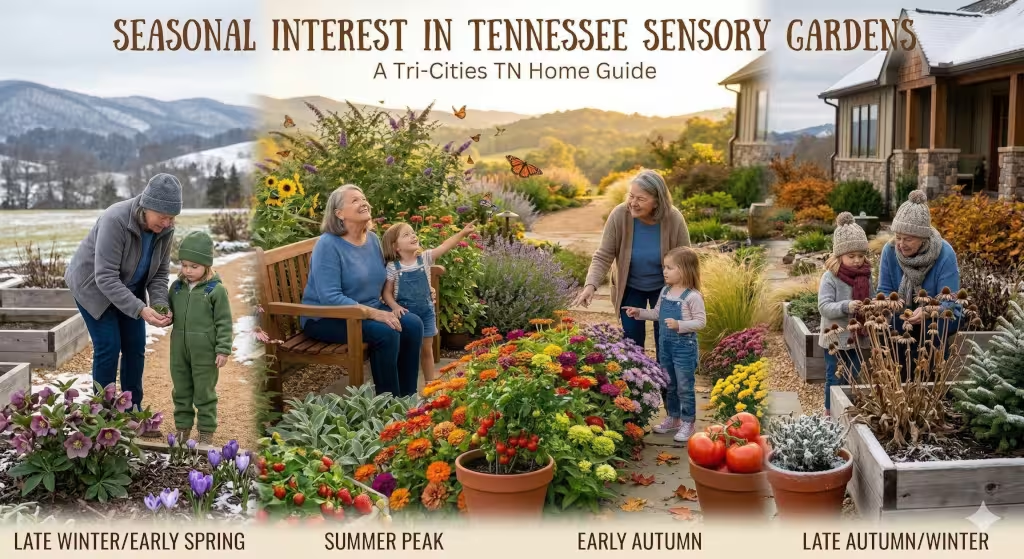
Our region has beautiful changes in the weather. A good garden should reflect that. In the spring, we can have the bright colors of Tulips and the sweet smell of Lilacs. Spring is a time of high energy, which is great for kids who are excited to get back outside after winter.
In the summer, the garden is in full swing. This is when the sensory gardens are most active with butterflies, hummingbirds, and the taste of fresh vegetables. It’s a great time for family cookouts where you can pick your own herbs for the grill.
Fall brings a change in pace. The rustling of dry leaves and the bright oranges of Marigolds and Mums create a different mood. It is a time for reflection. In the winter, we focus on the structure. The sound of wind chimes and the sight of evergreen trees like Holly (keep the berries away from kids!) keep the garden alive even when it’s cold.
Creating a Sensory Garden on a Budget
You don’t have to spend a fortune to have a beautiful space. You can start small. Even a few large pots on a patio can be sensory gardens. You can pick one pot for smell, one for touch, and one for taste. This is a great way to test out which plants your family likes best before you commit to a big project.
Buying seeds is much cheaper than buying full grown plants. This is also a great activity for kids. They can see the whole life cycle of the plant. You can also trade plants with neighbors. Here in East Tennessee, people are very friendly and often happy to share “starts” from their own gardens.
Using recycled materials for your raised beds can also save money. Old cedar boards or even large stones from your property can be used to build borders. Just make sure the wood hasn’t been treated with chemicals that could leak into the soil, especially if you are growing food.
Encouraging Wildlife in Your Garden
A sensory garden without life feels empty. We can choose plants that invite our local wildlife to join us. Bird feeders are a simple addition that provides hours of entertainment for seniors. Watching the different kinds of birds that visit can be a great daily routine.
To help the bees and butterflies, we should avoid using harsh chemicals. Natural gardening is better for everyone’s health, especially for kids who are touching the leaves and seniors who might be more sensitive to fumes. Using compost instead of chemical fertilizers will make your soil healthy and your plants strong.
We can also add a small bird bath. The sight of a bird splashing in the water and the sound of the ripples add a lot to the space. It’s a simple way to make your sensory gardens feel like a part of the larger ecosystem of our beautiful Appalachian home.
Shared Activities for Kids and Seniors
The best thing about sensory gardens is that they are a place for people to be together. There are many simple jobs that a grandchild and a grandparent can do together. Watering the plants is a favorite for kids, and it’s an easy job for seniors, too.
Deadheading flowers (which means picking off the old, faded blooms) is another great task. It keeps the plants looking good and encourages more flowers to grow. It’s a gentle way to spend an afternoon talking and enjoying the fresh air.
You can also have “harvest days” where everyone works together to pick the tomatoes or strawberries. Afterward, you can go inside and make a snack with what you’ve found. This creates a full circle of experience, from planting to eating. It builds bonds that last a lifetime.
The Legal and Development Side of Gardens
To be precise, we have to mention the “rules.” Before you start digging or building large raised beds, check with your local codes in Johnson City or Kingsport. If you live in a neighborhood with a Homeowners Association (HOA), you might need to get your plan approved.
It’s also important to know where your utility lines are. Always call before you dig! We want this to be a happy project, not one that causes a power outage. If you are building a new home, talk to your builder about including the layout for sensory gardens in the initial landscape plan. It is much easier to put in the wide paths and irrigation during construction than it is to add them later.
Legal aspects also include making sure your sensory garden is safe for visitors. If you are building this for a public space or a care home, there are specific ADA (Americans with Disabilities Act) rules you must follow. But even for a private home, following those rules is a good idea to make sure the space is as accessible as possible.
Maintenance Tips for a Stress Free Garden
We always advise people that a sensory garden should be a joy, not a chore. To keep your sensory gardens from becoming too much work, choose “hardy” plants. These are plants that are native to Tennessee or are known for being tough. They won’t need as much water or special care.
Mulching is your best friend. A good layer of mulch keeps weeds down and holds moisture in the soil. This means less weeding and less watering for you. For kids, you can even use colored mulch to mark different sensory zones.
Don’t be afraid to change things. If a plant isn’t doing well or if no one seems to like it, pull it out and try something else. Gardens are living things, and they change as your family grows. What worked when the kids were toddlers might need to change as they become teenagers.
A Gift for Your Family
Building sensory gardens is one of the best things you can do for your home and your family. It is an investment in your health and your happiness. By choosing the right plants for our East Tennessee climate and focusing on the needs of both kids and seniors, you can create a space that is truly special.
I’ve seen how these gardens can transform a backyard. They become the heart of the home, a place where memories are made and stress is left at the gate. Whether you are feeling the soft leaves of a Lamb’s Ear or listening to the wind in the grasses, you are connecting with nature in a way that heals and inspires.
I hope this guide has given you the ideas you need to get started. Our area is a wonderful place to live, and having a garden that celebrates our senses makes it even better. Remember to focus on safety, accessibility, and, most of all, fun.
Would you like me to create a specific list of non-toxic, kid-safe plants that are native to the Tri Cities so you can take it to your local nursery?