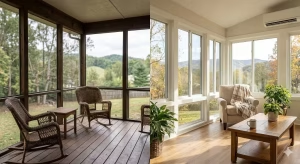
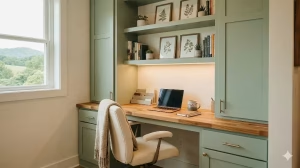
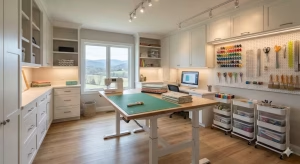
If you have spent time reading this blog, you know that we spend lot of time thinking about how houses affect the people who live in them. We often talk about the “bones” of a house, like the wood and the wires. But a home is more than just a structure. It is a place where you grow, where you raise a family, and most importantly, where you rest.
Lately, we have seen a big shift in what people want. Many couples, especially women, in Johnson City and Kingsport are looking for more than just a pretty room. They want a sanctuary. They want a space that helps them feel calm after a long day of work or taking care of the kids. This is where the idea of a biophilic bedroom comes in. It sounds like a big, fancy word, but it just means a room that connects you back to nature. It just helps our community live better. Let’s look at how we can use the natural world to make your home a true place of peace.
The Intersection of Engineering and Nature
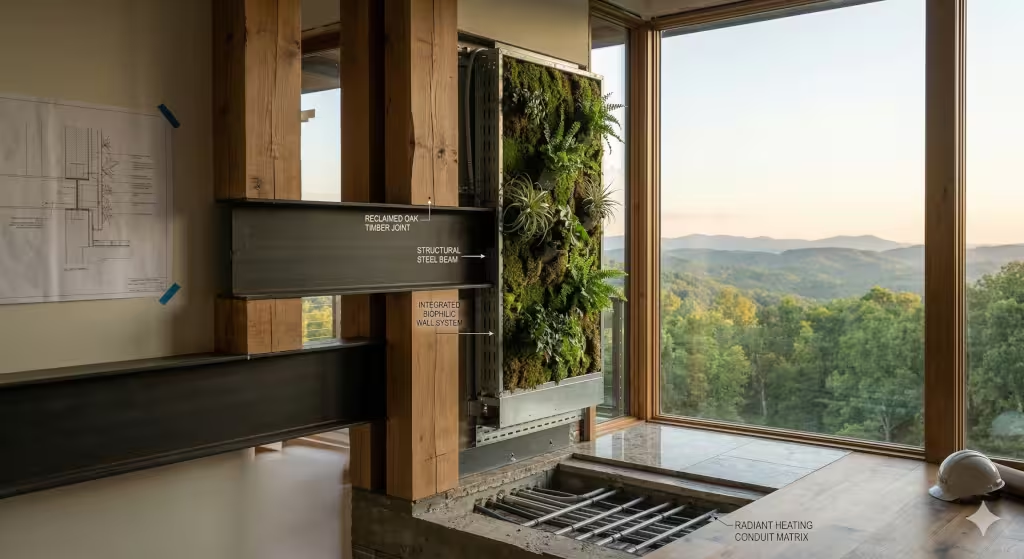
When most people think of a bedroom, they think of a mattress, some pillows, and maybe a nightstand. But when we look at a biophilic bedroom, we see a complex system designed for human recovery. Engineering is all about solving problems, and one of the biggest problems we face today is a lack of high-quality sleep. By using the principles of biophilia, we can engineer a room that actually helps the body heal itself.
The Building Envelope
In the home building industry, we focus a lot on the building envelope. This is the shell of the house that keeps the weather out. In a biophilic bedroom, we want that envelope to be smart. Instead of just blocking everything out, we want to let the right things in. For example, the placement of a window is a technical decision. We look at the angle of the sun during different seasons. We want the morning light to hit the walls of your biophilic bedroom in a way that gently wakes you up. This is not just a design choice; it is a way to sync your internal clock with the rotation of the earth.
The Control of Sound
Another part of the engineering side is sound control. In a biophilic bedroom, we can use natural materials to manage noise. Standard drywall reflects sound and can make a room feel cold or loud. But if we use wood paneling or cork on a focal wall in your biophilic bedroom, those natural fibers absorb sound waves. This creates a “quiet zone” that feels physically different when you walk into it. It is like the difference between standing on a concrete sidewalk and walking into a deep forest in the Cherokee National Forest. Your ears relax because the engineering of the space is dampening the harsh noises of the world.
Thermal Comfort
Thermal comfort is another area where engineering meets nature. Our bodies sleep best when the room is cool, usually around 65 to 68 degrees. In a biophilic bedroom, we can use materials that have “thermal mass.” This means they can hold onto coolness or heat. Stone or heavy timber in a biophilic bedroom can help keep the temperature steady throughout the night. This prevents those annoying moments where you wake up too hot or too cold. By engineering the room to hold a steady temperature, we are using the natural properties of the earth to keep you comfortable.
Providing a Sense of “Prospect and Refuge”
Finally, we look at the layout of the biophilic bedroom through a concept called “prospect and refuge.” This is an old idea from evolutionary biology that engineers still use today. Humans feel safest when they have a clear view of their surroundings (prospect) but feel protected from behind (refuge).
When a buyer wants to set up a biophilic bedroom, we have to make sure the bed is placed so they can see the door and the window, but the head of the bed is against a solid, sturdy wall. This satisfies a very deep, primal need for safety. When your brain feels safe because of the layout of your biophilic bedroom, it can finally let go and fall into a deep sleep.
It is this balance of precision and natural beauty that makes a biophilic bedroom so effective. We are not just decorating; we are building a machine for resting. We use our knowledge of physics, biology, and local Tennessee materials to create a sanctuary that works on every level. It is about having the integrity to build things right so that the people inside can live their best lives.
The Science of Sleep and Biophilia
To understand why a biophilic bedroom works, we have to look at what happens inside your brain when you close your eyes. We are not just turning off a light switch. Sleep is an active process where your brain cleans itself out and your body repairs its tissues. For this to happen properly, your nervous system needs to feel completely safe. This is where a biophilic bedroom becomes a powerful tool.
Management of Stress Hormones
The first scientific pillar of a biophilic bedroom is the management of stress hormones. Throughout the day, our bodies produce cortisol. This is the “stress hormone” that helps us stay alert and deal with problems. When the sun goes down, our cortisol levels are supposed to drop, and our melatonin levels are supposed to rise. Melatonin is what tells your body it is time to sleep. However, modern life is full of things that keep our cortisol high, like blue light from phones and the noise of traffic.
A biophilic bedroom uses natural elements to manually lower that cortisol. Research shows that just looking at wood grain or plants in a biophilic bedroom can lower your heart rate in as little as three minutes. When your heart rate slows down, your brain gets the signal that it is safe to stop producing cortisol and start producing melatonin.
Using Fractals in your Bedroom
Another fascinating part of the science behind a biophilic bedroom is the concept of fractals. Fractals are patterns that repeat at different scales. You see them in the branches of a tree, the veins of a leaf, or the jagged peaks of the Smoky Mountains. Our human eyes are naturally wired to process these patterns very easily. When you are in a room with flat, white walls and sharp, plastic edges, your brain actually has to work harder to make sense of the space.
In a biophilic bedroom, we bring in these natural fractals through wood grain, stone patterns, and the shapes of leaves. This reduces the “cognitive load” on your brain. When your brain does not have to work as hard to process its surroundings, it can relax much faster. This is why a biophilic bedroom feels so much more peaceful than a standard, modern room.
Bedroom Air Quality
Air quality is another huge factor in the science of sleep. Most people do not realize that the air inside a house can be more polluted than the air outside. This is because of things like “off-gassing” from synthetic carpets and paints. In a biophilic bedroom, we prioritize natural materials that do not release these chemicals. Furthermore, having plants in your biophilic bedroom helps to balance the humidity and increase oxygen levels. A bedroom with higher oxygen levels allows your blood to carry more nutrients to your brain while you sleep. This leads to what we call “high-quality” sleep, where you wake up feeling truly refreshed instead of just groggy.
Engaging the Sense of Touch
The sense of touch is also a major part of the science in a biophilic bedroom. This is called haptic feedback. Our skin is our largest organ, and it is covered in sensors. When you touch a natural material like a linen sheet or a wooden bed frame in your biophilic bedroom, your nervous system responds differently than when you touch polyester or metal.
Natural textures in a biophilic bedroom tend to be “thermally neutral,” meaning they do not feel shockingly cold or uncomfortably hot. This helps keep your body temperature stable. Maintaining a stable temperature is key to staying in a deep sleep state. A biophilic bedroom is designed to keep your body in that perfect “thermal zone” all night long.
The Mental Health Benefits
Finally, we have to look at the psychological side of a biophilic bedroom. There is a theory called Attention Restoration Theory. It says that our “focused attention”—the kind we use for work or driving—gets tired. To fix this, we need “soft fascination.” This is the kind of attention we use when we watch clouds move or look at a fire.
A biophilic bedroom provides plenty of soft fascination. Whether it is the gentle movement of a plant in the breeze from a window or the way the shadows fall on a stone wall, a biophilic bedroom allows your mind to wander and rest. This mental reset is just as important as the physical rest you get in a biophilic bedroom.
By understanding these scientific principles, we can see that a biophilic bedroom is not just a luxury. It is a biological necessity for anyone living in our fast-paced, modern world. When I design a biophilic bedroom for a client here in the Tri-Cities, I am using these facts to ensure they have the best possible environment for their health. We are building a space that respects your biology and uses the wisdom of nature to help you thrive.
Maximizing Natural Light and Airflow
One of the most important parts of a biophilic bedroom is the light. You need to pay close attention to where the sun hits a house. In a biophilic bedroom, we want to use that light to help your body know what time it is. This is called your circadian rhythm. If you have large windows that let in the morning sun, your body will naturally start to wake up.
We also have to think about the air. A biophilic bedroom needs fresh air to feel truly restorative. In the Tri-Cities, we are lucky to have such fresh, mountain air. When I design a biophilic bedroom, I look for ways to create cross-ventilation. This means placing windows so that air can flow in one side and out the other. This helps keep the room cool and clears out stale air. A cool, fresh biophilic bedroom is much better for sleep than a stuffy one. It is a simple engineering trick that makes a world of difference for your health.
Indoor Greenery and Air Quality
Adding plants is the easiest way to start a biophilic bedroom. Plants do more than just look nice. they are like little air filters. In a biophilic bedroom, plants take in the carbon dioxide we breathe out and give us fresh oxygen. Some plants can even take toxins out of the air.
For a biophilic bedroom, I suggest plants that are easy to care for. You do not want to be stressed about keeping a plant alive in the place where you go to relax. A biophilic bedroom can have a snake plant or a peace lily. These plants do well even if you forget to water them for a bit. They keep working for you while you sleep. Having a bit of green in your biophilic bedroom also makes the space feel alive. It reminds you of the woods and hills we love here in East Tennessee.
Reclaimed Materials and Tactile Grounding
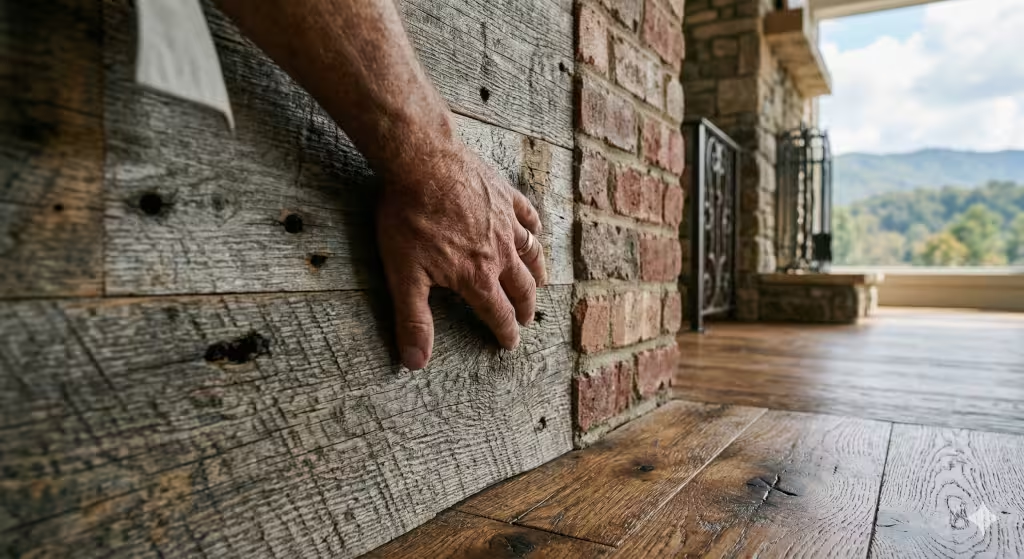
The materials we use in a biophilic bedroom matter just as much as the plants. We love using local, reclaimed wood from the Tri-Cities area. Using an old barn wood headboard in a biophilic bedroom adds a sense of history and warmth. Wood has a special texture that feels good to the touch. An alternative for zero waste is cold form steel.
In engineering, we call this tactile grounding. When you touch a cold, plastic surface, it does not feel the same as touching a warm, wooden desk. A biophilic bedroom should be full of these natural textures. Think about a wool rug or cotton sheets. These materials help you feel connected to the earth. A biophilic bedroom with these elements feels more solid and real. It helps quiet the noise of the modern world. Using stone or clay in a biophilic bedroom can also add to this feeling of being grounded and safe.
The Appalachian Color Palette
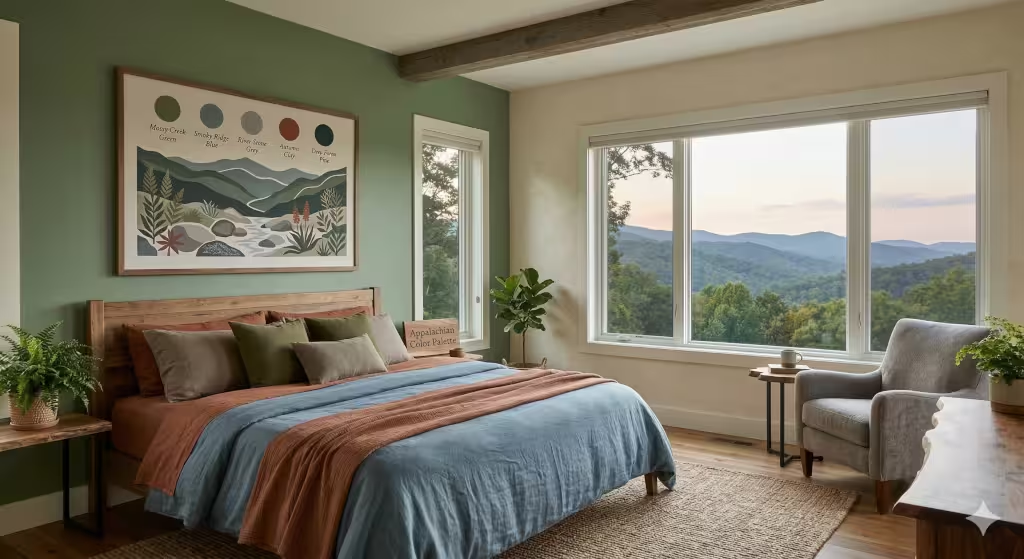
When choosing colors for a biophilic bedroom, I always look outside. Here in Tennessee, we have the most beautiful blues and greens. A biophilic bedroom should use these “nature colors” to create a calm mood. Instead of bright, harsh whites, think about soft moss greens or sky blues.
A biophilic bedroom with these colors helps your eyes rest. It mimics the patterns we see in the forest. When everything in a bedroom matches the colors of the outdoors, the walls seem to disappear. This makes the room feel bigger and more peaceful. A biophilic bedroom done correctly should feel like a walk in the park. You want colors that make you want to take a deep breath and let go of your worries. This is a key part of making a biophilic bedroom work for you.
Auditory and Olfactory Layers
A biophilic bedroom is not just about what you see. It is also about what you hear and smell. Have you ever noticed how well you sleep when it is raining? That is because the sound of water is a natural “white noise.” In a biophilic bedroom, you can add a small water fountain to get that same effect.
The smell of a biophilic bedroom is also important. We suggest using natural scents like cedar or pine. These smells come from the trees right here in our backyard. In a biophilic bedroom, these scents can help lower your heart rate. It is another way to use the science of nature to help you rest. A bedroom that smells like a fresh forest is much more inviting than one that smells like chemicals. These small details are what make a bedroom truly special.
Frequently Asked Questions about Biophilic Bedrooms
There are a lot questions about how to build a biophilic bedroom. People often wonder if it is expensive. The truth is, a biophilic bedroom can be done on any budget. You can start small with just one plant and some natural light. Another common question is whether a biophilic bedroom is hard to keep clean. Actually, using natural materials like wood and stone can make a biophilic bedroom easier to maintain.
People also ask what the best plants are for a biophilic bedroom if they have pets. You always want to check if a plant is safe for your furry friends before putting it in your biophilic bedroom. Many people wonder if a biophilic bedroom works in a small apartment. Yes, it does! Even a small space can become a biophilic bedroom with the right colors and a few natural touches. The goal of a biophilic bedroom is simply to bring a bit of the outside in, no matter how much space you have.
Implementation: From Blueprint to Bedtime
If you are building a new home, we can plan your biophilic bedroom from the very start. We can choose the best spot for the windows and pick out the perfect local wood for the floors. A biophilic bedroom is a great investment in your health. But even if you are not building a new house, you can still create a biophilic bedroom.
Start by looking at your current room. Can you let in more light? Can you add a plant or change your bedding to natural cotton? Every small change brings you closer to a true biophilic bedroom. As a builder, I love seeing how these changes transform a house into a home. A biophilic bedroom is a gift you give to yourself every single night. It is about being precise with your choices and having the integrity to put your health first.
Conclusion: Your Home as a Healing Tool
Building a biophilic bedroom is about more than just a trend. It is about understanding that we are part of nature. When we bring nature into our homes, we feel more whole. A biophilic bedroom is a tool that helps you heal from the stress of the day. It is a place where engineering meets the soul.
We hope this guide has helped you see the value of a biophilic bedroom. Whether you live in a big house in Johnson City or a cozy home in Kingsport, you deserve a place of rest. A biophilic bedroom can give you that. It is a simple, effective way to improve your life. If you have more questions about how to start your own biophilic bedroom, I am always here to help. Building homes with heart is what I do best.
A List of Suppliers for Your Biophilic Bedroom
When you are building or updating a biophilic bedroom, the quality of the wood is everything. You want materials that have a story and a natural texture that helps you feel grounded.
Below are some of the best places in our area to find the wood and materials you need for your biophilic bedroom project.
Local Wood Shops for Your Biophilic Bedroom
Lumber and Craft (Johnson City, TN)
This is a fantastic spot if you are looking for high-quality, kiln-dried hardwoods. They offer a great selection of local and exotic woods. What I love about them is their precision. They have a shop where they can do custom milling for you. If you find a beautiful piece of walnut but need it smoothed out for a headboard in your biophilic bedroom, they can handle the surfacing and ripping. It is a very friendly place for both experts and beginners.
Vintage Timbers (Greeneville, TN)
If you want the “real deal” when it comes to reclaimed barn wood, this is where you go. They specialize in old-growth timbers, flooring, and wallboards. Using reclaimed wood in a biophilic bedroom adds a layer of history that new wood just cannot match. They take great care to preserve the original saw marks and patina, which is perfect for creating that honest, natural texture we talked about.
The Salvage Warehouse / Heritage Alliance (Jonesborough, TN)
This is a hidden gem for anyone who loves historical integrity. They often have salvaged mantles, old-growth lumber, and even antique windows. Since a biophilic bedroom is all about connecting with the environment, using materials salvaged from local East Tennessee buildings is a beautiful way to stay local. They operate by appointment in the winter, so give them a call first.
Old Farm Reclaimed Lumber Works (Johnson City, TN)
Now, if you are not looking to do the heavy sawing yourself, this is your best bet. They do not sell raw lumber; instead, they create finished, handcrafted pieces. They make stunning floating shelves, cutting boards, and custom furniture using reclaimed wood. A set of their handcrafted shelves would be a perfect addition to a biophilic bedroom to hold your indoor plants.
Shoun Lumber (Butler, TN)
Located in the mountains of Johnson County, this is a family-owned sawmill that has been around since 1908. They are experts in Eastern White Pine. If you are building a biophilic bedroom with a more rustic or “log home” feel, their custom millwork and cabinetry are top-notch. They have the engineering capacity to cut very long timbers if you are looking for exposed ceiling beams to give your room that forest-canopy feeling.
Berry Home Centers (Chilhowie and Abingdon, VA)
While technically just across the line in Virginia, they serve the whole Tri-Cities area. They are a great middle-ground between a big-box store and a local boutique. They keep their lumber under cover and protected, which ensures the integrity of the wood. They are a reliable source for your “base” materials like studs and pine boards when you are starting the bones of your biophilic bedroom.
Selecting the right wood is the first step in making your room feel like a true sanctuary. These local craftsmen and suppliers have the expertise to help you find exactly what you need.