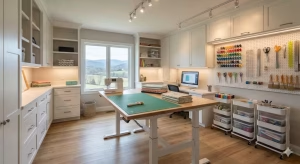
Selecting the right floor for a fiber arts studio is more than just a decor choice. It is a critical decision that affects how much you enjoy your craft. Many people overlook the foundation of their creative space. Most homeowners focus on the lighting or the storage shelves. However, when you are working with miles of delicate thread, the surface beneath your feet matters just as much as the tools in your hands. A single splinter in a wooden plank or a rough spot on a tile can snag a project you have worked on for weeks. This is why choosing low-snag flooring for knitting is the most important step in setting up a functional yarn room.
The splinter factor is a real problem in older homes or even new ones with certain styles of wood. If you use a hand-scraped or wire-brushed floor, those tiny wood fibers can stand up and grab onto your yarn. Lace weight mohair or fine silk yarns are especially prone to this. Some things to look at include the friction and surface tension of materials. A low-snag flooring for knitting needs to be perfectly smooth so that if you drop your project, it can slide across the floor without a single thread being pulled out of place. This protects the integrity of your stitches and keeps your yarn from pilling or fraying before the garment is even finished.
Living in the Tri-Cities area, we also have to think about our local climate. Between Kingsport and Johnson City, we experience humidity shifts that can make wood floors expand and contract. This movement can create tiny gaps between boards. Those gaps are the perfect place for yarn to get stuck. When I talk about low-snag flooring for knitting, I am talking about a surface that stays stable even when the East Tennessee weather changes. By picking the right material, you create a snag-free zone where your only focus is your next row of stitches.
The Gold Standard: Luxury Vinyl Plank (LVP) and Tile (LVT)
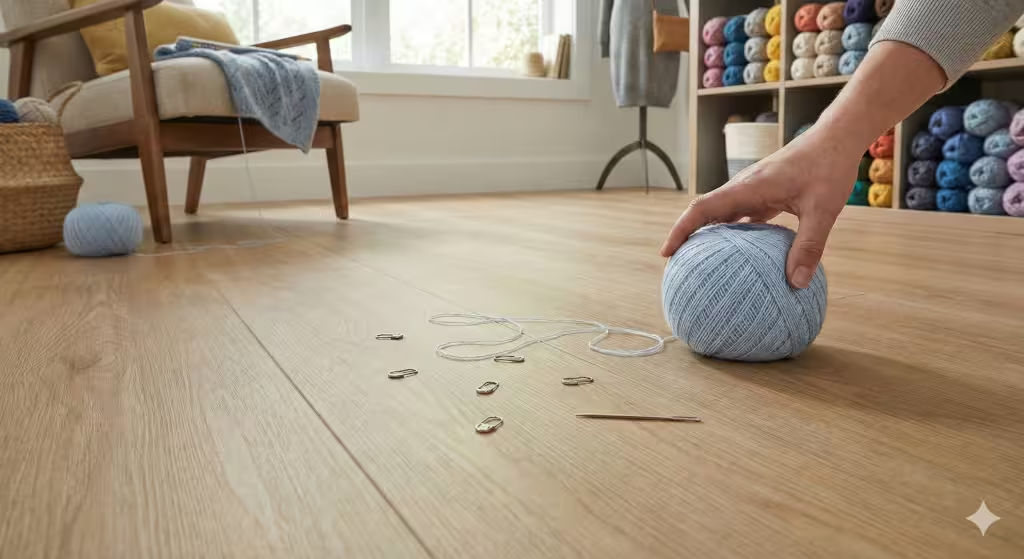
When buyers ask a builder for their top pick for a craft room, they almost always point them toward luxury vinyl. It is the gold standard for a reason. Modern luxury vinyl plank is incredibly smooth. Unlike real wood, it does not have natural knots or rough spots that can catch your fibers. This makes it an ideal low-snag flooring for knitting because it provides a seamless experience from wall to wall. You can move your chair, drop your yarn bowl, or let your project rest on the floor without any worry.
The secret to why this is the best low-snag flooring for knitting lies in the wear layer. In the flooring world, we measure the top coating in “mils.” A higher mil count usually means a thicker and smoother protective layer. For a knitting studio, you want a wear layer that feels like glass. This prevents micro-snags that might happen on cheaper, textured materials. Because the surface is so flat, you can also find your dropped tools instantly. If you lose a tiny stitch marker or a darning needle, they will not disappear into a crack. They will just sit right there on the surface waiting for you to pick them up.
Maintenance is another big win for this type of low-snag flooring for knitting. In my years as a general manager for a regional builder, I saw how much people appreciate floors they do not have to baby. You can sweep up yarn “dust” or tiny clippings in seconds. If you spill your tea while you are following a difficult pattern, the water-resistant nature of vinyl means you just wipe it up. There is no warping or swelling that would ruin the smooth finish. This reliability is why we recommend it here in Johnson City every time.
The Comfort Play: Cork and Polished Linoleum
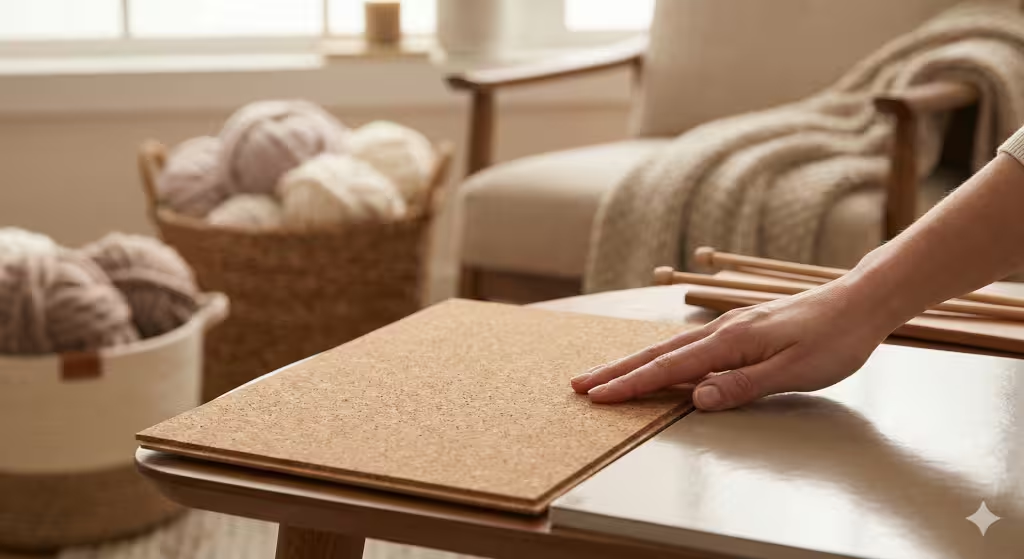
While vinyl is great for smoothness, some knitters spend a lot of time on their feet. Maybe you have a large blocking table or you like to stand while you steam your finished pieces. If that is the case, you might want something with a bit more “give.” Cork is a fantastic option for low-snag flooring for knitting. It has a natural cellular structure that acts like millions of tiny air cushions. This makes it much easier on your back and knees during long hours of work.
Some people worry that cork might be too rough, but modern finished cork is very smooth. When it is sealed correctly, it serves as a wonderful low-snag flooring for knitting. It does not have the jagged edges that you find in some laminate or hardwoods. Plus, cork is naturally warm. If you are knitting in the middle of a Tennessee winter, you will appreciate how much heat the floor holds. It creates a cozy environment that makes you want to stay in your studio all day long.
Polished linoleum is another professional-grade choice. It is not the same as the cheap vinyl from the 1970s. Real linoleum is made from natural materials like linseed oil and cork dust. It is extremely durable and has a very sleek surface. This sleekness makes it an excellent low-snag flooring for knitting. Because it is often installed in large sheets or click-lock planks with very tight seams, there are almost no places for a crochet hook or a knitting needle to get caught. It is a resilient floor that can last for decades if you take care of it.
The “No-Go” Zones: What to Avoid
As a builder, I also have to be direct about what does not work. Many people think carpet is a good idea because it is soft. However, for a fiber artist, carpet is usually a mistake. High-pile carpet is the opposite of low-snag flooring for knitting. The long loops of the carpet can snag your yarn, and the fibers can trap dust and hair that will then get woven into your project. If you drop a needle in a shag rug, it is basically gone forever. You do not want a floor that eats your tools and ruins your yarn.
Another thing to stay away from is distressed or “hand-scraped” hardwood. While this look is very popular in Tri-Cities homes right now, it is not low-snag flooring for knitting. The texture that makes it look rustic is full of tiny ridges and valleys. If you are working with a delicate mohair, those ridges will act like a serrated knife. They will pull and tug at your work. Even if you love the look of wood, you must choose a grade that is “select” or “clear” to ensure it is smooth enough to be considered low-snag flooring for knitting.
Finally, avoid unsealed concrete. Some people like the industrial look for their basement studios. But raw concrete is abrasive. It is like sandpaper for your yarn. Even if it looks clean, the microscopic grit will wear down your fibers as you work. If you have a concrete floor, you must apply a high-quality epoxy or sealer to turn it into a low-snag flooring for knitting. A smooth, sealed surface is the only way to protect your materials from the harsh texture of stone and cement.
Frequently Asked Questions about Flooring for Knitting
I often get asked if laminate is a good choice for a craft room. The answer is usually yes, but with a warning. You need to look at the AC rating of the laminate. You want a high-quality, smooth finish. If the laminate has deep grain textures, it won’t be the best low-snag flooring for knitting. Also, ensure the edges are not beveled. Beveled edges create “v-grooves” where yarn can get stuck. A square-edge laminate is much more effective as a low-snag flooring for knitting because it creates a flatter surface.
Another question I hear is how to stop yarn from catching on an existing floor. If you aren’t ready to replace your whole floor, you can use a large, smooth floor mat. However, the goal should always be to have a permanent low-snag flooring for knitting. If you use a rug, make sure it is a very low-pile or flat-weave rug. Anything with “loops” is a hazard. If your current floor has rough spots, you might be able to sand and refinish it with a high-build polyurethane to make it a better low-snag flooring for knitting.
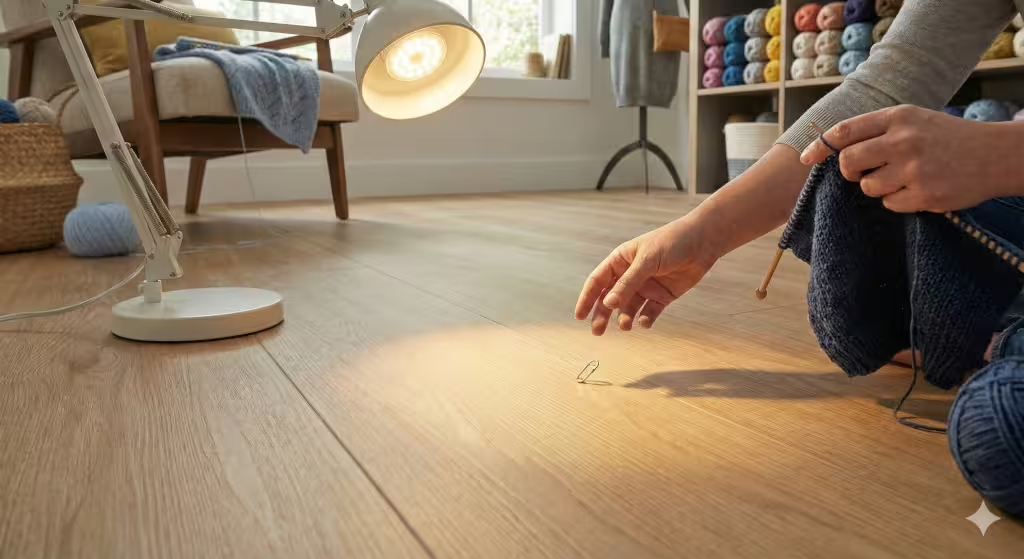
Finding dropped needles is also a big concern. On a low-snag flooring for knitting, this is easy. Because the floor is hard and smooth, you can use the “flashlight trick.” If you lay a flashlight on the floor and shine the beam across the surface, any needle or pin will cast a long shadow. This only works on a flat, low-snag flooring for knitting. If you have carpet or textured wood, the shadow gets lost in the bumps of the floor. This is why precision and smoothness are the two most important values I look for in a studio floor.
Technical Specs: What to Look for in the Showroom
When you go to a flooring store in Kingsport or Johnson City, you need to know the technical terms. First, ask about the “lippage.” This is the height difference between two adjacent planks. In a high-quality low-snag flooring for knitting, the lippage should be almost zero. If one board sits higher than the other, it creates a “snag point.” A professional installer will make sure the subfloor is perfectly level before laying the planks to ensure your low-snag flooring for knitting stays flat.
Static electricity is another technical factor. Synthetic yarns like acrylic can build up a static charge. If your floor generates static, your yarn will stick to the floor and attract every bit of lint in the room. Many high-end vinyl and linoleum products have anti-static properties. This makes them an even better low-snag flooring for knitting. It keeps your workspace cleaner and your yarn moving freely.
Lastly, think about the transitions. These are the strips that go between the craft room and the hallway. If the transition strip is sharp or made of cheap metal, it will catch your yarn. You want a low-profile transition that blends into your low-snag flooring for knitting. This ensures that even if you are moving large projects from room to room, nothing gets caught. A smooth transition is the hallmark of a competent and precise building job. It is these small details that make a floor a true low-snag flooring for knitting.
The Importance of Light Reflectivity
One aspect of low-snag flooring for knitting that people often forget is how the floor interacts with light. In a fiber arts studio, you need to see every detail of your stitches. A floor with high light reflectivity can help brighten the whole room. This is why many knitters choose lighter colors for their low-snag flooring for knitting. A light oak or a pale gray vinyl reflects the overhead light back up at your project. This makes it easier to work with dark yarns like navy or black.
However, you have to balance the color with how easy it is to find things. If your yarn is mostly white, a white floor might make it hard to see a dropped strand. A mid-tone color is often the best choice for low-snag flooring for knitting. It provides enough contrast so you can see your tools, but it is still light enough to keep the room feeling airy. You need to think about the lumens and the way light bounces off surfaces. A matte or satin finish is usually better than a high-gloss finish for low-snag flooring for knitting. High-gloss can create a glare that tires your eyes out after a few hours of work.
Choosing a satin finish also helps hide small scratches. Even the best low-snag flooring for knitting will see some wear over time. If you move your chair back and forth, a high-gloss floor will show every mark. A satin finish on your low-snag flooring for knitting will stay looking new for much longer. This is the kind of practical advice I give to all my clients. We want your home to be beautiful, but it also has to work for your lifestyle. A good low-snag flooring for knitting should be something you don’t have to worry about.
How Humidity Affects Your Choice
In East Tennessee, we have humid summers and dry winters. This cycle is tough on natural materials. If you choose solid hardwood, it will breathe. In the summer, the wood swells. In the winter, it shrinks and leaves gaps. These gaps are a major problem for a knitter. If your yarn falls into a gap, it can get pinched when the wood moves. This is why we often suggest engineered products or vinyl as the best low-snag flooring for knitting for our area. They are more stable and won’t develop those annoying gaps.
If you are set on real wood, you must keep your home at a consistent humidity level. This means using a dehumidifier in the summer and a humidifier in the winter. This protects your low-snag flooring for knitting and keeps it smooth. The floor is part of a larger system. Your HVAC system and your flooring work together. To maintain a perfect low-snag flooring for knitting, you have to control the environment. This prevents the “cupping” or “crowning” of boards that could lead to snags.
For those living in Johnson City, we have a lot of hills and varying soil types. This can lead to minor settling in houses. A floating floor, like a click-lock vinyl, is very forgiving of this settling. It can move slightly without cracking or creating sharp edges. This flexibility helps it remain a high-quality low-snag flooring for knitting even as the house ages. It is a smart, durable choice that stands up to the local conditions while protecting your delicate hobbies.
The Role of the Subfloor
You can buy the most expensive material in the world, but if your subfloor is bad, you won’t have a low-snag flooring for knitting. The subfloor is the wood or concrete underneath the finish floor. If the subfloor is bumpy or uneven, those bumps will telegraph through to the top. This creates high spots that will wear out faster and could cause snags. When I build a custom home, I spend a lot of time making sure the subfloor is flat within one-eighth of an inch. This is the only way to get a truly low-snag flooring for knitting.
If you are renovating an old room in Kingsport to be your studio, you might need to use a self-leveling compound. This is a liquid that you pour on the floor to make it perfectly flat. Once it dries, you have the perfect base for your low-snag flooring for knitting. It removes all the dips and ridges from years of wear. This is a step where professional expertise really pays off. It ensures that your low-snag flooring for knitting looks and feels perfect from the day it is installed.
Don’t forget the underlayment either. This is the thin layer of foam or cork that goes between the subfloor and the planks. A good underlayment provides sound dampening and a bit of cushion. It also helps smooth out tiny imperfections. For a knitter, a quiet room is a peaceful room. A thick underlayment under your low-snag flooring for knitting will keep the room quiet so you can listen to your favorite podcast or audiobook while you work. It is all about creating the right atmosphere for your craft.
Durability and Yarn Weight
Not all yarn is the same, and not all floors need the same level of protection. If you mostly work with chunky wool, you might be able to get away with more texture. But if you are a fan of lace knitting, you need the smoothest low-snag flooring for knitting possible. Lace yarn is so thin that it can get caught on things you can barely see with the naked eye. This is where the quality of the finish becomes vital. A high-quality low-snag flooring for knitting will have a surface that feels almost oily to the touch because it is so smooth.
The weight of your furniture also matters. If you have a heavy yarn cabinet, you don’t want it to dent your floor. Some soft woods like pine will dent easily. Those dents create rough edges that can snag. A harder material like luxury vinyl or high-pressure laminate is a better low-snag flooring for knitting if you have heavy storage. It maintains its flat profile even under pressure. It has to be remembered that a “pretty” floor can become a “problem” floor if it isn’t hard enough for the room’s use.
Think about your chair as well. Most knitters have a favorite chair. If it has wheels, those wheels can grind dirt into the floor over time. That dirt acts like sandpaper. To keep your low-snag flooring for knitting in top shape, use a clear chair mat or soft rubber casters. This prevents the surface from getting roughed up. By protecting the finish, you ensure it stays a low-snag flooring for knitting for many years. It’s a simple step that saves your project and your investment.
Eco-Friendly Options for the Conscious Crafter
Many fiber artists care deeply about the environment. If that sounds like you, you might be looking for a green version of low-snag flooring for knitting. Cork and linoleum are both excellent sustainable choices. Cork is harvested from the bark of trees without killing them. It is a renewable resource that makes a fantastic low-snag flooring for knitting. It is also naturally resistant to mold and mildew, which is great for basement studios in our humid Tennessee climate.
Linoleum is made from linseed oil, which comes from flax plants. It is biodegradable and doesn’t release harmful chemicals into the air. When you are sitting in a small room for hours, air quality matters. A low-VOC (volatile organic compound) low-snag flooring for knitting will keep your lungs as healthy as your yarn. Many modern vinyl products are also now made with recycled materials and have low emissions. Always look for the “FloorScore” certification to make sure your low-snag flooring for knitting is safe for your home.
We need to point out that “natural” doesn’t always mean “smooth.” Some bamboo floors, for example, can splinter if they are not high quality. If you want an eco-friendly low-snag flooring for knitting, stick with strand-woven bamboo or high-grade cork. These are processed to be very stable and smooth. They give you the best of both worlds: a green home and a perfect surface for your knitting. It’s about finding that balance between your values and your needs for a low-snag flooring for knitting.
Cleaning Your Studio Floor
To keep your floor as a true low-snag flooring for knitting, you have to keep it clean. Yarn produces a lot of lint. This lint can build up and hide small objects that might cause a snag. A quick sweep every day is the best way to maintain your low-snag flooring for knitting. Avoid using harsh chemicals that can strip the finish. If the finish gets dull, it can become “grabby” and catch on your yarn. A simple damp mop with a mild cleaner is all most low-snag flooring for knitting needs.
Don’t use wax on your floors unless it’s specifically required for that material. Wax can build up and create a sticky surface. Sticky is the opposite of what you want for a low-snag flooring for knitting. You want your yarn to glide, not stick. If you have a vinyl or laminate low-snag flooring for knitting, a microfiber mop is your best friend. It picks up the tiny fibers without scratching the surface. This keeps the wear layer smooth and ready for your next big project.
If you do notice a scratch or a rough spot, fix it right away. Most low-snag flooring for knitting can be repaired with a touch-up kit. For wood or laminate, there are wax sticks that fill in the scratch and make it smooth again. For vinyl, you can sometimes replace a single plank. Keeping the surface perfect is part of the hobby. Just like you wouldn’t use a rusty needle, you shouldn’t use a damaged low-snag flooring for knitting. A little bit of care goes a long way in the fiber arts world.
The “Pantyhose Test” for Flooring
Before you commit to a full installation, I always recommend the “pantyhose test.” This is the best way to prove that a material is truly low-snag flooring for knitting. Take a sample of the flooring and a pair of old nylon stockings. Rub the stockings across the surface and the edges of the sample. If the nylon catches even once, it is not a good low-snag flooring for knitting. The fine mesh of the stocking is very similar to the fibers in high-quality yarn.
If the stocking glides over the surface without a single pull, you have found a winner. This test is much better than just feeling the floor with your hand. Our fingers can’t always detect the tiny burrs that will catch on a lace-weight yarn. As someone who values precision, I use this test to ensure my clients get the best possible results. It is a simple, low-tech way to verify that your new floor is the perfect low-snag flooring for knitting for your specific needs.
We also suggest testing the seams. If you are using planks, put two of them together and run the stocking over the joint. In a high-quality low-snag flooring for knitting, the joint should be so tight that the stocking doesn’t even notice it’s there. If it catches at the seam, you might need to look for a different brand or a different installation method. Your low-snag flooring for knitting should be a continuous, smooth plane of safety for your craft.
Why Lighting and Flooring Work Together
In my engineering studies, I learned that the color of your floor affects the “color temperature” of your room. If you have a very red wood floor, it will cast a warm glow on everything. This can make it hard to see the true color of your yarn. For a knitting studio, a neutral color for your low-snag flooring for knitting is best. Grays, beiges, or light natural woods won’t interfere with your ability to match yarn colors. This is another reason why a neutral low-snag flooring for knitting is so popular among professional designers.
Good lighting is the partner of a good floor. When you have a smooth low-snag flooring for knitting, you can see every speck of dust. This might sound like more work, but it’s actually a benefit. It means you can keep your environment pristine. In a clean room with a great low-snag flooring for knitting, your yarn stays cleaner. You won’t pick up mystery fuzz from a dirty carpet. You are in total control of your workspace.
As someone who lives in Johnson City, I know we appreciate a home that is both functional and beautiful. A well-chosen low-snag flooring for knitting adds value to your house. Even if you eventually turn the craft room into a bedroom or an office, a high-quality, smooth floor is a selling point. It looks modern and is easy for the next person to maintain. By choosing a great low-snag flooring for knitting today, you are making a smart investment for the future.
Final Thoughts on Creating Your Studio
Building or renovating a space is a journey. It requires patience and a focus on the details. When you choose a low-snag flooring for knitting, you are telling yourself that your hobby is worth the effort. You are creating a sanctuary where you can escape from the stress of the day. A smooth, reliable low-snag flooring for knitting is the foundation of that sanctuary. It allows you to focus on the rhythm of your needles and the beauty of your yarn.
In the Tri-Cities, we have a long history of craft and handiwork. From the early settlers to the modern makers in our local guilds, we understand the value of things made by hand. Your studio is a part of that tradition. By installing a low-snag flooring for knitting, you are giving yourself the best possible tools to succeed. You are avoiding the frustration of snags and the worry of lost needles. You are being precise, competent, and showing integrity in your work.
We hope this guide has helped you understand why the floor is so important. Whether you choose vinyl, cork, or linoleum, make sure it meets the standards of a true low-snag flooring for knitting. Take your time, do the pantyhose test, and don’t settle for “good enough.” Your yarn deserves the best. And once your floor is in, you can sit back, pick up your needles, and enjoy the smooth, worry-free environment of your new studio. A high-quality low-snag flooring for knitting is truly the gift that keeps on giving to every fiber artist.
Remember that a great floor is only as good as the person who puts it in. If you aren’t a DIY expert, hire a professional who understands your needs for a low-snag flooring for knitting. Tell them exactly what you are using the room for. Explain why you need it to be snag-free. A good contractor will listen and help you find the perfect product. They will ensure your low-snag flooring for knitting is installed correctly so it lasts a lifetime.