
The Unseen Foundation of a Well-Functioning Home
Have you ever plugged in a hair dryer in the bathroom while the microwave was running in the kitchen, only to have the lights flicker and the power snap off? That frustrating moment happens when your home electrical circuits get overloaded.
Modern homes use much more power than homes built thirty years ago. We charge electric vehicles, run induction cooktops, power dual ovens, and plug in high-wattage beauty tools. Electricity in a modern house is not just about having enough wall outlets. It is about how power flows through your home electrical circuits behind the drywall.
+-----------------------------------------------------------------------+
|                       MAIN ELECTRICAL PANEL                           |
+-----------------------------------------------------------------------+
        |                                       |
        | (Single Wire / Dedicated)             | (Daisy-Chained / Shared)
        v                                       v
+------------------+                    +---------------+
| High-Power Load  |                    | Outlet 1      |
| (e.g., Oven)     |                    +---------------+
+------------------+                            |
                                                v
                                        +---------------+
                                        | Outlet 2      |
                                        +---------------+
                                                |
                                                v
                                        +---------------+
                                        | Light Fixture |
                                        +---------------+
In this comprehensive guide, we will look closely at dedicated vs. shared electrical circuits. You will learn how these systems work, why the distinction matters for your safety, and how proper design protects your appliances. Whether you are building a new custom home in the Tri-Cities or updating your current house, understanding electrical circuits will give you peace of mind and a better living experience.
What is a Shared Electrical Circuit?
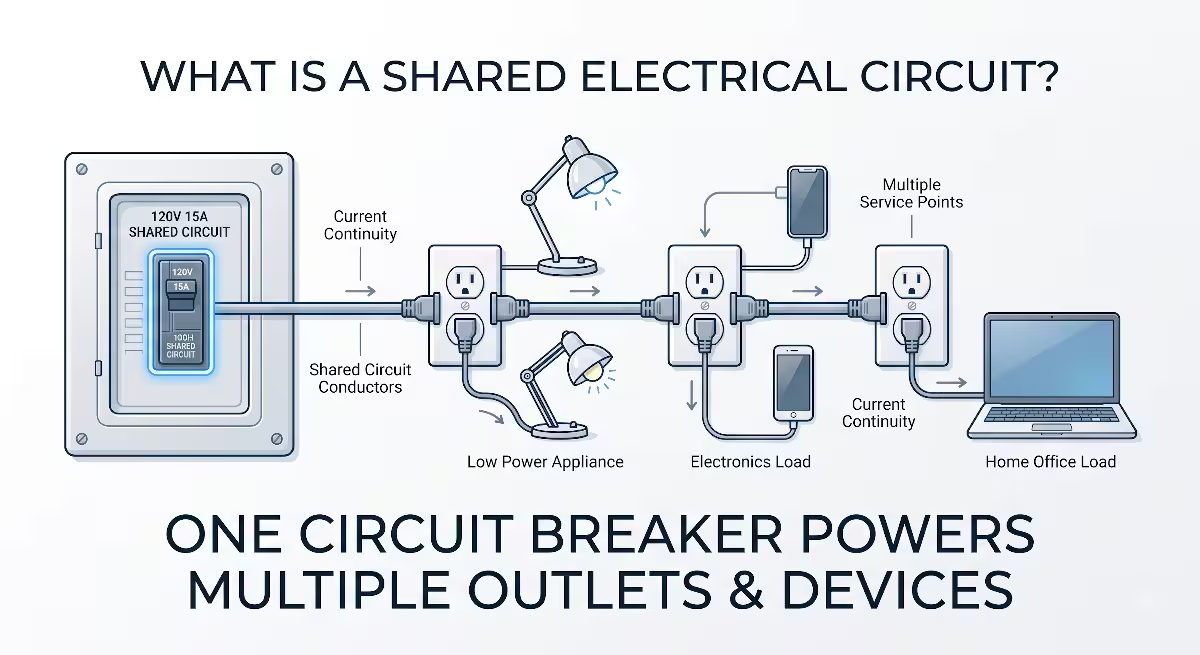
A shared electrical circuit is a system where one circuit breaker inside your main panel supplies power to multiple outlets, light switches, or rooms. Electricians often call this daisy-chaining. A single wire leaves the electrical panel and connects to the first outlet. From that outlet, the wire continues to the second outlet, then to a light switch, and so on.
Shared electrical circuits are standard in general living spaces. They power your living room lamps, bedroom wall outlets, hallway lights, and ceiling fans. These devices use small amounts of electrical current. Because a lamp or phone charger draws very little power, one circuit can easily power many items at the same time.
Most shared electrical circuits are rated for either 15 amps or 20 amps at 120 volts. A 15-amp circuit can safely handle up to 1,800 watts of continuous power. A 20-amp circuit can handle up to 2,400 watts.
However, shared electrical circuits have clear limits. If you plug a 1,500-watt space heater into an outlet on a shared circuit, that heater uses most of the capacity. If someone turns on a vacuum cleaner on the same circuit, the total power demand goes over the limit. The breaker trips to protect the wires from overheating. Shared electrical circuits work great for general lighting, but they are not built for heavy household appliances.
What is a Dedicated Electrical Circuit?

A dedicated electrical circuit is an isolated power line that runs straight from your main electrical panel to one single appliance or outlet. No other lights, switches, or outlets share this wire. The breaker inside the electrical box serves only that single item.
Electricians refer to this as a homerun wire. It creates an uninterrupted pathway for power. Dedicated electrical circuits are designed specifically for high-wattage equipment, heavy electric motors, and devices that produce intense heat.
Dedicated electrical circuits come in different sizes based on what the appliance needs:
- 120-Volt Dedicated Lines: These use standard 15-amp or 20-amp breakers. They power items like refrigerators, microwave ovens, dishwashers, and washing machines.
- 240-Volt Dedicated Lines: These use double-pole breakers rated for 30, 40, 50, or 60 amps. They power heavy equipment like central air conditioners, electric clothes dryers, electric cooking ranges, and electric vehicle chargers.
By isolating heavy appliances on dedicated electrical circuits, you guarantee that sudden power demands will not affect other electronics in your home. It ensures consistent voltage and prevents frequent breaker trips.
Dedicated vs. Shared Electrical Circuits: Side-by-Side Comparison
To help you visualize how these systems compare, let us examine their primary differences side by side. Understanding these factors will help you make smart choices when planning your electrical layout.
| Feature | Dedicated Electrical Circuits | Shared Electrical Circuits |
| Device Allocation | Serves 1 single dedicated appliance | Serves multiple outlets, switches, or light fixtures |
| Power Supply | Direct, uninterrupted power flow | Shared power distributed across multiple devices |
| Overload Risk | Extremely low risk of overloading | Higher risk if multiple high-draw devices run at once |
| Typical Amperage | 20-amp to 60-amp ratings | Standard 15-amp or 20-amp ratings |
| Voltage Supply | Available in 120-volt or 240-volt | Standard 120-volt supply |
| Primary Safety Goal | Protects heavy equipment and high-draw appliances | Provides efficient power to general living areas |
| Installation Cost | Higher initial labor and material costs | Lower cost due to shared wiring pathways |
When designing a home, you need both types of electrical circuits working together. Shared electrical circuits keep your building costs reasonable for general areas. Dedicated electrical circuits protect your major investments and keep heavy equipment running safely.
Which Appliances Require Dedicated Electrical Circuits?
Building codes and electrical safety standards are very clear about which devices need their own lines. The National Electrical Code sets these rules to protect homes from fires and power failures. Let us walk through the major appliances that require dedicated electrical circuits.
National Electrical Code (NEC) Requirements
The National Electrical Code sets safety standards for residential power systems across the United States. Local building inspectors in the Tri-Cities area enforce these codes strictly. The code states that any appliance with a large electric motor, a heavy heating element, or a high power draw must have its own line. Using dedicated electrical circuits satisfies safety inspections and ensures your homeowner insurance remains valid.
Kitchen Heavyweights
The kitchen is the most power-hungry room in any house. Modern kitchen appliances draw massive amounts of energy.
- Electric Ranges and Ovens: These require a dedicated 240-volt line rated for 40 to 50 amps. They pull large amounts of power to heat ovens and stove burners quickly.
- Refrigerators and Freezers: A refrigerator needs a dedicated 15-amp or 20-amp line. While refrigerators do not draw huge wattage constantly, the compressor motor needs a sudden burst of power to start up. A dedicated line prevents nuisance trips that could spoil your food while you are away.
- Microwave Ovens: Built-in microwave ovens require a dedicated 20-amp line. Microwaves convert electricity into heat rapidly, pulling between 1,000 and 1,500 watts instantly.
- Dishwashers and Garbage Disposals: Both items need dedicated electrical circuits. Many homeowners choose separate 15-amp lines for each to ensure the disposal motor does not trip the dishwasher mid-cycle.
Laundry and Utility Room Requirements
Laundry appliances create heavy mechanical loads and significant heat during operation.
- Washing Machines: The National Electrical Code requires a dedicated 20-amp line for laundry room outlets. Washing machine motors draw significant power when spinning heavy, wet clothes.
- Electric Clothes Dryers: An electric dryer requires a dedicated 240-volt, 30-amp line. Heating elements in dryers require substantial power to dry large loads efficiently.
- Sump Pumps and Water Heaters: Electric water heaters need a dedicated 30-amp, 240-volt line. Sump pumps in basements or crawl spaces also require dedicated electrical circuits so they run without failure during severe rainstorms.
HVAC and High-Draw Comfort Systems
Heating and cooling equipment represents the single largest electrical draw in most Tennessee homes.
- Central Air Conditioners and Heat Pumps: These systems require large, dedicated 240-volt electrical circuits ranging from 30 to 60 amps depending on tonnage.
- Electric Space Heaters: While portable heaters plug into wall outlets, built-in wall heaters require dedicated electrical circuits to prevent thermal damage to wall wiring.
Modern Lifestyle Additions
As technology evolves, our power needs continue to grow outside traditional home appliances.
- Electric Vehicle (EV) Chargers: A Level 2 EV charger requires a dedicated 240-volt line rated for 40 to 60 amps. Trying to charge an electric car on shared electrical circuits will take days and risk overloading the branch circuit.
- Hot Tubs, Saunas, and Swimming Pools: Outdoor water equipment uses pumps and heaters simultaneously. They require specialized 240-volt dedicated electrical circuits equipped with ground fault protection for safety around water.
Custom Home Planning: Powering Real Daily Life
When I design homes, I think deeply about how women and families actually use their living spaces every day. A truly luxury home is not just about granite countertops or designer tile. It is about how smoothly your home functions during your busiest morning routine or holiday gathering. Planning your electrical circuits around real daily life prevents daily stress and annoyance.
“A custom home shouldn’t just look beautiful; it must function effortlessly without daily friction or technical compromises.”
The Vanity and Styling Station
Every morning, millions of women stand at bathroom vanities to blow dry, curl, or straighten their hair. High-end hair dryers draw between 1,800 and 2,000 watts of power. Curling irons and flat irons add even more power draw.
If your primary bathroom sits on shared electrical circuits with adjoining bedrooms, turning on a hair dryer while someone turns on a vacuum or TV nearby will snap the circuit breaker.
In custom home design, I always insist on installing a dedicated 20-amp circuit for the primary bathroom vanity area. This simple upgrade lets you power high-wattage beauty tools without dimming bedroom lights or tripping breakers during your morning prep.
       BATHROOM VANITY POWER DESIGN

 [ Main Electrical Panel ]
            |
            v  (Dedicated 20-Amp Line)
   +----------------------------------+
   | Primary Bathroom Vanity Outlets  |
   +----------------------------------+
            |
            +--> Hair Dryer (1,800W)
            |
            +--> Flat Iron / Curling Tool (200W)
            |
            +--> No Dimming or Tripped Breakers!
The Gourmet Kitchen Workflow
The kitchen is the heart of the family home, especially during holiday gatherings and Sunday dinners. Imagine preparing Thanksgiving dinner. Your main oven is roasting a turkey, your secondary wall oven is baking pies, a warming drawer is keeping side dishes hot, and your espresso machine is brewing coffee for guests.
If these appliances share power lines, your holiday dinner can come to a sudden halt. By placing counter appliances, warming drawers, double ovens, and coffee stations on their own dedicated electrical circuits, you create a commercial-grade kitchen workflow. You can host large groups with total confidence.
Craft Rooms, Art Studios, and Hobby Spaces
As someone who loves crafting and art, I know that creative spaces have unique power demands. Modern crafting tools are surprisingly power-intensive. Heat presses for vinyl printing, ceramic kilns, heavy-duty sewing machines, and 3D printers draw substantial current.
Plugging a heat press into a general shared outlet in a spare bedroom can easily trigger an electrical overload. Designing dedicated electrical circuits for craft rooms and hobby spaces ensures your creative pursuits run safely without interrupting power to the rest of the floor.
The Dedicated Home Office and Tech Hub
With more families working from home, dedicated home offices are essential. Remote work setups often feature dual monitors, desktop computers, laser printers, shredders, and network routers.
If your home office sits on shared electrical circuits linked to a hallway or living room, turning on a vacuum cleaner down the hall can cause a temporary voltage dip. That sudden dip can reboot your computer and cause you to lose unsaved work. Placing sensitive office electronics on clean, dedicated electrical circuits protects your hardware and keeps your work day running smoothly.
Safety, Lifespan, and Financial Benefits
Investing in proper electrical circuits is one of the smartest financial decisions you can make when building or remodeling. The benefits go far beyond convenience. They directly impact safety, device lifespan, and property values.
Fire Prevention and Thermal Stress Reduction
Overloaded electrical wiring is a leading cause of residential house fires in the United States. When too much current flows through a wire on shared electrical circuits, the copper wire warms up. Over time, heat degrades the plastic insulation around the wire.
Degraded insulation can lead to electrical arcing, sparks, and dangerous fires hidden inside your walls. Installing dedicated electrical circuits for heavy loads keeps wires cool and reduces thermal stress, keeping your family safe.
OVERLOADED WIRE (High Thermal Stress)
[ Wire ] ---> [ Hot Copper Core ] ---> [ Melting Insulation ] ---> Fire Hazard!

DEDICATED WIRE (Cool & Balanced)
[ Wire ] ---> [ Normal Current Flow ] ---> [ Intact Insulation ] ---> Safe Operation
Protecting Appliance Motors and Electronics
Modern household appliances contain delicate electronic circuit boards and electric motors. When an appliance operates on weak or shared electrical circuits, it can suffer from low voltage, often called a brownout effect.
When voltage drops, electric motors must work much harder to perform the same job. This extra strain causes motors in refrigerators, air conditioners, and washing machines to overheat. Running appliances on undersized circuits shortens their working life significantly. Dedicated electrical circuits deliver stable, steady power that helps expensive appliances last for years.
Eliminating Nuisance Trips
There is nothing more frustrating than coming home from a weekend trip to find your garage freezer has tripped its breaker, spoiling hundreds of dollars worth of food. This common problem occurs when freezers share lines with outdoor outlets or garage lights.
Dedicated electrical circuits eliminate these nuisance trips. When an appliance has its own direct connection to the panel, external electrical noise and accidental overloads will not interrupt its operation.
Signs Your Existing Home Needs Circuit Upgrades
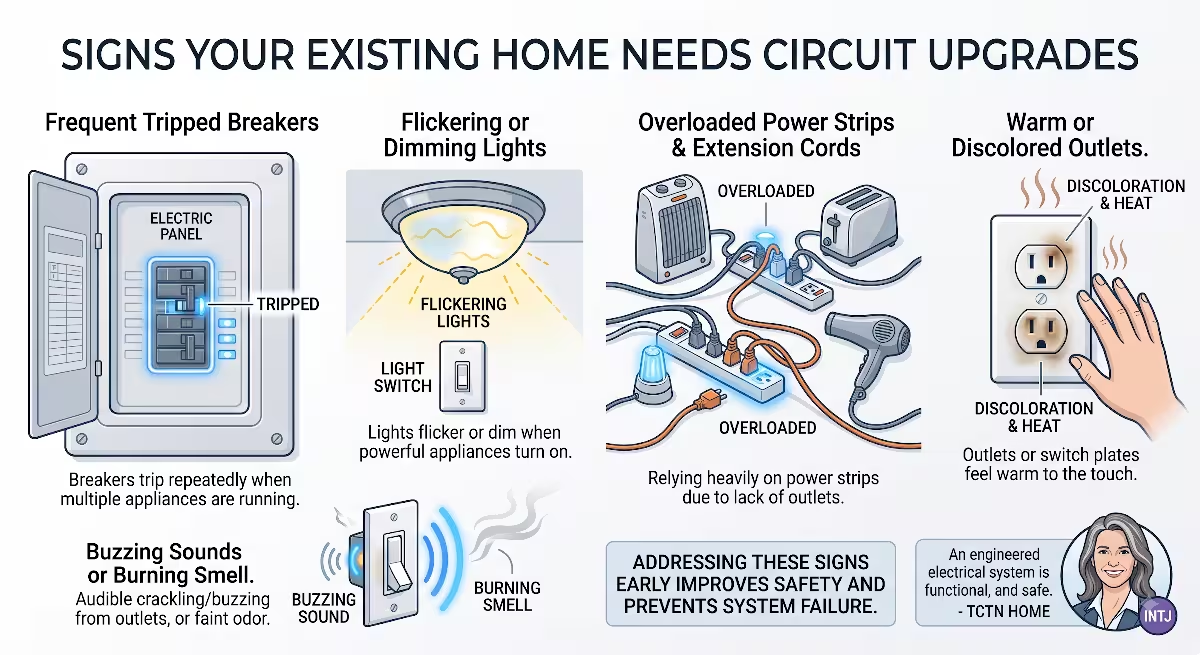
If you live in an older home in the Tri-Cities area, your electrical panel and wiring may be struggling to keep up with modern energy demands. Here are the top warning signs that your house needs upgraded electrical circuits:
- Breakers Trip Repeatedly: If turning on two specific appliances at the same time causes your breaker panel to snap off, those items are overloading a shared line.
- Lights Dim or Flicker: If your hallway or room lights flicker whenever the refrigerator compressor starts up or the air conditioner kicks on, your system is suffering from voltage drops across shared electrical circuits.
- Outlets or Switches Feel Warm: Touch your wall outlets and light switches. If any cover plate feels warm, stop using it immediately. Warm plates indicate dangerous thermal buildup inside the wall box.
- Buzzing Sounds or Burning Smells: Any buzzing sound coming from an outlet or a faint burning smell near your breaker box is an emergency. Contact a licensed electrician right away.
- Heavy Use of Extension Cords: If your home relies on long extension cords or multi-plug power strips to run daily appliances, your space lacks adequate electrical circuits.
Frequently Asked Questions about Electrical Circuits
What is the difference between a dedicated circuit and a shared circuit?
A dedicated circuit is an isolated line running directly from your main electrical panel to a single appliance or outlet. No other lights or devices share that wire. A shared circuit distributes power from one breaker to multiple outlets, switches, or rooms. Dedicated lines prevent power interruptions for heavy devices, while shared lines supply general power for low-draw items like lamps and phone chargers.
What appliances need a dedicated circuit?
Major household appliances require dedicated electrical circuits to operate safely and satisfy electrical codes. Key items include electric ranges, double ovens, refrigerators, microwave ovens, dishwashers, garbage disposals, washing machines, electric clothes dryers, central air conditioners, heat pumps, electric water heaters, sump pumps, and Level 2 electric vehicle chargers.
Can a microwave and a refrigerator share a circuit?
No, a microwave and a refrigerator should not share a circuit. Microwaves draw between 1,000 and 1,500 watts of power instantly when heating food. Refrigerators require dedicated power to handle compressor start-up surges without tripping breakers. Connecting both devices to shared electrical circuits can cause frequent breaker trips, risking food spoilage if the refrigerator loses power without your knowledge.
How do I know if a circuit is dedicated or shared?
You can test your electrical circuits using a simple method. Turn on the appliance in question. Next, go to your main breaker box and switch off the breaker controlling that appliance. Walk through your home and check all nearby wall outlets, light switches, and overhead fixtures. If other lights or outlets lost power, you have shared electrical circuits. If only that single appliance lost power, it is connected to a dedicated line.
Is a dedicated circuit required by the National Electrical Code (NEC)?
Yes, the National Electrical Code requires dedicated electrical circuits for specific heavy-draw appliances. The code mandates individual dedicated lines for equipment like electric ranges, clothes dryers, space heaters, air conditioners, water heaters, and built-in kitchen appliances. These rules prevent electrical fires, protect building wiring, and ensure reliable power delivery throughout residential structures.
Final Thoughts and Tri-Cities Custom Builder Takeaways
Building or remodeling a custom home in the Tri-Cities area is an exciting journey. As an engineer and builder, I always remind homeowners that true quality lies behind the walls. Beautiful cabinets and elegant flooring make a home look nice, but well-planned electrical circuits make a home safe, comfortable, and functional for decades to come.
+-------------------------------------------------------------------+
|               SMART ELECTRICAL PLANNING CHECKLIST                 |
+-------------------------------------------------------------------+
| [ ] Schedule an electrical walk-through during the framing stage. |
| [ ] Map out high-wattage beauty tools in primary bathrooms.       |
| [ ] Identify heavy kitchen appliances and specialty coffee bars.  |
| [ ] Plan dedicated lines for craft rooms, shops, or tech hubs.    |
| [ ] Ensure future capacity for EV chargers or hot tubs.           |
+-------------------------------------------------------------------+
When planning your custom home layout, schedule a thorough electrical walk-through with your contractor and master electrician during the framing stage. Take time to think through your daily family routines. Consider where you will plug in hair dryers, espresso machines, craft tools, and office equipment.
Adding extra dedicated electrical circuits while the wall framing is exposed costs very little in labor and materials. In contrast, trying to add dedicated lines after drywall and paint are finished is far more expensive and invasive.
By investing time in planning your electrical circuits today, you protect your family, preserve your appliance investments, and create a custom home that serves your lifestyle effortlessly. Safe building, and happy home planning!